

The Trial Clock Is Ticking
Free trials are a conversion machine when done right and a churn factory when done wrong. The difference almost always comes down to email. Users who receive a well-structured trial sequence that guides them to value convert at 2-3x the rate of users who get generic drip emails.
The mistake most SaaS companies make is treating the trial sequence like a countdown timer: "Day 3, here is feature X. Day 7, here is feature Y. Day 12, your trial is ending." This ignores the most important variable: what the user has actually done. A user who activated on day 1 needs different emails than a user who has not logged in since signup.
Behavior-Driven Versus Time-Based Sequences
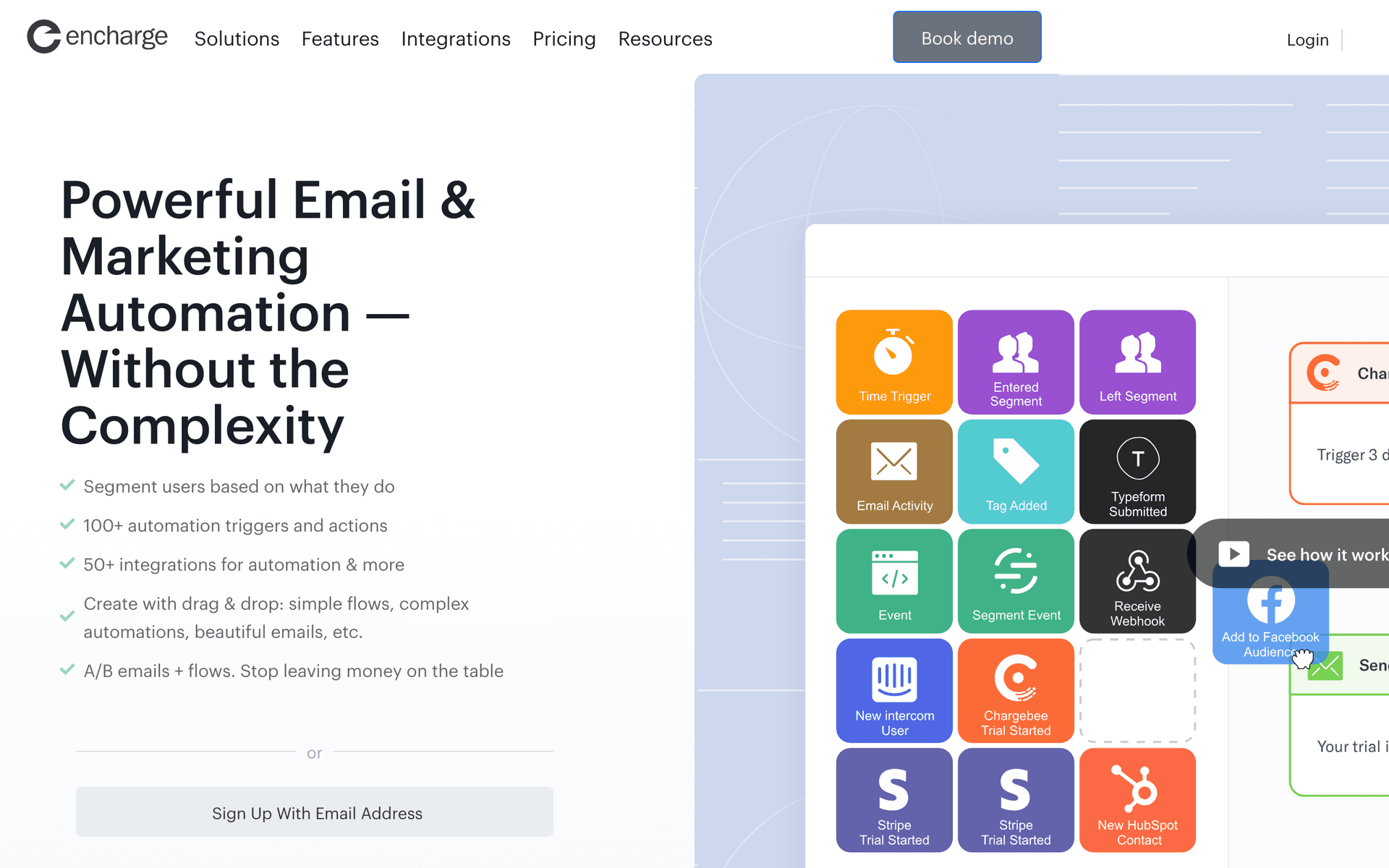
The highest-converting trial sequences branch based on user behavior. When a user completes the key activation step, they exit the onboarding track and enter the feature discovery track. When a user has not logged in for 3 days, they get a re-engagement email instead of a feature highlight. This requires an email tool that supports event-based triggers and conditional branching.
Tools like Sequenzy, Customer.io, and Loops support this approach natively. Simpler tools like Mailchimp or Brevo can only send time-based sequences, which means every user gets the same emails regardless of their engagement.
Activation Before Conversion
The single most important metric for trial email is activation rate, not conversion rate. Activated users convert at 5-10x the rate of unactivated users. Your trial sequence should prioritize getting users to their aha moment above all else.
Finding Your Activation Metric
Figure out what action predicts conversion in your product. For a project management tool, it might be creating the first project. For an analytics tool, it might be generating the first report. For a collaboration tool, it might be inviting the first team member. Look at your data to find which early action most strongly correlates with long-term retention.
Building Emails Around Activation
Everything before activation is an onboarding email. Everything after activation is a conversion email. Do not mix them up. Your pre-activation emails should remove friction, offer help, and make the first step as easy as possible. Your post-activation emails should show value, introduce additional features, and make the upgrade decision feel natural.
The Post-Trial Opportunity
Most SaaS companies give up on trial users the moment the trial expires. This is a mistake. A significant percentage of expired trials convert weeks or months later. They might have been busy, the timing might have been wrong, or they might have been evaluating alternatives.
Keeping Expired Trials Warm
A post-trial sequence that shares product updates every 2-3 weeks keeps you in their inbox. When a competitor disappoints or their need becomes urgent again, you are the first product they think of. The cost of sending a few emails per month is nothing compared to the lifetime value of a recovered trial user.
The Re-Trial Offer
After 30-60 days, offer expired trial users a fresh trial or a trial extension. Many will have a different context - new projects, new team members, or a better understanding of their needs. A second trial with the benefit of their previous experience often converts at a higher rate than the first.
Choosing the Right Tool for Trial Email
The right tool depends on your trial volume, technical resources, and budget. If you process payments through Stripe, Sequenzy's native integration saves significant development time. If you need maximum flexibility and have engineering resources, Customer.io provides the deepest customization. If you want SaaS-native simplicity, Loops offers a clean modern approach.
For early-stage SaaS with limited trial volume, start with a free tier from Sequenzy, Loops, or Brevo. You can always upgrade or migrate as your trial funnel scales and your needs become clearer.
Related pages worth opening before you build the sequence:
- Convert free trials with email for the strategy and timing logic.
- SaaS trial conversion email templates for copy you can adapt.
- Best email tools for trial conversion for the broader tool shortlist.
- Sequenzy vs Customer.io if you are choosing between simple Stripe-connected automation and a more technical workflow engine.
Best Fit by Trial Motion
Best email marketing tool for product-led free trials
Choose Sequenzy, Customer.io, or Loops when trial email needs to react to product events rather than a fixed calendar. The key requirement is branching around activation, invited teammates, usage milestones, and missed setup steps.
Best email marketing tool for sales-assisted SaaS trials
Choose ActiveCampaign, HubSpot, or a CRM-connected setup when the trial is only one part of a sales process. These teams need email engagement, demo requests, lead scoring, and rep follow-up to stay connected.
Best email marketing tool for expired trial recovery
Choose a platform that can keep expired trials warm without treating them like active users. Sequenzy is a strong fit when Stripe billing state, product updates, re-trial offers, and post-expiry nurture should live in the same lifecycle system.
Free Trial Email Benchmarks
Trial email should be judged by activation, upgrade intent, and post-trial recovery. Open rates matter less than whether users reach the value moment before the clock runs out.
| Email type | Healthy open rate | Healthy click rate | Product metric |
|---|---|---|---|
| Trial welcome | 45-70% | 15-35% | First activation step completed |
| Activation nudge | 35-55% | 10-24% | Aha moment reached |
| Usage summary | 40-60% | 8-18% | Upgrade page visit |
| Trial ending reminder | 50-75% | 12-28% | Paid conversion |
| Post-trial recovery | 24-42% | 4-10% | Trial reactivation or upgrade |
Free Trial Email Timing Table
Trial timing should match trial length. Short trials need fewer, sharper emails; longer trials can support more behavior-based branching.
| Trial length | Recommended email cadence | Notes |
|---|---|---|
| 7 days | Day 0, day 2, day 5, day 7 | Focus tightly on one activation path |
| 14 days | Day 0, day 2, day 5, day 10, day 13, day 14 | Balance activation and countdown |
| 30 days | Day 0, day 3, day 7, day 14, day 23, day 29 | Add usage summaries and success examples |
| Usage-limited trial | Trigger by usage milestones | Send when value is experienced, not by calendar only |
| Expired trial | 7, 21, and 45 days after expiry | Share updates, re-trial offers, and relevant improvements |
Free Trial Segmentation Table
Segmenting trial users prevents the classic mistake of sending conversion pressure before activation.
| Segment | Best email focus | Avoid |
|---|---|---|
| Signed up, no setup | One clear first step and support | Upgrade countdowns |
| Activated users | Usage summary, advanced workflow, upgrade path | Basic onboarding they already completed |
| Card-on-file trials | Activation support and value proof | Generic payment pressure |
| Engaged but not converted | Trial extension or objection handling | One-size-fits-all discounts |
| Expired inactive trials | Product updates and fresh-trial offer | Pretending their trial is still urgent |