Updated 2026-01-01

12 Plunk Alternatives for Developers

Plunk is open-source and runs on AWS SES. Here are alternatives if you need more features or different pricing.

TL;DR

Quick answer: Resend for better DX. Loops for SaaS marketing + transactional. Sequenzy for AI + Stripe. Self-host options include Postal and Listmonk. Plunk is still best for developers wanting open-source email with AWS SES.

12 Best Plunk Alternatives

Our Pick for SaaS Companies
#1
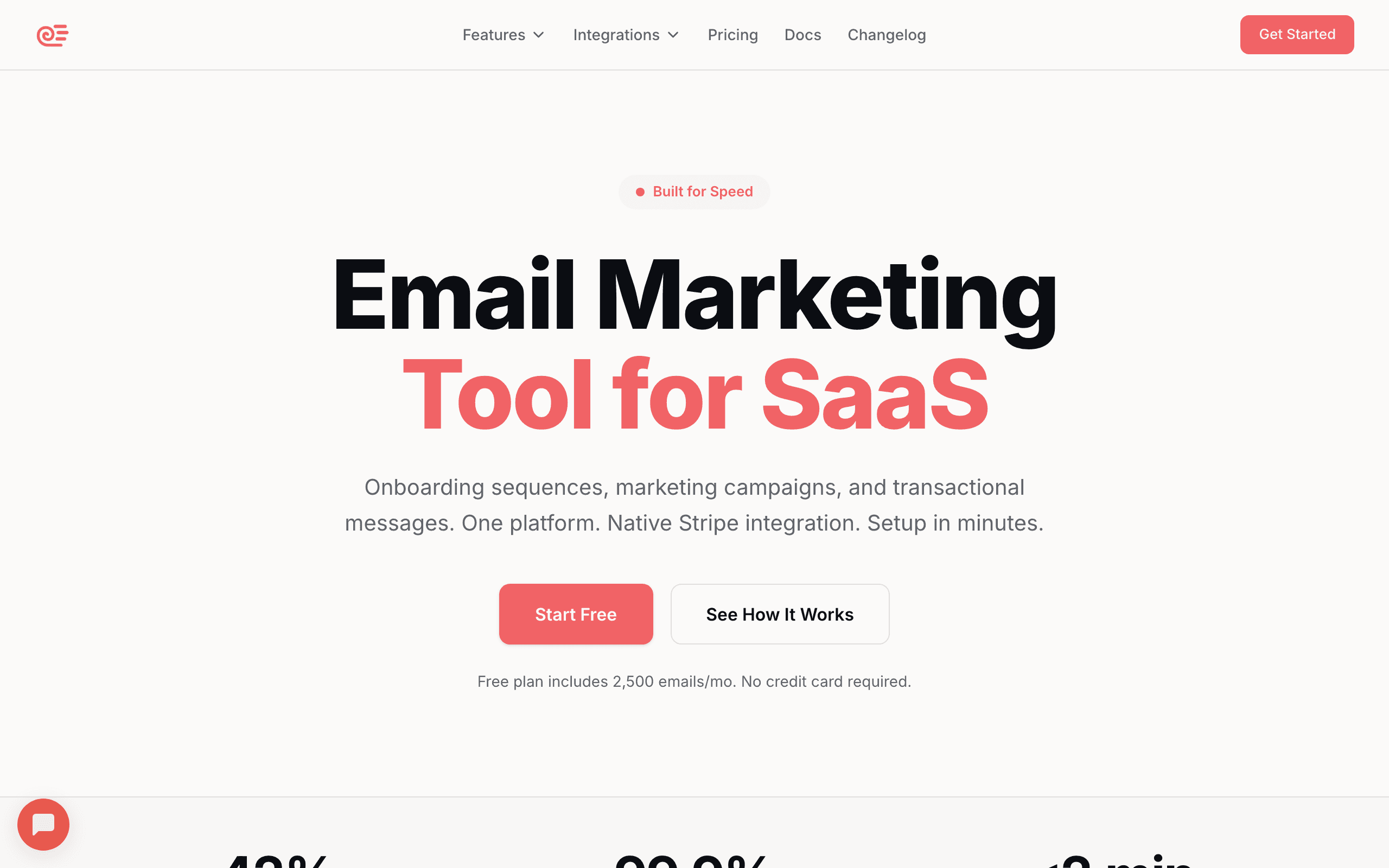
Sequenzy

AI-powered email for SaaS with native Stripe integration. Not open-source but developer-friendly with both transactional and marketing.

Visit
Best for
SaaS teams wanting AI + Stripe
Pricing
$49/month for 10,000 subscribers (120k emails)

Pros

  • AI generates sequences
  • Stripe integration
  • Transactional + marketing
  • Modern interface
  • Good API

Cons

  • Not open-source
  • Hosted only
  • No self-host option
  • Newer platform
#2
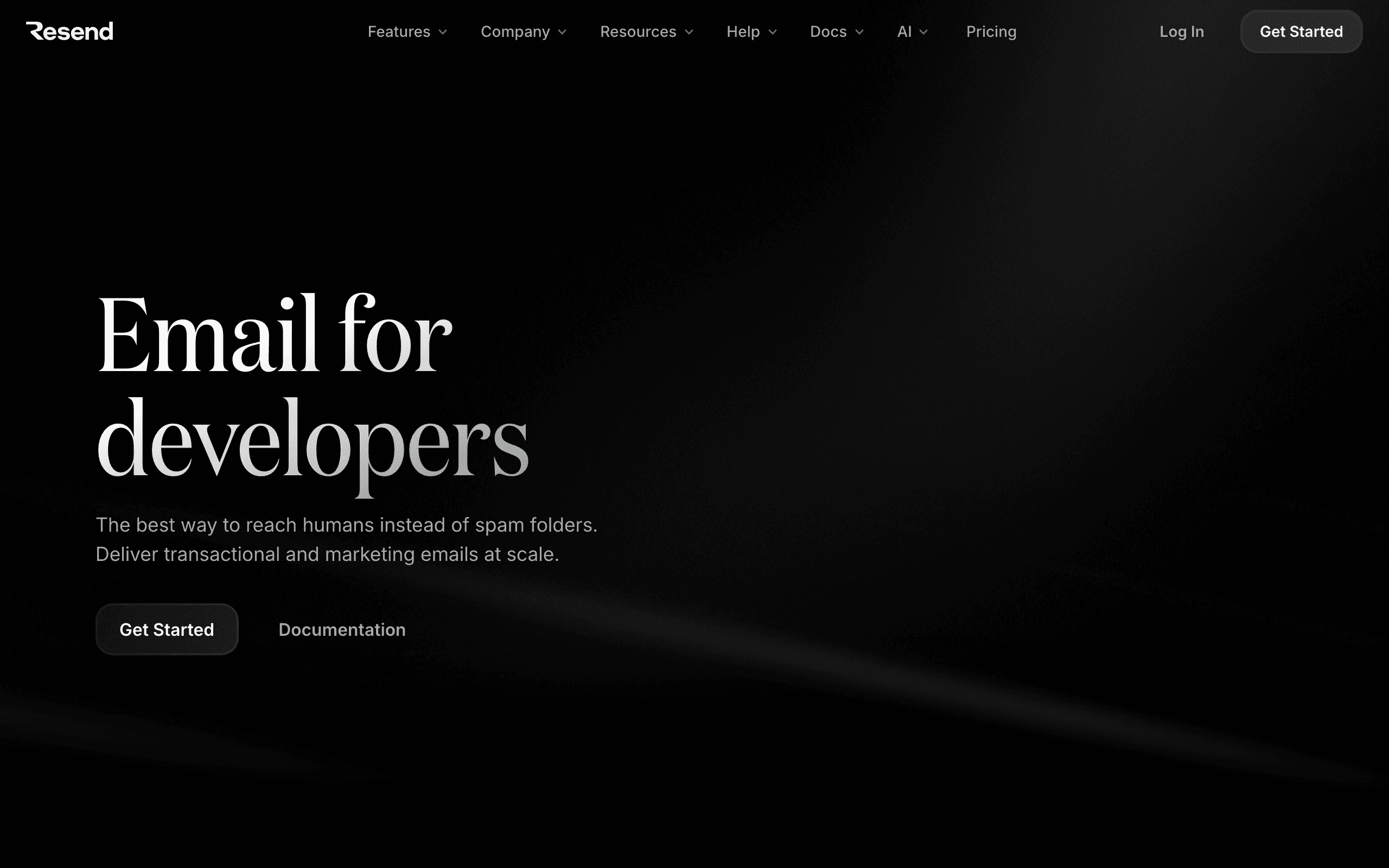
Resend

Best developer experience for transactional email. Not open-source but has React Email templates and modern SDKs. Similar developer focus to Plunk.

Visit
Best for
Developers prioritizing DX
Pricing
$20/month for 50,000 emails

Pros

  • Best developer experience
  • React Email templates
  • Modern SDKs
  • Clean API
  • 3,000 emails/month free

Cons

  • Not open-source
  • Transactional only
  • No marketing features
  • Hosted only
#3
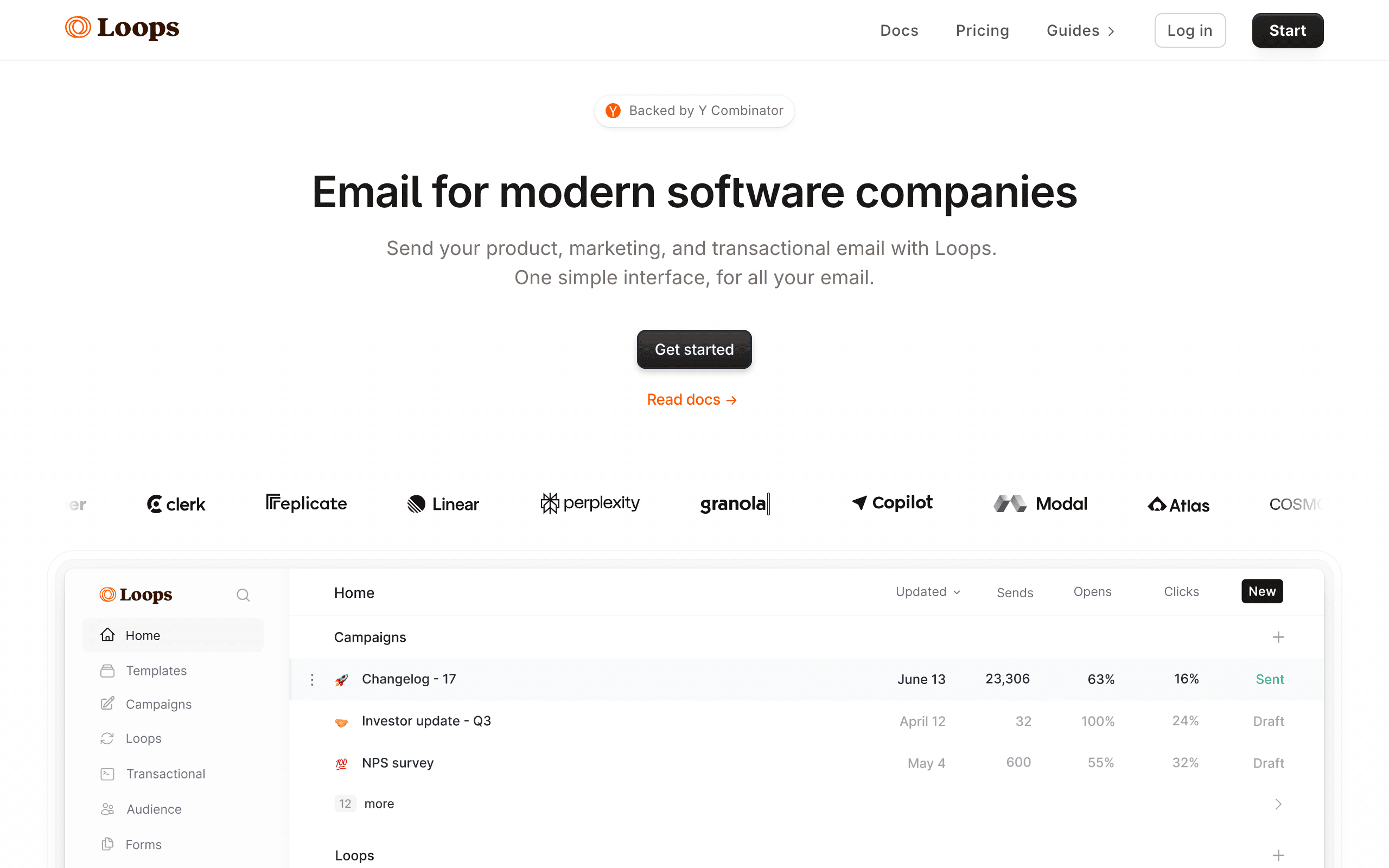
Loops

Modern SaaS email platform. Clean interface, transactional included. Not open-source but developer-friendly and SaaS-focused.

Visit
Best for
SaaS teams wanting simple email
Pricing
$49/mo for 5k, roughly $99/mo for 10k

Pros

  • Clean interface
  • Transactional + marketing
  • Built for SaaS
  • Good deliverability
  • All features included

Cons

  • Not open-source
  • Hosted only
  • More expensive than Plunk
  • No self-host
#4
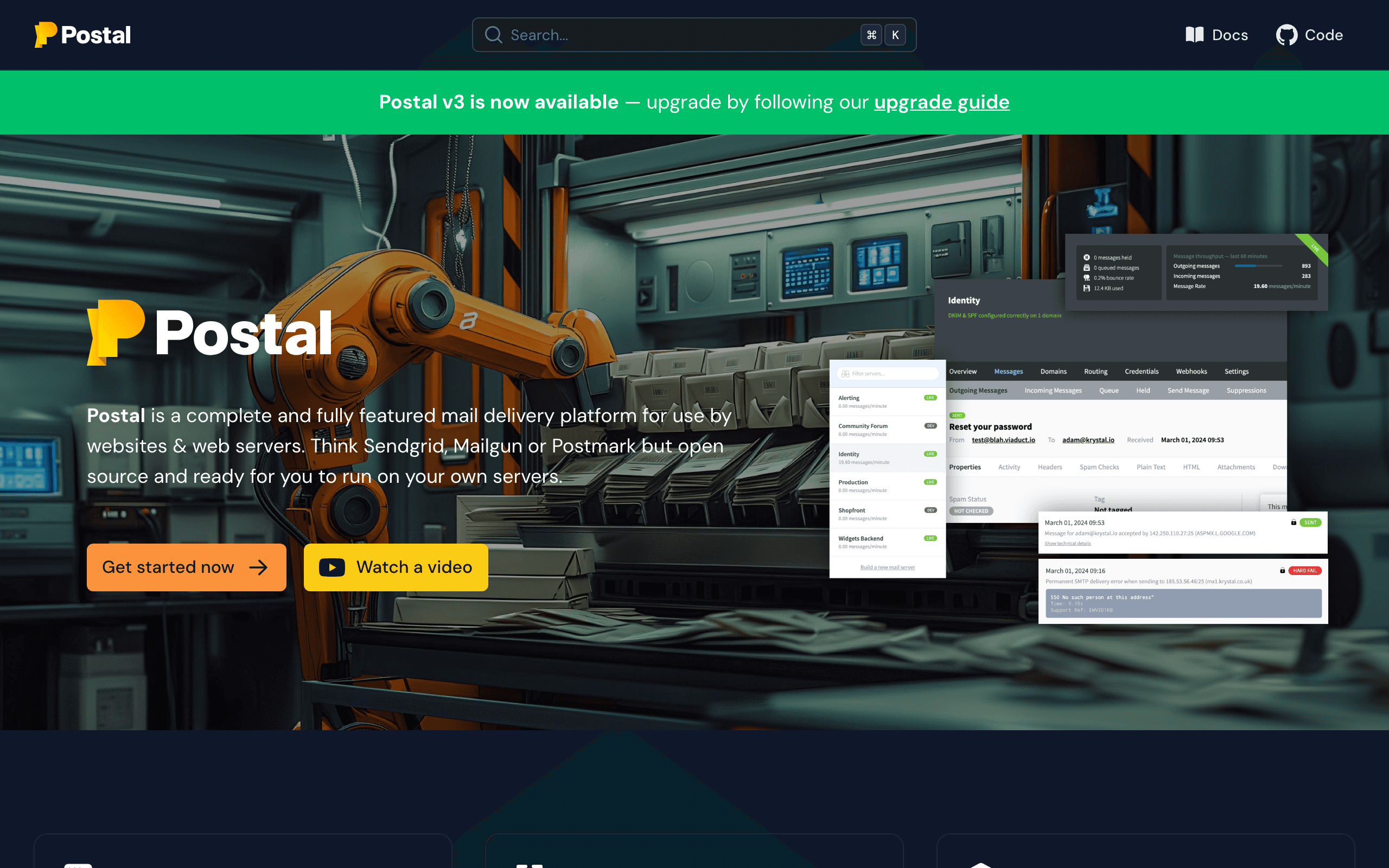
Postal

Open-source mail delivery platform. Self-hosted alternative to Plunk for transactional email. Requires more setup.

Visit
Best for
Teams wanting self-hosted transactional
Pricing
Free (self-hosted)

Pros

  • Open source
  • Self-hosted
  • Full control
  • No per-email costs
  • Enterprise features

Cons

  • Complex setup
  • Requires infrastructure
  • No marketing features
  • Maintenance required
#5
Listmonk

Open-source newsletter and mailing list manager. Self-hosted alternative focused on marketing/newsletters rather than transactional.

Visit
Best for
Self-hosted newsletters
Pricing
Free (self-hosted)

Pros

  • Open source
  • Self-hosted
  • Good for newsletters
  • No per-email costs
  • Active development

Cons

  • Not for transactional
  • Requires infrastructure
  • No AI features
  • Basic compared to commercial
#6
Amazon SES

The infrastructure Plunk runs on. Raw AWS SES is cheaper but requires you to build everything yourself. Plunk is essentially a UI for SES.

Visit
Best for
Teams with engineering resources
Pricing
$0.10 per 1,000 emails

Pros

  • Cheapest at scale
  • AWS reliability
  • Full control
  • Scales infinitely

Cons

  • DIY everything
  • No UI
  • No templates
  • AWS complexity
#7
Postmark

Exceptional deliverability for transactional email. Not open-source but developer-friendly with strict quality policies.

Visit
Best for
Apps needing best deliverability
Pricing
$15/month for 10,000 emails

Pros

  • Exceptional deliverability
  • Strict quality policies
  • Clean API
  • Human support
  • 40-day history

Cons

  • Not open-source
  • Hosted only
  • Transactional focus
  • More expensive than Plunk
#8
SendGrid

The OG email API. Both transactional and marketing. Not open-source but handles scale well.

Visit
Best for
High-volume senders
Pricing
$19.95/mo for 50,000 emails

Pros

  • Handles scale
  • Transactional + marketing
  • Good documentation
  • 100 emails/day free

Cons

  • Not open-source
  • DX dated
  • Deliverability varies
  • Interface clunky
#9
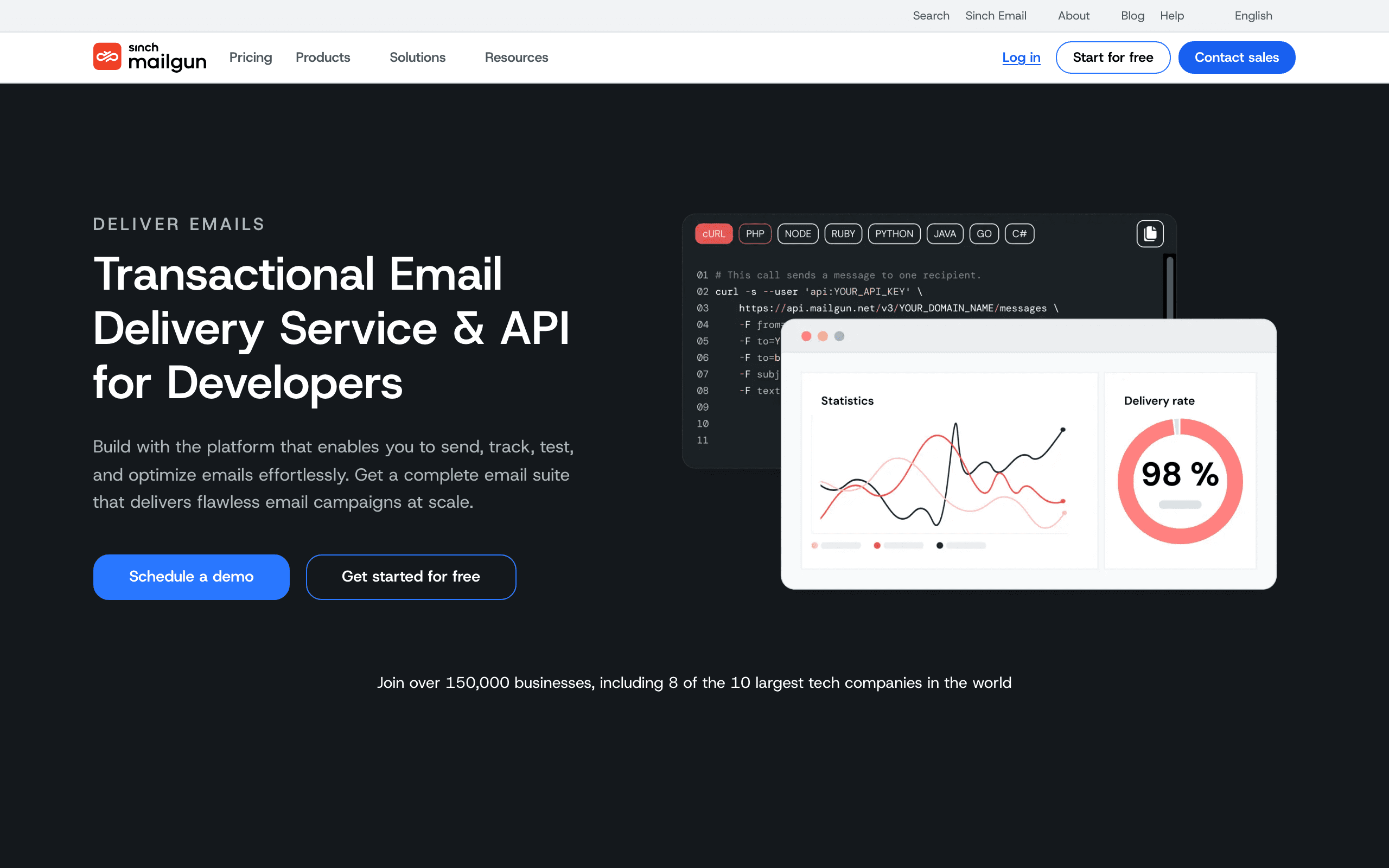
Mailgun

Developer-focused email API with good documentation. Not open-source but developer-friendly with flexible API.

Visit
Best for
Developers wanting reliable email API
Pricing
$15/month for 10,000 emails

Pros

  • Good developer experience
  • Email validation included
  • Flexible API
  • Detailed analytics
  • Basic marketing available

Cons

  • Not open-source
  • Now owned by Sinch
  • Pricing can get complex
  • Hosted only
#10
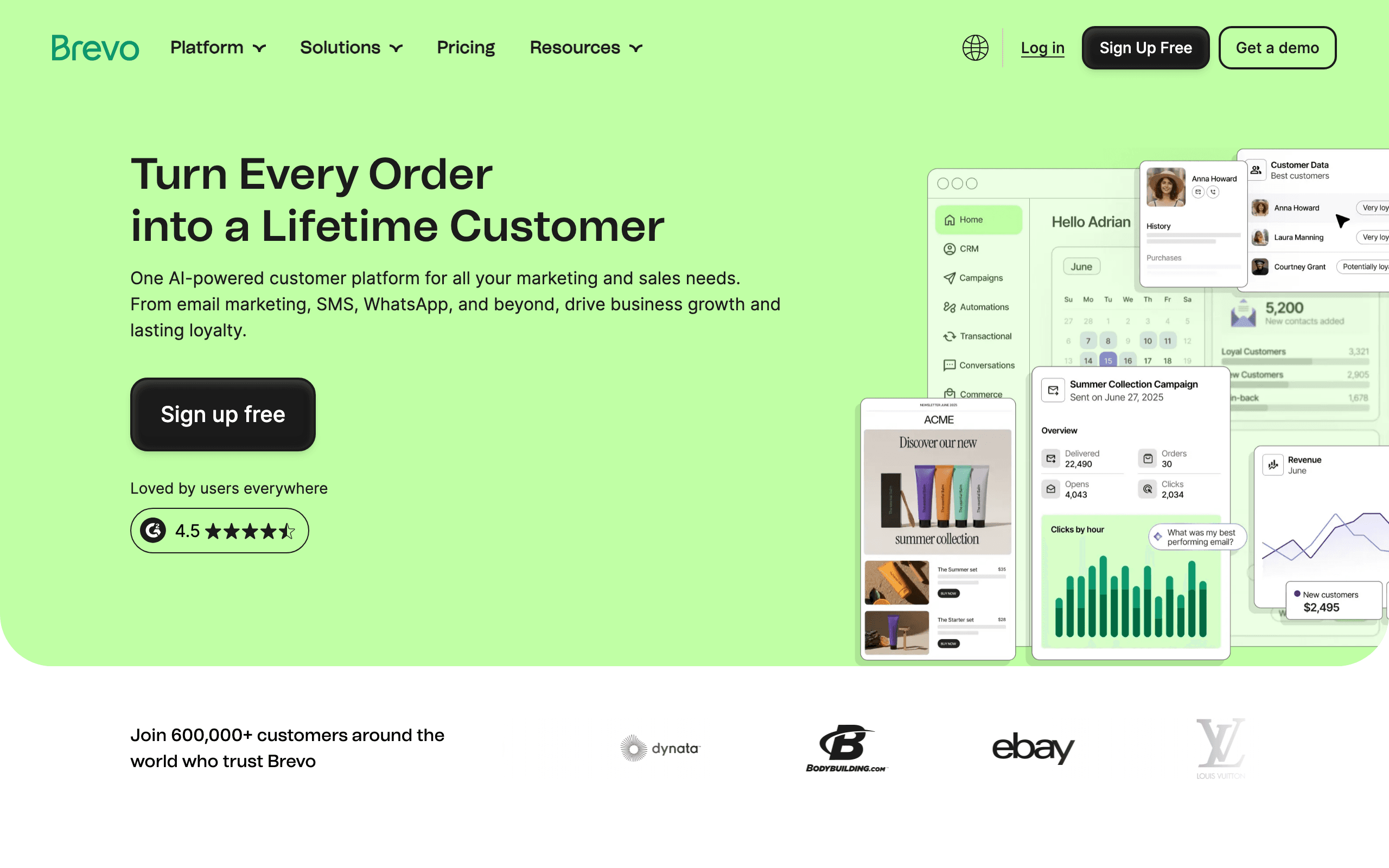
Brevo

Budget-friendly with transactional and marketing. Unlimited contacts, pay per email. Not open-source but affordable.

Visit
Best for
Budget-conscious teams
Pricing
$25/mo for unlimited contacts

Pros

  • Unlimited contacts
  • Transactional + marketing
  • SMS included
  • Affordable
  • SMTP and API

Cons

  • Not open-source
  • Interface dated
  • Pay-per-email adds up
  • Hosted only
#11
Customer.io

Behavioral automation for PLG companies. Not open-source but powerful for product-led growth with transactional included.

Visit
Best for
PLG companies with complex journeys
Pricing
$100/month for 5,000 profiles

Pros

  • Powerful behavioral automation
  • Multi-channel messaging
  • Transactional included
  • Good API
  • Event-based triggers

Cons

  • Not open-source
  • Expensive
  • Complex setup
  • Hosted only
#12
Elastic Email

Budget-friendly email API. Not open-source but very affordable at scale. Both transactional and marketing.

Visit
Best for
Budget-conscious high-volume senders
Pricing
$0.09 per 1,000 emails

Pros

  • Very affordable
  • Transactional + marketing
  • Good API
  • Email validation
  • Scales well

Cons

  • Not open-source
  • DX not modern
  • Interface dated
  • Smaller ecosystem

Why Consider Alternatives to Plunk

You need more mature features

Plunk is relatively new. Commercial platforms like Resend, Postmark, and Loops have more mature feature sets and larger teams behind them.

Self-hosting is complex

Plunk can be self-hosted but requires AWS SES setup. If you want simpler hosting, commercial platforms handle infrastructure for you.

Better developer experience exists

Resend has arguably the best developer experience with React Email templates and modern SDKs. Plunk is good but Resend is excellent.

Marketing features needed

Plunk has campaigns but commercial platforms like Loops and Sequenzy offer more sophisticated marketing automation.

Feature Comparison

FeaturePlunkResendLoopsPostalListmonkAmazon SES
Price per 50k
$50
$20
$99*
Free
Free
$5
Open source
Self-host
Transactional
Marketing
DX quality
Good
Best
Good
OK
OK
None

When to Use Each Platform

Choose Resend if...
  • Developer experience is top priority
  • You love React Email
  • Transactional only is fine
  • Open-source isn't required
Choose Stay with Plunk if...
  • Open-source matters to you
  • You want to self-host
  • AWS SES pricing is attractive
  • You need both transactional and marketing
Choose Loops if...
  • You run a SaaS business
  • Clean interface matters
  • Transactional + marketing needed
  • Hosted is preferred
Choose Postal if...
  • Full self-hosting required
  • Open-source is mandatory
  • Transactional only is fine
  • You have infrastructure team
Choose Sequenzy if...
  • You want AI to write emails
  • Stripe integration matters
  • SaaS-focused features needed
  • Hosted is preferred

Honest take: Is Plunk right for you?

Plunk is a solid open-source email platform built on AWS SES. It offers transactional email, campaigns, workflows, and analytics at $0.001 per email after the free tier. For developers who value open-source, it's an attractive option. Learn about email editor best practices.

But open-source comes with trade-offs. Here's when alternatives make sense:

If you want better DX: Resend

Resend has the best developer experience in email. React Email templates, modern SDKs, clean API. Not open-source, but if DX is your priority, Resend is hard to beat. See our Resend comparison.

If you run a SaaS: Loops or Sequenzy

Loops offers clean SaaS email with transactional included. Sequenzy adds AI content generation and Stripe integration. Both are purpose-built for software companies. Read our guide to email tools for SaaS.

If you must self-host: Postal or Listmonk

Postal is an open-source mail delivery platform for transactional. Listmonk is open-source for newsletters. Both require more infrastructure but give you full control. Check our email deliverability glossary to understand self-hosted infrastructure.

The pricing comparison

For 50,000 emails/month:

  • Plunk: $50 (hosted) or self-host free + SES costs

  • Resend: $20

  • Amazon SES: $5

  • Postal: Free (self-hosted) + infrastructure

  • Listmonk: Free (self-hosted) + infrastructure

  • Loops: roughly $99 (subscriber-based)

See our full pricing comparison page.

When Plunk is still the right choice

Stick with Plunk if:

  • Open-source software matters to you

  • You want the option to self-host

  • AWS SES pricing is attractive

  • You need both transactional and marketing email

Plunk is built by developers for developers. If you value open-source and want a modern email platform, it's worth considering. Use our SPF checker and DMARC checker to ensure proper email infrastructure, and check our deliverability guide for self-hosted setup best practices.

Frequently Asked Questions

Resend has the best developer experience with React Email and modern SDKs. Not open-source but excellent DX. For open-source, Postal for transactional or Listmonk for newsletters.

Yes, Plunk is open-source and available on GitHub. You can self-host it on your own infrastructure with AWS SES.

Plunk is open-source and cheaper. Resend has better developer experience. Plunk has marketing features; Resend is transactional only. Choose Plunk for open-source, Resend for DX.

Yes, Plunk can be self-hosted using Docker. It requires AWS SES for sending. Full documentation is available on their GitHub.

Raw AWS SES at $0.10/1,000 is cheaper but requires you to build everything. Self-hosted Postal or Listmonk are free but need infrastructure.

Yes, Plunk includes campaigns, contacts, and workflows alongside transactional email. It's not just for transactional like Resend.

Plunk is open-source and much cheaper. SendGrid handles more scale and has more features. Choose Plunk for open-source, SendGrid for proven enterprise scale.

Plunk works for SaaS but isn't purpose-built for it. Loops and Sequenzy are more SaaS-focused with features like Stripe integration.

Postal for transactional email, Listmonk for newsletters/marketing. Both are self-hosted. Plunk offers both transactional and marketing in one platform.

Plunk is used in production but is newer than commercial alternatives. For mission-critical email, Postmark or Resend are more proven at scale.

To cancel Plunk Cloud, go to your dashboard Settings > Billing > Cancel Plan. For self-hosted Plunk, there's nothing to cancel—just stop running the instance. Your data on Plunk Cloud is retained for a period after cancellation.

Plunk Cloud pricing starts at around $10/month for basic usage, then $0.001 per email sent. Self-hosted is free—you only pay for AWS SES ($0.10/1,000 emails) and your own infrastructure. All features are included on all plans.

Plunk provides API access for exporting contacts and analytics. Use the API to retrieve subscriber data in JSON format. For self-hosted instances, you have direct database access. Campaign templates need to be copied manually.

Plunk offers a free tier with limited sending on their cloud platform. Self-hosted is completely free—you just pay AWS SES costs. The free tier lets you test all features before committing to paid usage.

Plunk's cloud service handles billing issues on a case-by-case basis. Since it's usage-based pricing, you only pay for what you use. For billing disputes, contact their support via GitHub or email. Self-hosted has no billing to refund.

Ready to try Sequenzy?

Start your free trial today. AI-generated sequences, Stripe integration, and direct founder support included.

Sequenzy vs Plunk: Direct Comparison

See a detailed side-by-side comparison of features, pricing, and when to choose each platform.

Compare →

More Alternatives

Sequenzy - Complete Pricing Guide

Pricing Model

Sequenzy uses subscriber-based pricing. You only pay for subscribers active in sequences (automations). Inactive subscribers are free to store.

All Pricing Tiers

  • 0-100 subscribers: Free (Free annually) - 2k emails/month
  • 101-1,000 subscribers: $19/month ($205/year annually) - 15k emails/month
  • 1,001-5,000 subscribers: $29/month ($313/year annually) - 60k emails/month
  • 5,001-10,000 subscribers: $49/month ($529/year annually) - 120k emails/month
  • 10,001-25,000 subscribers: $99/month ($1069/year annually) - 300k emails/month
  • 25,001-50,000 subscribers: $199/month ($2149/year annually) - 600k emails/month
  • 50,001-100,000 subscribers: $349/month ($3769/year annually) - 1.2M emails/month
  • 100,000+ subscribers: Custom pricing (Custom annually) - Unlimited emails/month

Yearly billing: All plans offer a 10% discount when billed annually.

Free Plan Features (0-100 subscribers)

  • Visual automation builder
  • Transactional email API
  • Reply tracking & team inbox
  • Goal tracking & revenue attribution
  • Dynamic segments
  • Payment integrations
  • Full REST API access
  • Custom sending domain

Paid Plan Features (1,000 - 100,000 subscribers)

  • Visual automation builder
  • Transactional email API
  • Reply tracking & team inbox
  • Goal tracking & revenue attribution
  • Dynamic segments
  • Payment integrations (Stripe, Paddle, Lemon Squeezy)
  • Full REST API access
  • Custom sending domain

Enterprise Plan Features (100,000+ subscribers)

  • Visual automation builder
  • Transactional email API
  • Reply tracking & team inbox
  • Goal tracking & revenue attribution
  • Dynamic segments
  • Payment integrations
  • Full REST API access
  • Custom sending domain

Important Pricing Notes

  • You only pay for subscribers who are active in automations/sequences
  • Storing inactive subscribers is free
  • No hidden fees - all features included in the price
  • No credit card required for free tier

Contact

  • Pricing Page: https://sequenzy.com/pricing
  • Sales: hello@sequenzy.com