








Why people leave SendGrid
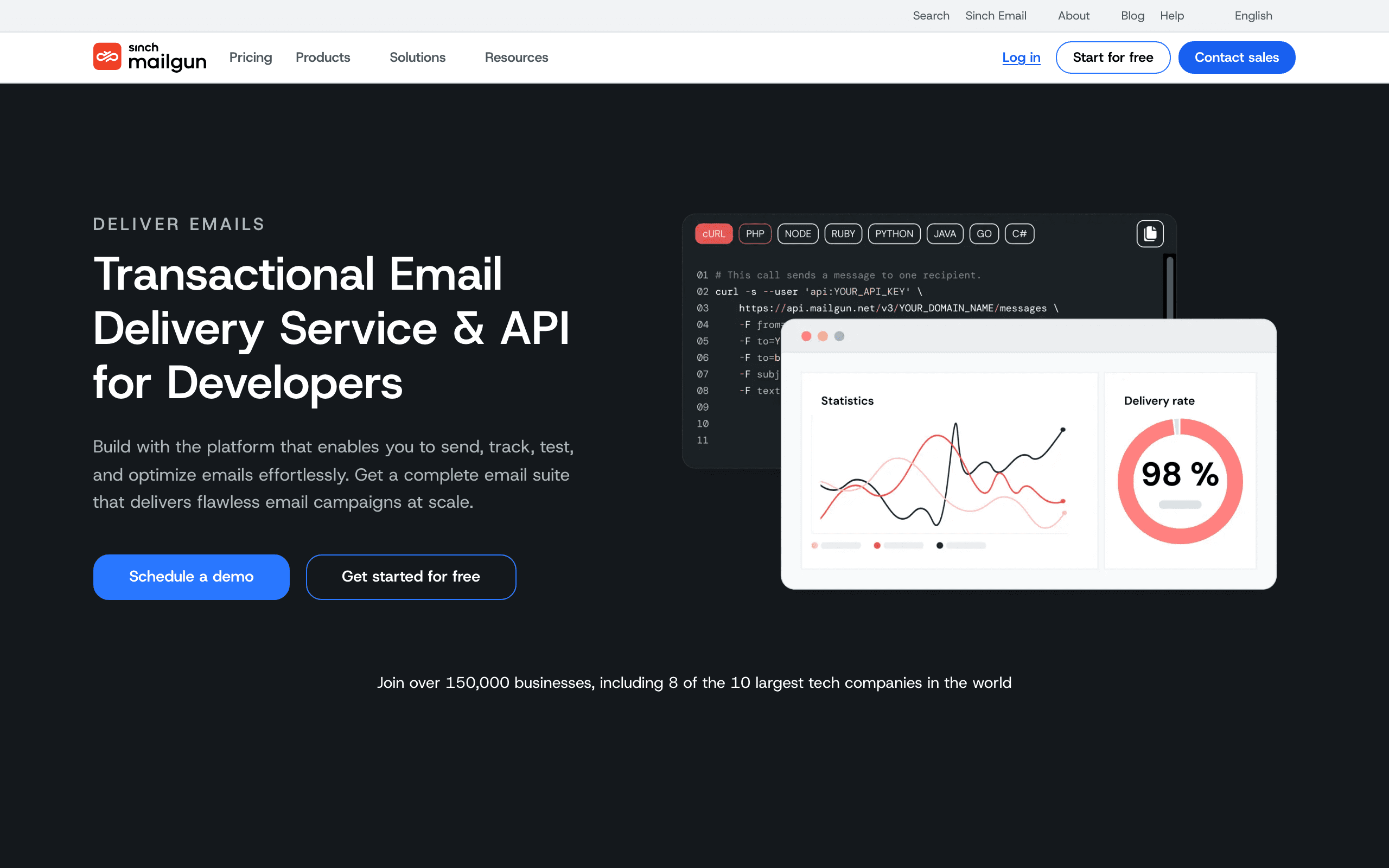
SendGrid has been around forever, and in email years, that's both a blessing and a curse. It scales well and Twilio isn't going anywhere. But the cracks are showing. With 583 Trustpilot reviews painting a bleak picture—nearly all 1-star—the complaints are remarkably consistent: nonexistent customer support with days-long response times, lost account data, punitive overage charges, and unilateral changes to service terms. Multiple reviewers describe it as the worst support experience in decades. To understand modern email platform expectations, read our guide to best email marketing tools for SaaS.
The DX problem
When Resend launched with React Email and a beautiful API, it made SendGrid's developer experience feel ancient. If you've used both, you know the difference. Modern SDKs, cleaner docs, fewer workarounds needed. Check our SendGrid comparison page to see how it stacks up against modern alternatives.
The deliverability lottery
SendGrid lets almost anyone sign up. This means the shared IP pools can have reputation issues from other users. Some months you're fine, other months your emails are hitting spam. Platforms like Postmark that vet customers aggressively, or Mailtrap that runs transactional and bulk email on completely separate IP pools, don't have this problem. Learn more about email deliverability best practices to understand why this matters.
Marketing that feels bolted on
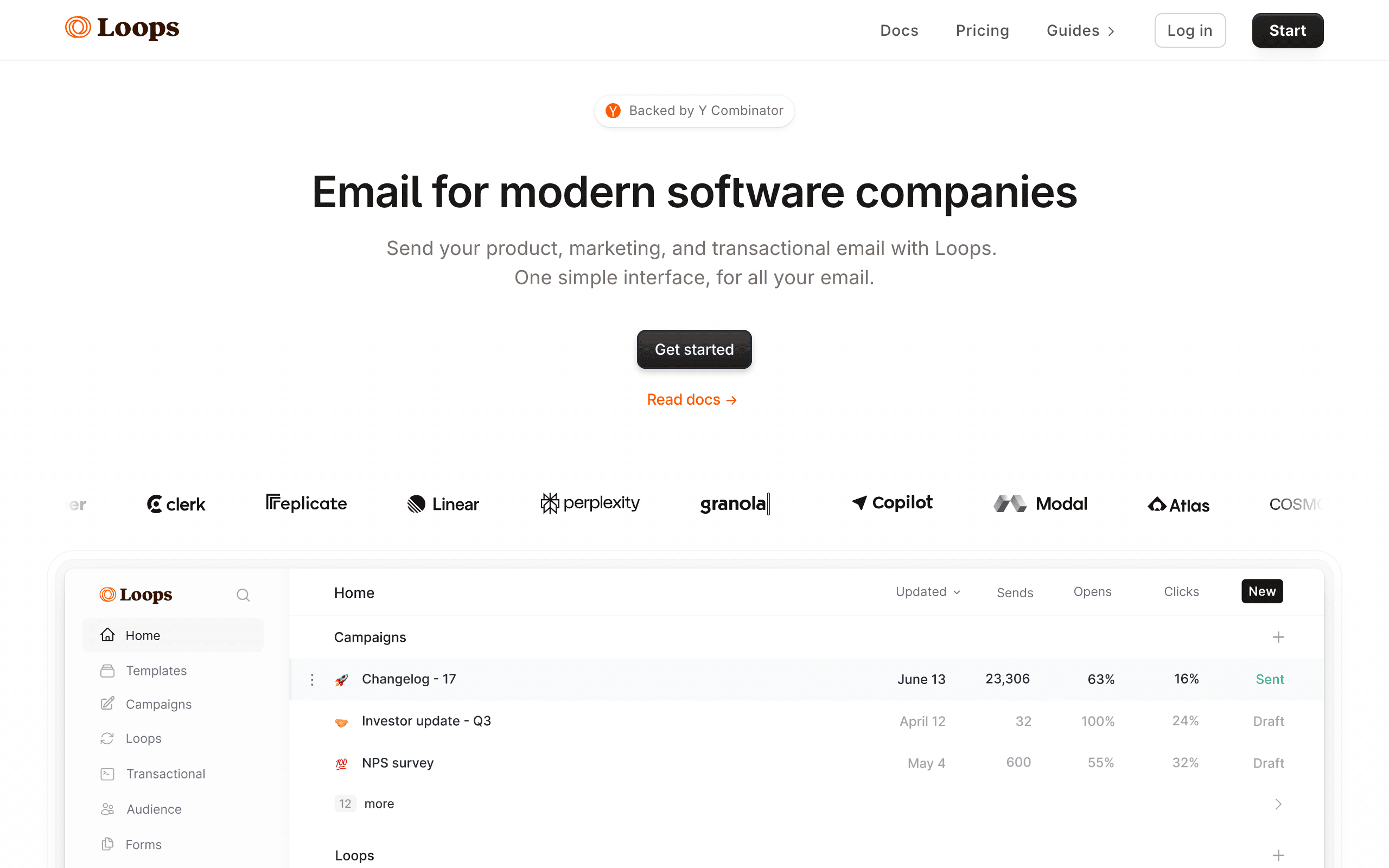
SendGrid's marketing features exist, but they feel like an afterthought. If you need serious marketing automation with AI-generated sequences, purpose-built tools like Sequenzy, Loops, or Customer.io are significantly better experiences.
The alternatives, honestly
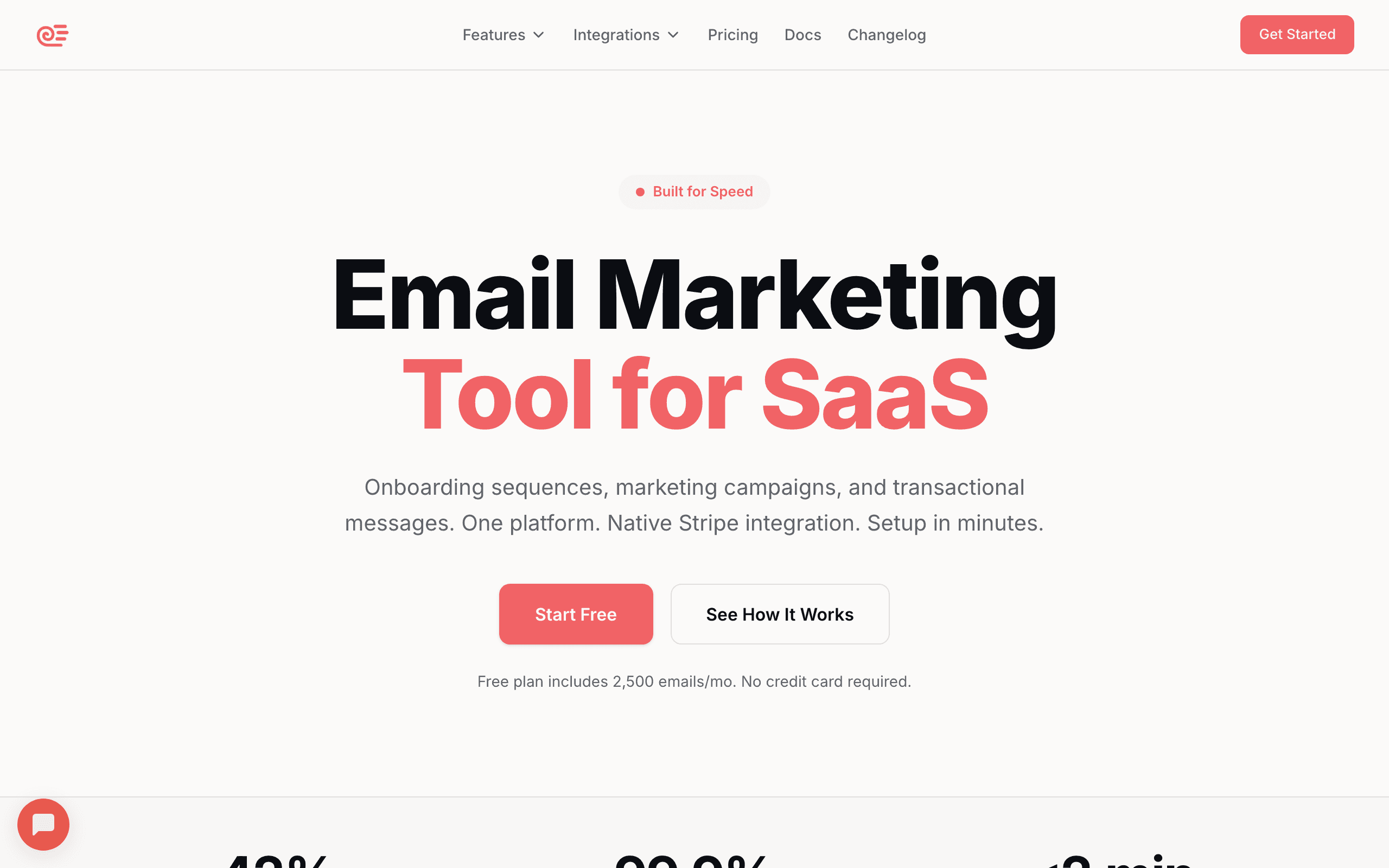
If you want modern DX + marketing: Sequenzy
Sequenzy gives you transactional and marketing in one platform with AI content generation. Describe what you want ("a 5-email onboarding sequence for a project management SaaS") and it writes the emails. Stripe syncs customer data automatically.
It's built for SaaS teams who are tired of SendGrid's dated interface but need more than just transactional. See our SendGrid comparison for detailed feature breakdown.
If you only need transactional: Resend
If SendGrid's DX is your main complaint and you only need transactional email, Resend is the obvious choice. Best developer experience in email, hands down. The catch: zero marketing features. Check our Resend comparison page for more details.
If cost is everything: Amazon SES
At $0.10 per 1,000 emails, nothing beats SES on raw cost. But you get zero help—no templates, no dashboard, no deliverability tools. Only choose this if you have engineering resources to build everything yourself.
If you want multi-channel notifications: Knock or Novu
Both Knock and Novu go beyond email to handle push, SMS, in-app, and chat notifications in a single API. If SendGrid is just one piece of your notification puzzle, these platforms replace multiple services at once. Novu is open-source if that matters to you.
If you're in e-commerce: Klaviyo
SendGrid's marketing features are terrible for e-commerce. Klaviyo has deep Shopify integration, abandoned cart flows, and revenue attribution that SendGrid can't touch. Expensive but the ROI math works for stores doing real volume.
The pricing comparison
At 50,000 emails/month:
SendGrid Essentials: $19.95/month
Mailtrap: $20/month (high deliverability, separate IP pools)
Resend: $20/month (transactional only)
Postmark: $50/month (transactional only, best deliverability)
Amazon SES: $5/month (DIY everything)
MailerSend: $28/month (modern transactional)
Sequenzy: $49/month for 120k emails (unlimited subscribers) (marketing + transactional + AI)
Note: Some prices are per subscriber (Sequenzy, Loops) while others are per email (SendGrid, Resend). Compare based on your actual usage. See our pricing page for a detailed breakdown.
When SendGrid is still the right choice
SendGrid wins if:
You're sending millions of emails and need proven scale
You've already built extensively around their API
Twilio ecosystem integration is valuable to you
You're on the Pro plan with dedicated IPs and premium support
Don't switch just because the grass looks greener. If SendGrid is working well at scale, the switching cost might not be worth it. But if you're frustrated with the DX, inconsistent deliverability, or clunky marketing, the alternatives are genuinely better now. Use our email validator tool to ensure your list quality before making the switch, and check our email warmup calculator to plan your transition.