Overview
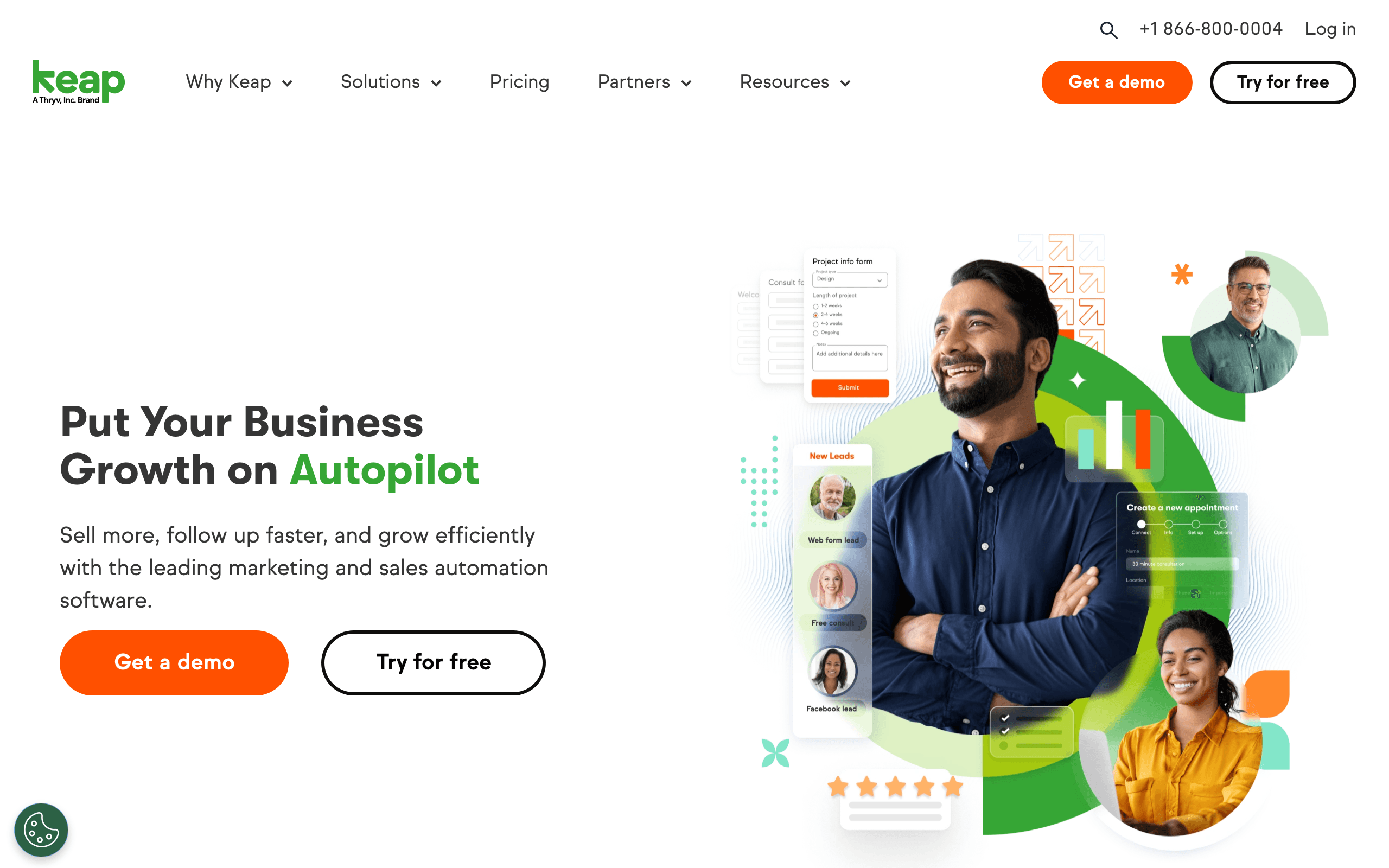
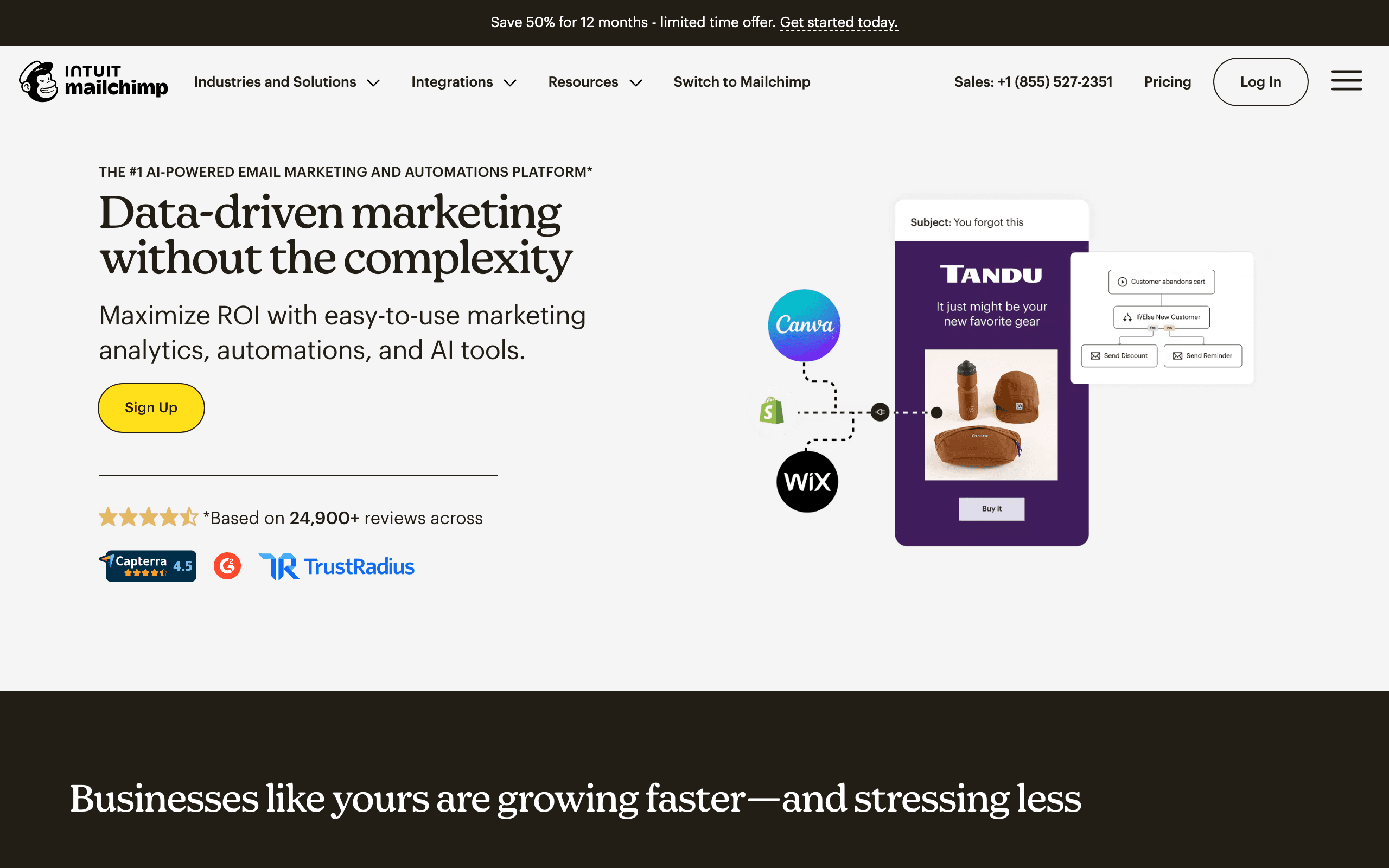
Keap (formerly Infusionsoft) and Mailchimp solve different problems. Keap is a CRM with marketing automation - it organizes leads, manages sales pipelines, and sends automated follow-ups. Mailchimp is email marketing with CRM features added - it sends campaigns, builds audiences, and tracks engagement. See our Mailchimp comparison for more context.
Different Starting Points
Keap asks "how do I manage and convert leads?" Mailchimp asks "how do I reach my audience with email?" These questions lead to fundamentally different products.
If you run a sales team with deals, appointments, and invoices, Keap is purpose-built for that workflow. If you're a marketer sending campaigns and growing an email list, Mailchimp is more focused on your needs.
The Price Gap
At 10,000 contacts: Keap costs ~$449/month, Mailchimp costs ~$130/month. That's 3.5x the price. But Keap includes CRM, payment processing, appointment scheduling, and quotes. Mailchimp is email marketing with extras.
The question isn't which is "worth it" - it's whether you need what Keap includes. If you're paying $449/month for features you don't use, that's waste. If Keap's CRM replaces another tool, it might be a good value.
Where Keap Wins
Sales Pipeline: Real deal stages, forecasting, and task management. Keap was built for sales teams managing prospects through a process. Mailchimp's CRM features are basic by comparison.
Automation Power: 70+ pre-built campaigns with CRM data, SMS, and complex branching logic. Keap's automation can do more, though it takes more time to learn.
All-in-One: Appointments, quotes, invoices, and payments are built in. Service businesses get everything in one platform.
Where Mailchimp Wins
Email Marketing Depth: Better A/B testing, send time optimization, and campaign analytics. Mailchimp is the email specialist.
Ease of Use: Send your first campaign in minutes. No mandatory onboarding. Free plan to test. Mailchimp is more accessible.
E-commerce: Deeper Shopify and WooCommerce integrations with product recommendations and revenue tracking.
Cost: At $130/month vs $449/month, Mailchimp is 71% cheaper. For email-focused teams, that savings matters.
The Onboarding Factor
Keap requires a minimum $499 onboarding fee. They've found users who skip proper setup fail to get value. This is a real cost to budget, but it also suggests Keap isn't a "try it and see" tool.
Mailchimp has a free plan. You can start immediately and upgrade when ready. Lower commitment, easier to evaluate.
For SaaS Companies
Neither is ideal for SaaS. Keap is built for service businesses with its appointments and invoicing focus. Mailchimp is general email marketing without subscription awareness.
If you're running a SaaS company on Stripe and want automation that triggers on subscription events - trial expiry, payment failures, plan changes - consider Sequenzy. It's built specifically for software businesses at $49/month.
Making the Choice
Choose Keap if you're a sales-driven business that needs CRM, pipeline management, and automation in one platform. Budget for the onboarding and learning curve.
Choose Mailchimp if you primarily need email marketing with some CRM features. It's more accessible and significantly cheaper.
For SaaS companies, both platforms lack the subscription-focused features that tools like Sequenzy provide.
CRM-First vs Email-First Philosophy
Keap (formerly Infusionsoft) was built as a CRM that sends email. Mailchimp was built as an email tool that added CRM. This foundational difference affects everything: Keap's interface organizes around contacts, deals, and pipelines. Mailchimp's interface organizes around campaigns, audiences, and content. If your daily workflow revolves around managing leads and closing deals, Keap's CRM-first design feels natural. If your daily workflow revolves around creating and sending email campaigns, Mailchimp's email-first design makes more sense.
The Service Business Sweet Spot
Keap excels for service businesses — consultants, coaches, agencies, and professionals who manage individual client relationships. Built-in appointment scheduling, invoicing, payment processing, and follow-up automation create a complete client management system. Mailchimp serves broader marketing needs but lacks these service-business specifics. If your revenue comes from managing client relationships rather than e-commerce transactions, Keap's integrated approach eliminates the need for multiple separate tools.
Payment Processing Integration
Keap includes payment processing directly in the platform — you can invoice clients, accept payments, and trigger automations based on payment events without a separate payment processor. Mailchimp has e-commerce integrations but no native payment processing. For businesses where payments trigger follow-up workflows — like onboarding sequences after purchase or renewal reminders before expiration — Keap's payment integration creates automation possibilities that Mailchimp cannot match natively.