Updated 2026-03-15

Best Email Marketing Tools for Nonprofits

Engage donors, recruit volunteers, and share your impact with the right email marketing platform.

Email marketing is the highest-ROI channel for nonprofit fundraising. Donor retention emails keep supporters engaged between campaigns. Fundraising appeals with personal stories drive giving. Impact reports show donors their contributions matter. Volunteer coordination emails fill shifts and manage events. The right platform lets you accomplish all of this on a nonprofit budget. I tested and reviewed 13 email marketing tools specifically for nonprofit use cases, ranking them on pricing, nonprofit discounts, ease of use, and fundraising capabilities.

TL;DR

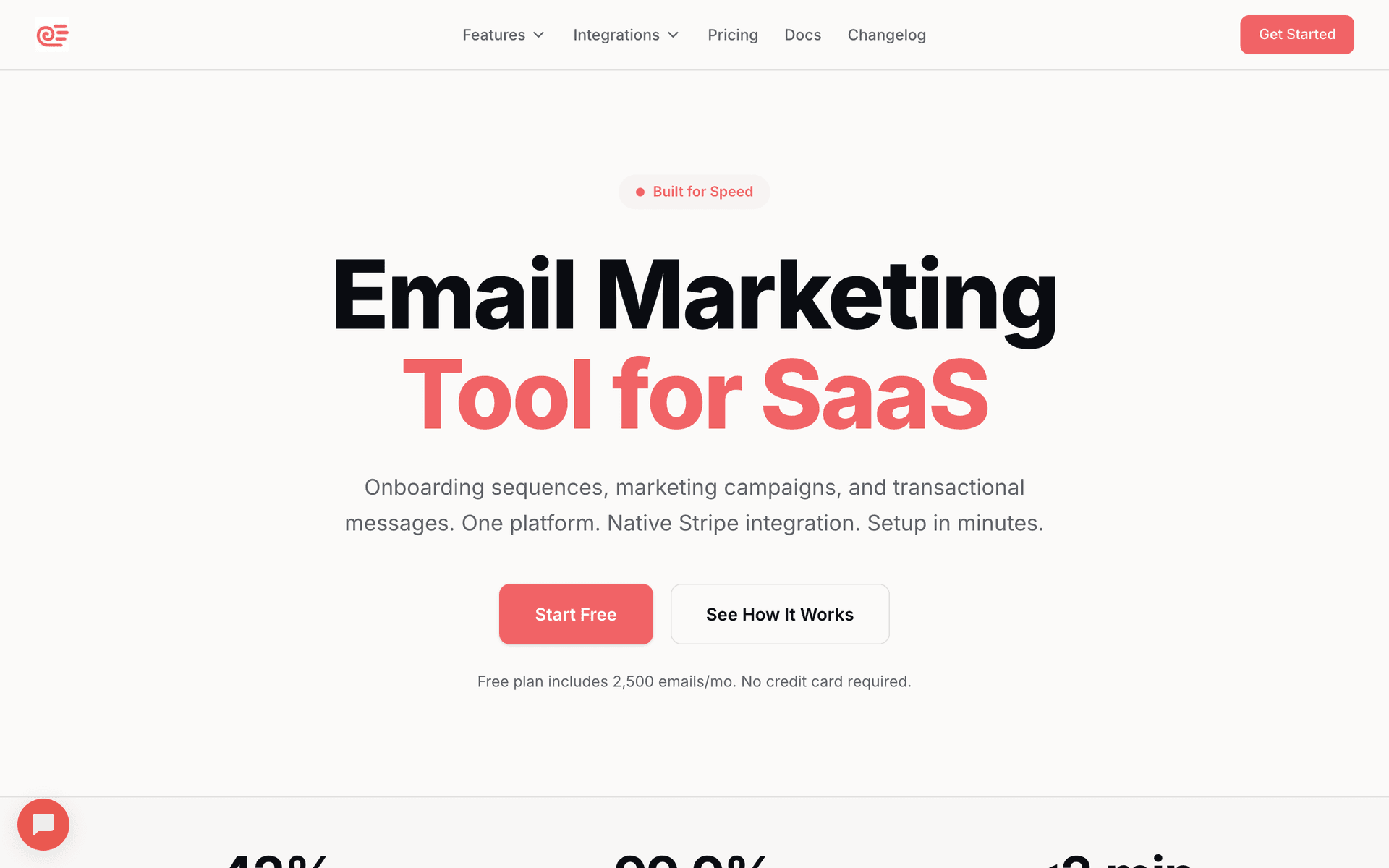
For nonprofits with large supporter lists, Sequenzy offers the best value - pay-per-email pricing means you only pay when you send, and the free tier covers up to 2,500 emails/month. AI generates fundraising and donor retention sequences for small teams. If you want the best nonprofit discount, GetResponse offers 50% off and MailerLite offers 30% off. For nonprofits that host events, Constant Contact's built-in event management is unique.

Why Nonprofits Need Email Marketing

Donor Retention

The average nonprofit loses 60-70% of first-time donors. Regular email engagement with impact stories, updates, and personal thank-yous keeps donors connected to your mission. Retained donors give more over their lifetime.

Fundraising Campaigns

Email is the primary driver of online donations. Year-end giving, Giving Tuesday, and emergency campaigns all depend on email. A well-structured fundraising sequence with a compelling story, urgency, and clear ask raises more than social media alone.

Volunteer Coordination

Recruiting, scheduling, and communicating with volunteers through email saves countless hours. Automated reminders reduce no-shows. Appreciation emails retain volunteers for future events.

Impact Reporting

Donors want to know their money matters. Monthly or quarterly impact reports showing what their donations accomplished build trust and increase future giving. Email is the most direct way to share these stories.

Nonprofits Email Marketing Benchmarks

Know these numbers before you start. They'll help you set realistic goals and pick the right tool.

25-35%
Average Open Rate

Nonprofit emails typically see 25-35% open rates. Impact reports and personal stories trend highest. Fundraising appeals perform well when preceded by engagement content. Organizations that only send asks see declining open rates over time.

2-5%
Average Click Rate

Click rates of 2-5% are typical. Donation buttons in compelling fundraising appeals drive the highest clicks. Impact reports with photo galleries also perform well. Emails without clear calls to action fall below 1%.

Tuesday-Thursday, 10am-1pm
Best Send Time

Donors engage with nonprofit emails during mid-day hours. Year-end campaign emails perform well anytime in December. Volunteer recruitment emails work best early in the week when people are planning their schedules.

40-50% with email engagement
Donor Retention Rate

Nonprofits with active email engagement programs retain 40-50% of donors year-over-year, compared to 25-30% without systematic email communication. The donor welcome sequence and quarterly impact reports drive the biggest retention improvement.

Important Tips Before You Choose

Lessons from nonprofitswho've been doing this for years. Save yourself the trial and error.

Send your thank-you email within minutes, not days

The thank-you email after a donation is the most important email for donor retention. Send it immediately, make it personal, and show specific impact. Donors who feel genuinely appreciated are significantly more likely to give again. Never send a generic receipt without a personal touch.

Show impact with every communication, not just in annual reports

Donors want to know their money matters. Include one specific impact example in every email - not just your quarterly report. 'Your donations provided 200 meals this week' is more compelling than general organizational updates. Make donors feel the direct connection between their giving and your mission.

Segment by giving history for relevant appeals

A first-time donor of $25 and a recurring donor of $500 should receive different communications. Segment by donation history (first-time, repeat, major), giving level, program interest, and engagement level. Relevant, personalized appeals raise more than generic blasts to everyone.

Plan your year-end campaign starting in November, not December

Nearly one-third of annual giving happens in December. A structured campaign starting December 1st with impact stories, program spotlights, the main ask, and a final push maximizes year-end donations. But preparation should start in November with audience segmentation and content creation.

Use email for volunteer management, not just fundraising

Email is the most effective channel for recruiting, scheduling, and communicating with volunteers. Automated reminders reduce no-show rates. Appreciation emails retain volunteers for future events. Training materials arrive in their inbox before they arrive on site.

Ask for nonprofit discounts - most platforms offer them

GetResponse offers 50%, MailerLite 30%, AWeber 25%, Constant Contact 20-30%, ActiveCampaign 20%, Mailchimp 15%, and Campaign Monitor 15%. Brevo offers a special free nonprofit plan. Always ask about nonprofit pricing as some discounts require an application.

13 Best Email Marketing Tools for Nonprofits

Our Top Pick for Nonprofits
#1
Sequenzy

AI-powered email marketing with smart automation sequences and pay-per-email pricing.

Visit

Sequenzy is the best value for nonprofits because the pay-per-email pricing is uniquely well-suited to nonprofit budgets. Most nonprofits have large supporter lists but only send campaigns periodically. Contact-based pricing punishes you for having many supporters. The free tier covers up to 2,500 emails per month, enough for small nonprofits to run their email program at no cost. The $29/month plan for 50,000 emails with unlimited contacts means your 10,000-person supporter list does not inflate your bill. The AI sequence builder creates fundraising campaigns, donor welcome sequences, and re-engagement flows in seconds - invaluable when your team is small and wearing multiple hats.

Best for
Nonprofits wanting affordable AI-powered email with pay-per-send pricing
Pricing
Free up to 2,500 emails/mo, then $29/mo for 50K emails (unlimited contacts)

Pros

  • Pay-per-email is ideal for large supporter lists
  • AI generates fundraising sequences quickly
  • Simple enough for non-marketing staff
  • Free tier for small nonprofits

Cons

  • Newer platform with a growing feature set
  • No built-in SMS marketing
  • No native donation form integration
  • No specific nonprofit discount (pricing already low)
#2
Mailchimp

The most recognized email marketing platform with a generous free tier.

Visit

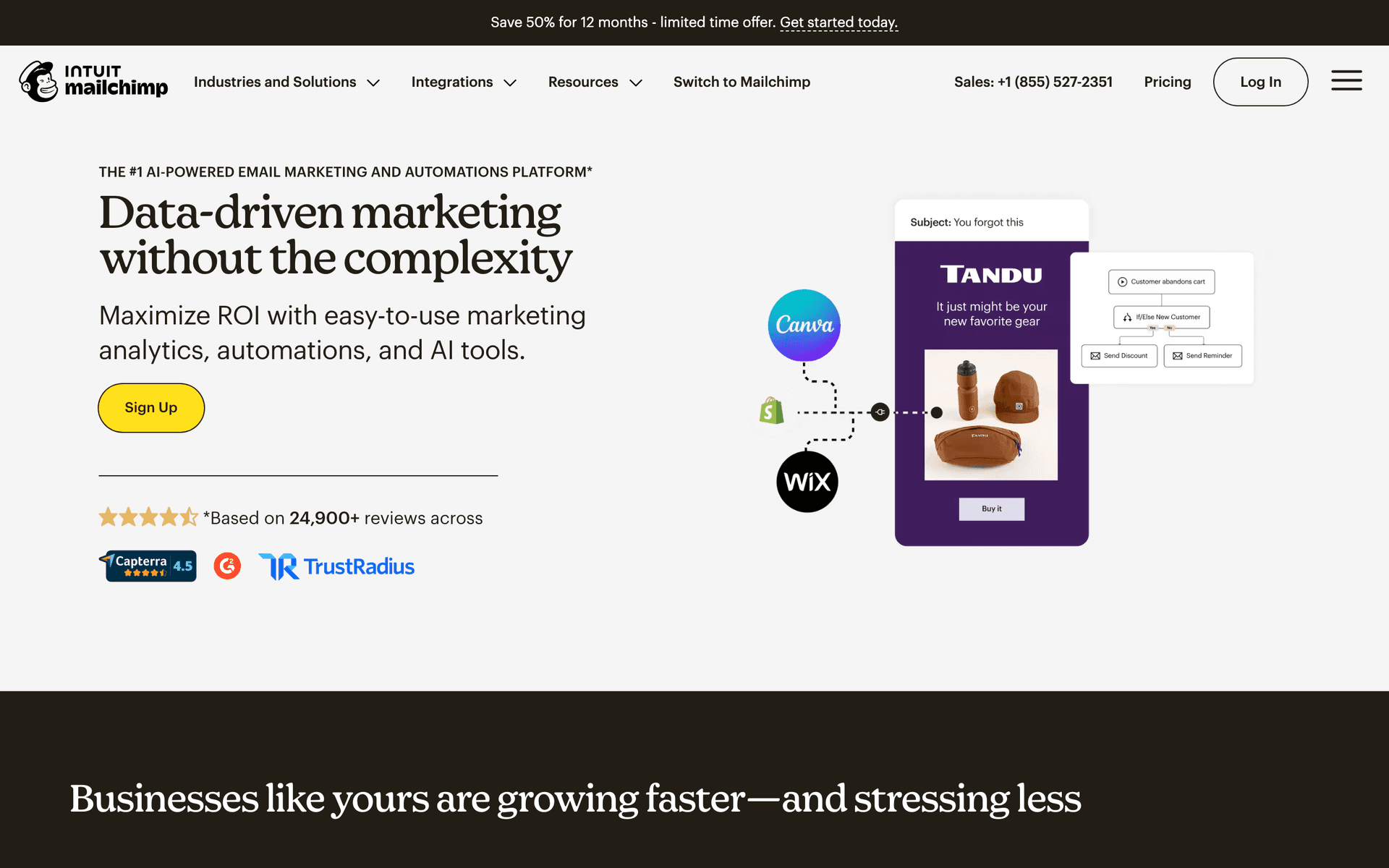
Mailchimp offers a 15% discount for nonprofits and charities. The free tier supports 500 contacts. The template library includes nonprofit-specific designs for fundraising appeals, event invitations, and newsletters. The drag-and-drop editor is easy for non-technical staff. Integration with donation platforms like Donorbox and PayPal is available. Automation is basic on lower plans, and costs climb steeply as your supporter list grows past 2,000 contacts.

Best for
Nonprofits wanting a familiar platform with nonprofit discounts
Pricing
Free up to 500 contacts, 15% nonprofit discount on paid plans

Pros

  • 15% nonprofit discount
  • Nonprofit-specific templates
  • Free tier to start
  • Donation platform integrations

Cons

  • Pricing climbs steeply at scale
  • Basic automation on lower plans
  • Support quality has declined
  • Many features behind expensive tiers
#3
Constant Contact

Email marketing platform with event management built for small organizations.

Visit

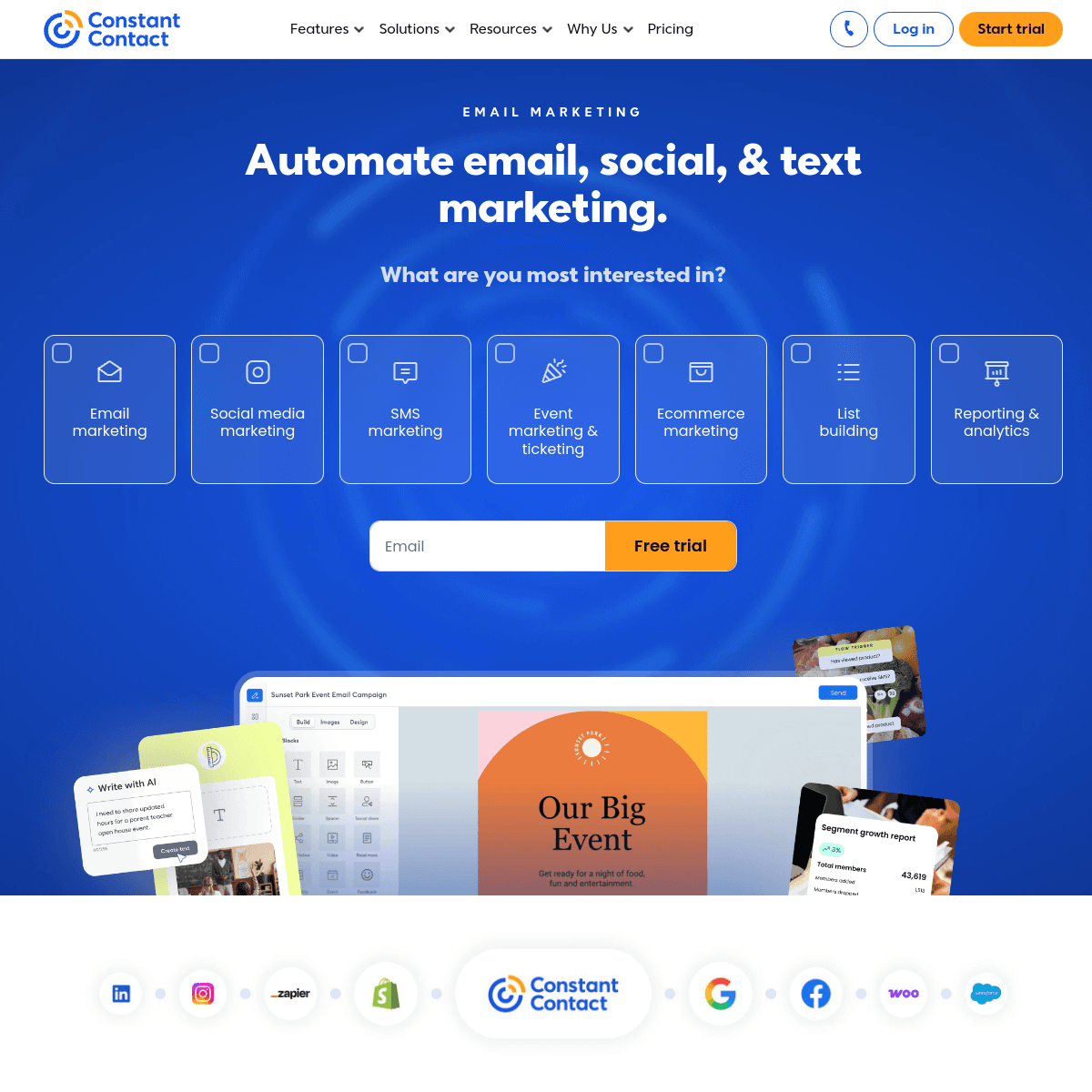
Constant Contact offers a 20-30% nonprofit discount and has long been a popular choice for nonprofits. The event management feature is excellent for galas, fundraisers, and volunteer events - handling registrations, reminders, and follow-ups. Surveys and polls help gauge supporter sentiment. Phone support is available for organizations that need hands-on help. The platform feels dated but remains reliable.

Best for
Nonprofits that host events and want integrated event management
Pricing
From $12/month, 20-30% nonprofit discount available

Pros

  • 20-30% nonprofit discount
  • Built-in event management
  • Phone support
  • Surveys and polls

Cons

  • Feels dated
  • Higher base pricing
  • Basic automation
  • No free tier
#4
MailerLite

Clean, simple email marketing with generous free tier and good automation.

Visit

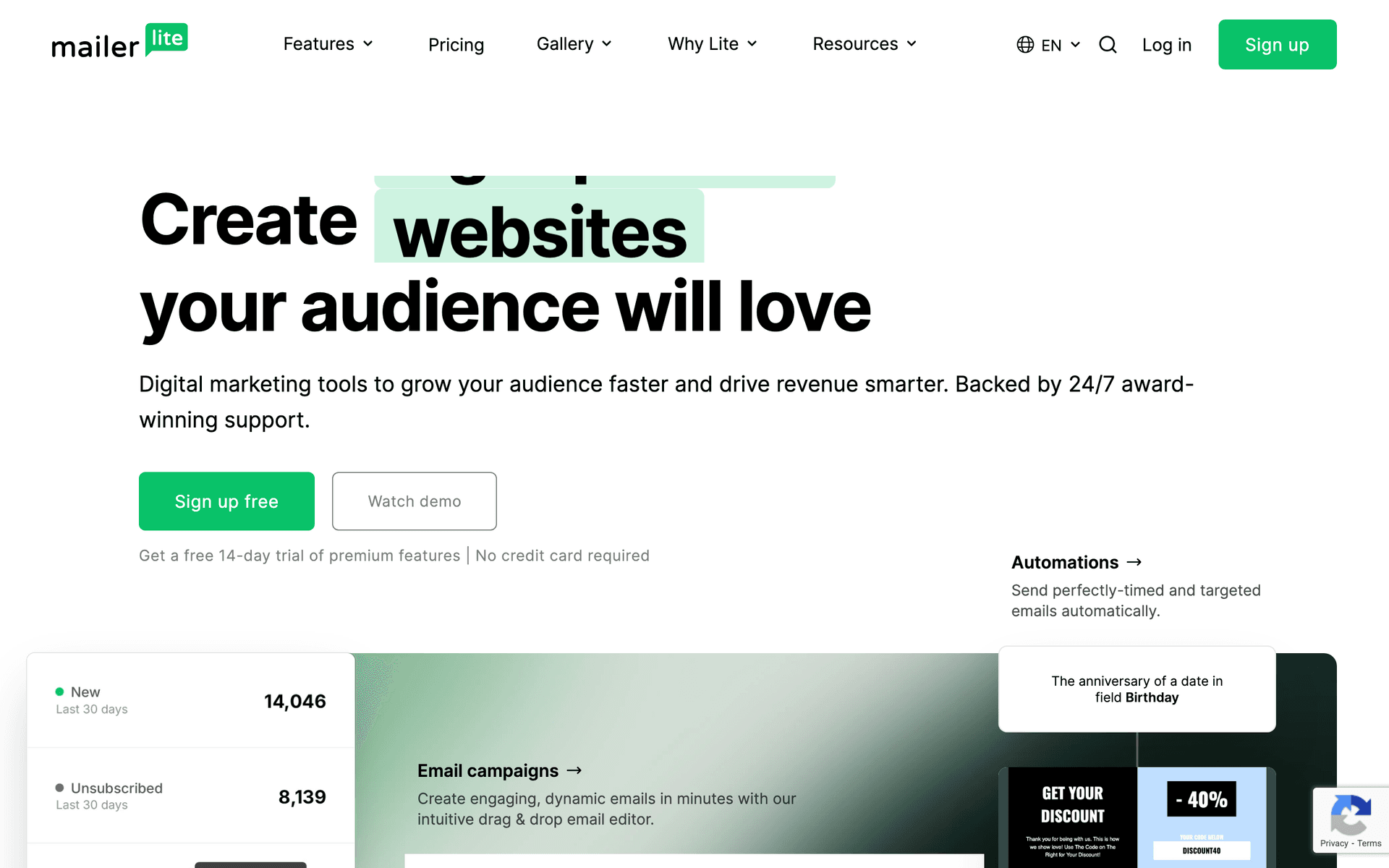
MailerLite offers a 30% discount for nonprofits, making it one of the most affordable options. The free tier supports 1,000 subscribers with most features included. The interface is clean and manageable for staff and volunteers without marketing experience. Landing pages help capture supporters from your website. Automation handles welcome sequences and basic donor journeys.

Best for
Budget-conscious nonprofits wanting simplicity with a nonprofit discount
Pricing
Free up to 1,000 subscribers, 30% nonprofit discount on paid plans

Pros

  • 30% nonprofit discount
  • Generous free tier
  • Clean, easy interface
  • Landing pages included

Cons

  • Strict approval process
  • Limited advanced features
  • Basic analytics
  • Fewer integrations
#5
Brevo

Affordable email and SMS marketing platform with transactional email included.

Visit

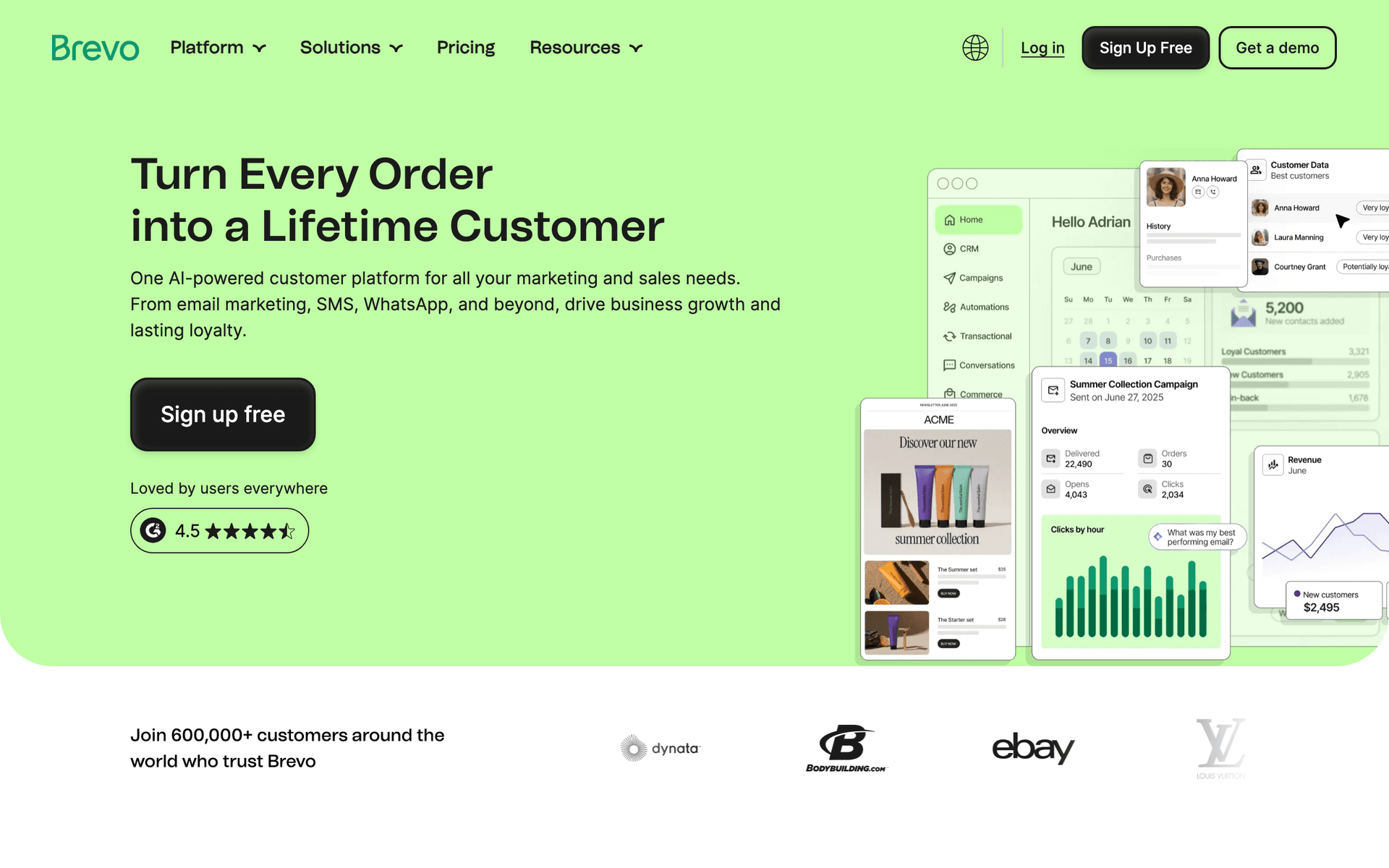
Brevo offers a special nonprofit plan with 10,000 free emails per month. For smaller nonprofits, this covers your needs entirely for free. SMS is included for event reminders and urgent appeals. Pay-by-email pricing means your supporter list can grow without increasing costs. The CRM tracks donor interactions.

Best for
Small nonprofits wanting free or very low-cost email and SMS
Pricing
Free nonprofit plan with 10,000 emails/month

Pros

  • Special free nonprofit plan
  • SMS included
  • CRM for donor tracking
  • Pay by emails, not contacts

Cons

  • Basic automation
  • Less polished interface
  • Limited design options
  • Brevo branding on free plan
#6
ActiveCampaign

Advanced automation and CRM platform with powerful workflow builder.

Visit

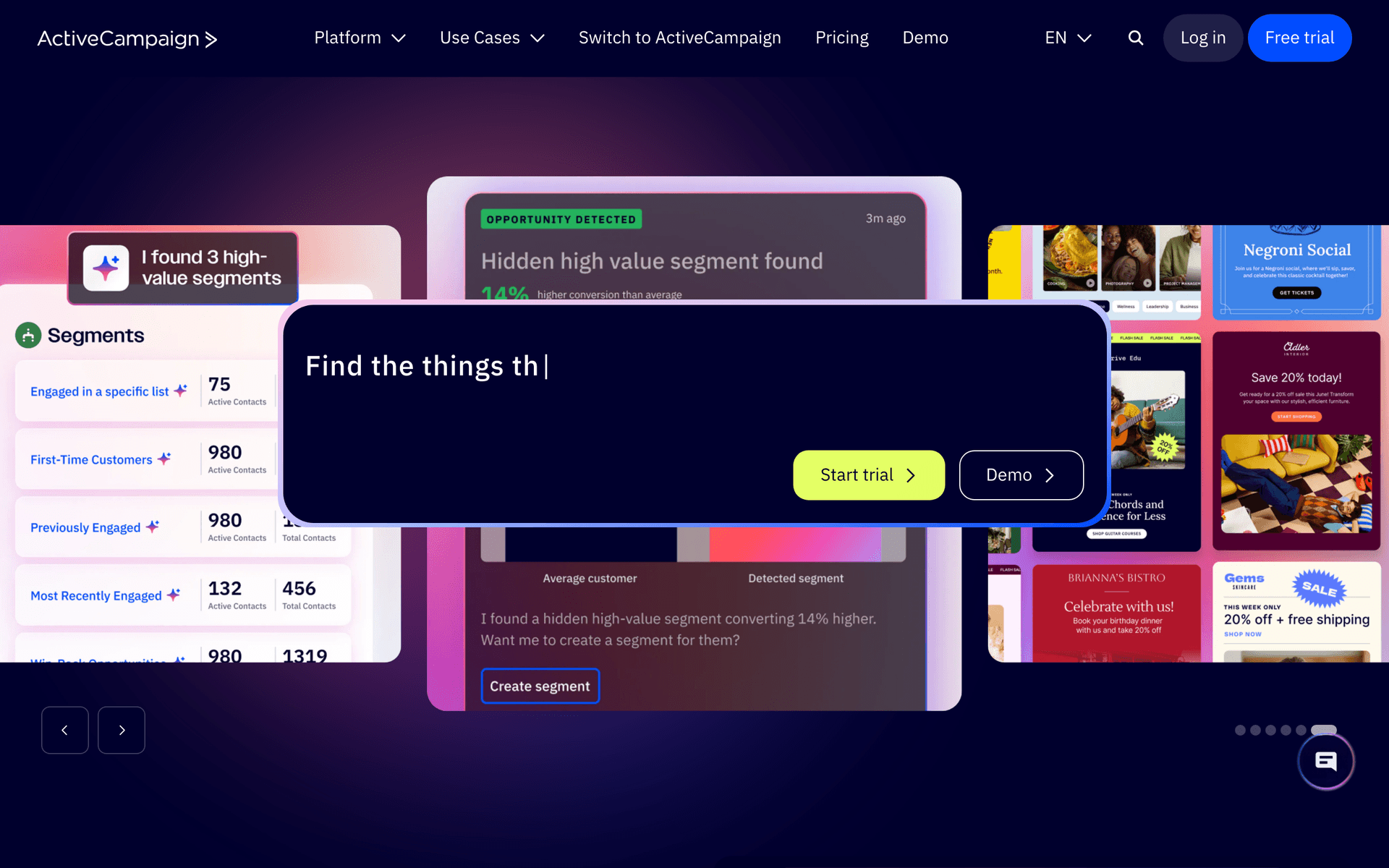
ActiveCampaign offers a 20% nonprofit discount and is the most powerful automation tool on this list. For larger nonprofits with complex donor journeys, segmented campaigns, and multiple programs, ActiveCampaign handles the sophistication. The CRM tracks donor relationships. Automation triggers emails based on donation amounts, event attendance, and engagement levels. The learning curve and price are significant for smaller nonprofits.

Best for
Larger nonprofits with complex donor management needs
Pricing
From $29/month, 20% nonprofit discount

Pros

  • 20% nonprofit discount
  • Powerful automation
  • CRM for donor management
  • Advanced segmentation

Cons

  • Steep learning curve
  • Higher price point
  • Requires dedicated staff
  • Can be overwhelming
#7
Kit

Creator-focused email platform with generous free tier, formerly ConvertKit.

Visit

Kit's free tier of 10,000 subscribers is extraordinary for nonprofits with limited budgets. If your nonprofit has a strong content strategy with blogs, podcasts, or social media, Kit converts that audience into email subscribers. Landing pages and forms are built in. No nonprofit discount, but the generous free tier makes it one of the most affordable options.

Best for
Content-driven nonprofits building a supporter community
Pricing
Free up to 10,000 subscribers, then from $25/month

Pros

  • Very generous free tier
  • Landing pages included
  • Simple to use
  • Good for audience building

Cons

  • No nonprofit discount
  • Limited design options
  • Basic automation
  • No donation integrations
#8
GetResponse

All-in-one marketing platform with email, landing pages, and webinars.

Visit

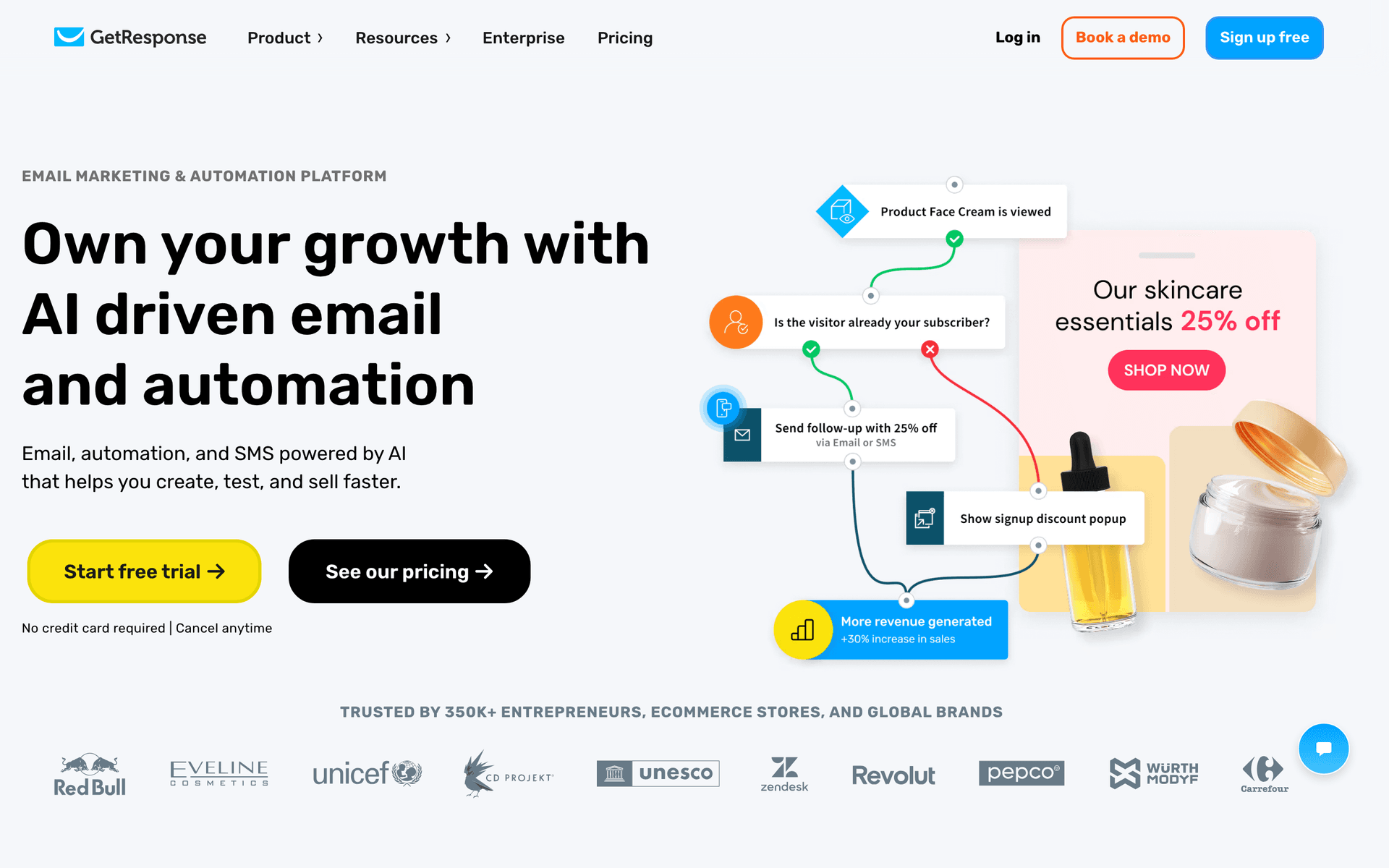
GetResponse offers a 50% discount for nonprofits - the most generous discount available. The combination of email, landing pages, and webinars is useful for nonprofits hosting virtual events and information sessions. At half price, GetResponse delivers strong value for organizations that use multiple features.

Best for
Nonprofits hosting virtual events and webinars
Pricing
From $15.60/month, 50% nonprofit discount

Pros

  • 50% nonprofit discount
  • Webinar hosting
  • Landing pages
  • Conversion funnels

Cons

  • Cluttered interface
  • Average automation
  • Not specialized for nonprofits
  • Webinars are basic
#9
Campaign Monitor

Professional email marketing with beautiful, polished templates.

Visit

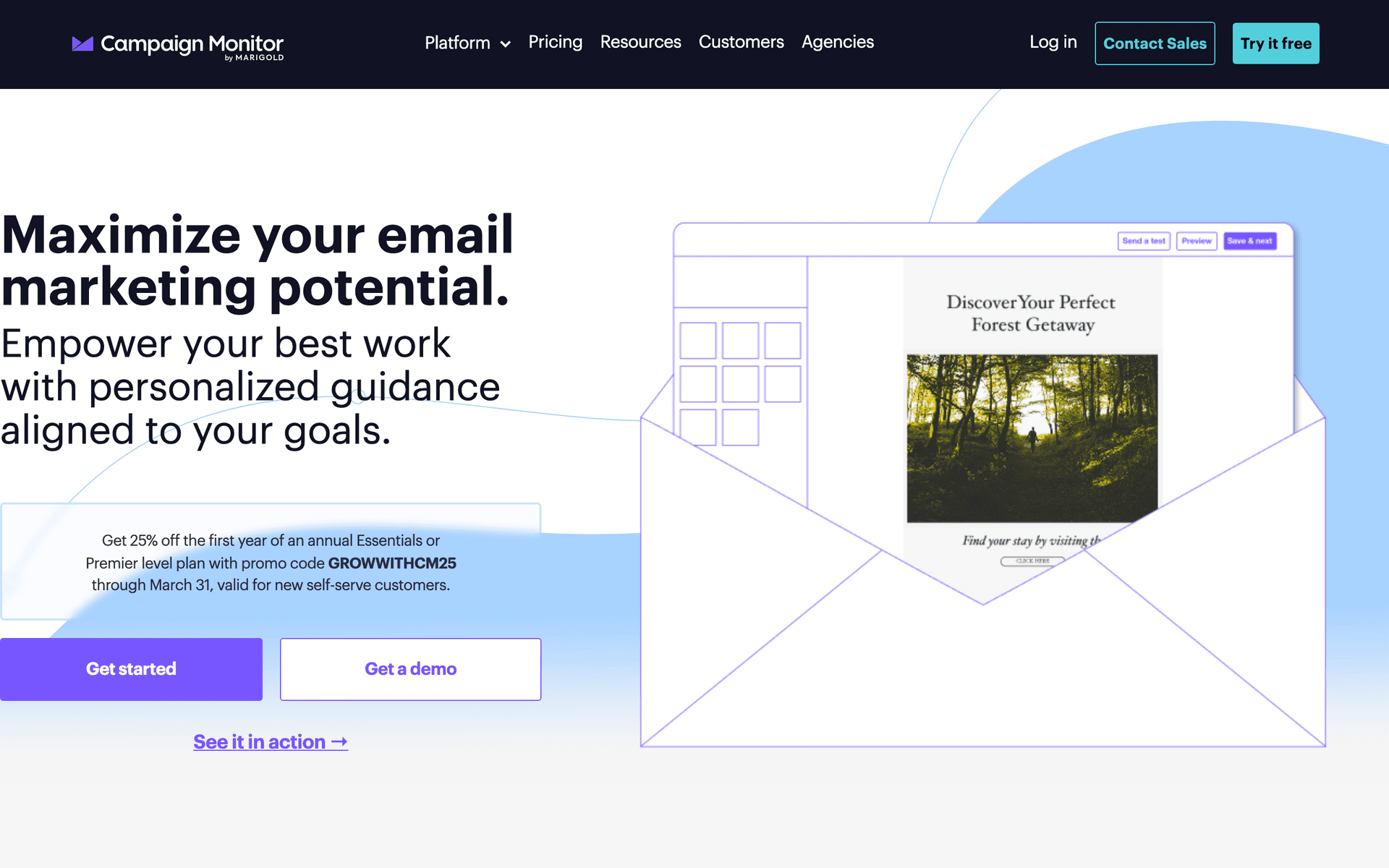
Campaign Monitor offers a 15% nonprofit discount. The templates are polished and professional, which matters when communicating with major donors and board members. The editor is straightforward. For nonprofits where brand presentation matters, Campaign Monitor delivers quality. Limited automation is the tradeoff.

Best for
Nonprofits wanting professional, polished email communications
Pricing
From $9/month, 15% nonprofit discount

Pros

  • 15% nonprofit discount
  • Beautiful templates
  • Professional quality
  • Easy editor

Cons

  • Limited automation
  • Contact-based pricing
  • No free tier
  • Basic features
#10
Flodesk

Beautifully designed email marketing with flat-rate pricing.

Visit

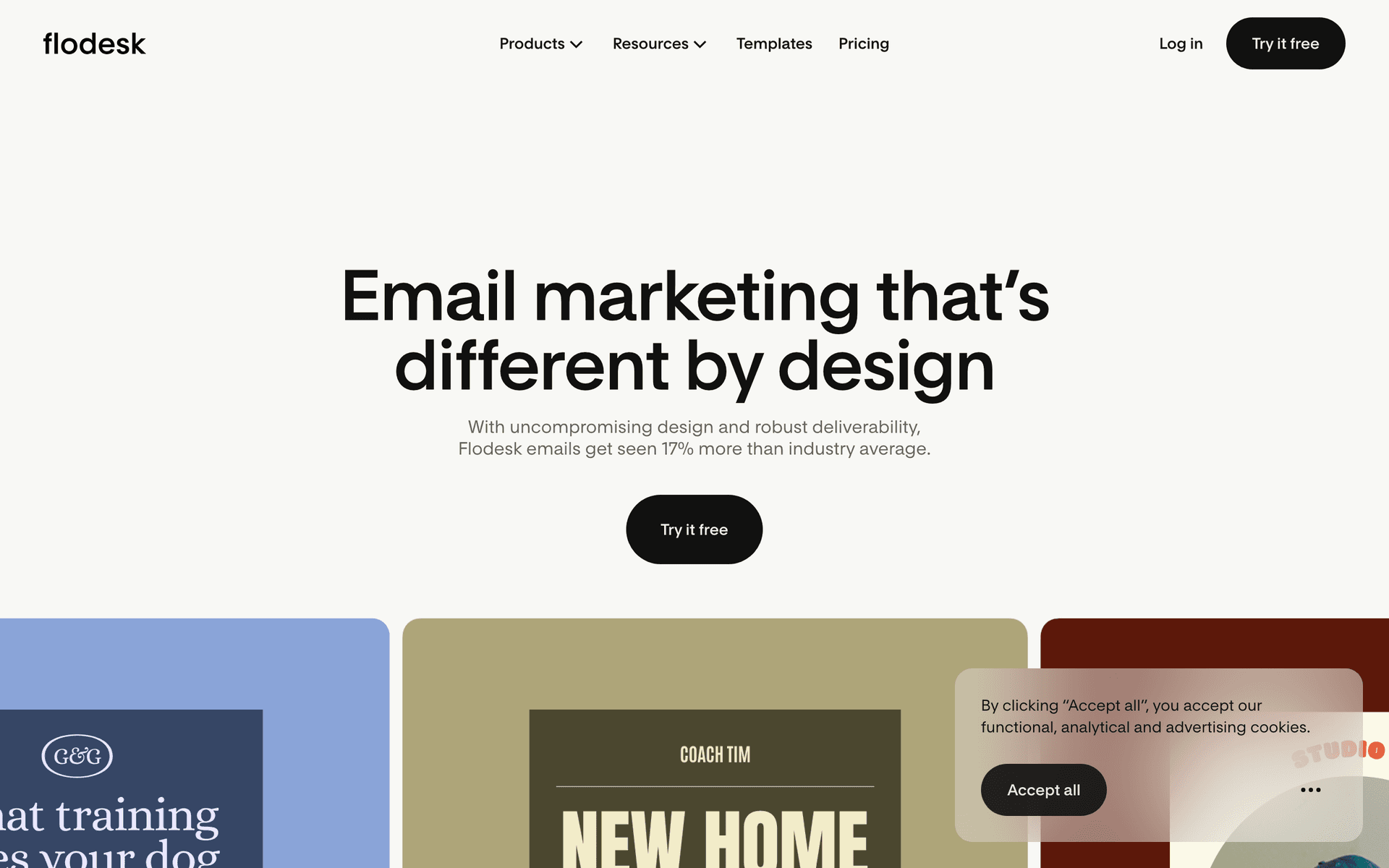
Flodesk's flat-rate pricing at $38/month means your costs stay the same as your supporter list grows. Every template looks stunning. For nonprofits that invest in brand quality and want visually compelling fundraising appeals, Flodesk delivers. No nonprofit discount is available.

Best for
Brand-conscious nonprofits wanting beautiful fundraising emails
Pricing
$38/month flat rate, unlimited subscribers

Pros

  • Flat-rate pricing
  • Beautiful designs
  • Unlimited subscribers
  • Easy to use

Cons

  • No nonprofit discount
  • No free tier
  • Basic automation
  • Limited integrations
#11
AWeber

One of the original email platforms with reliable deliverability.

Visit

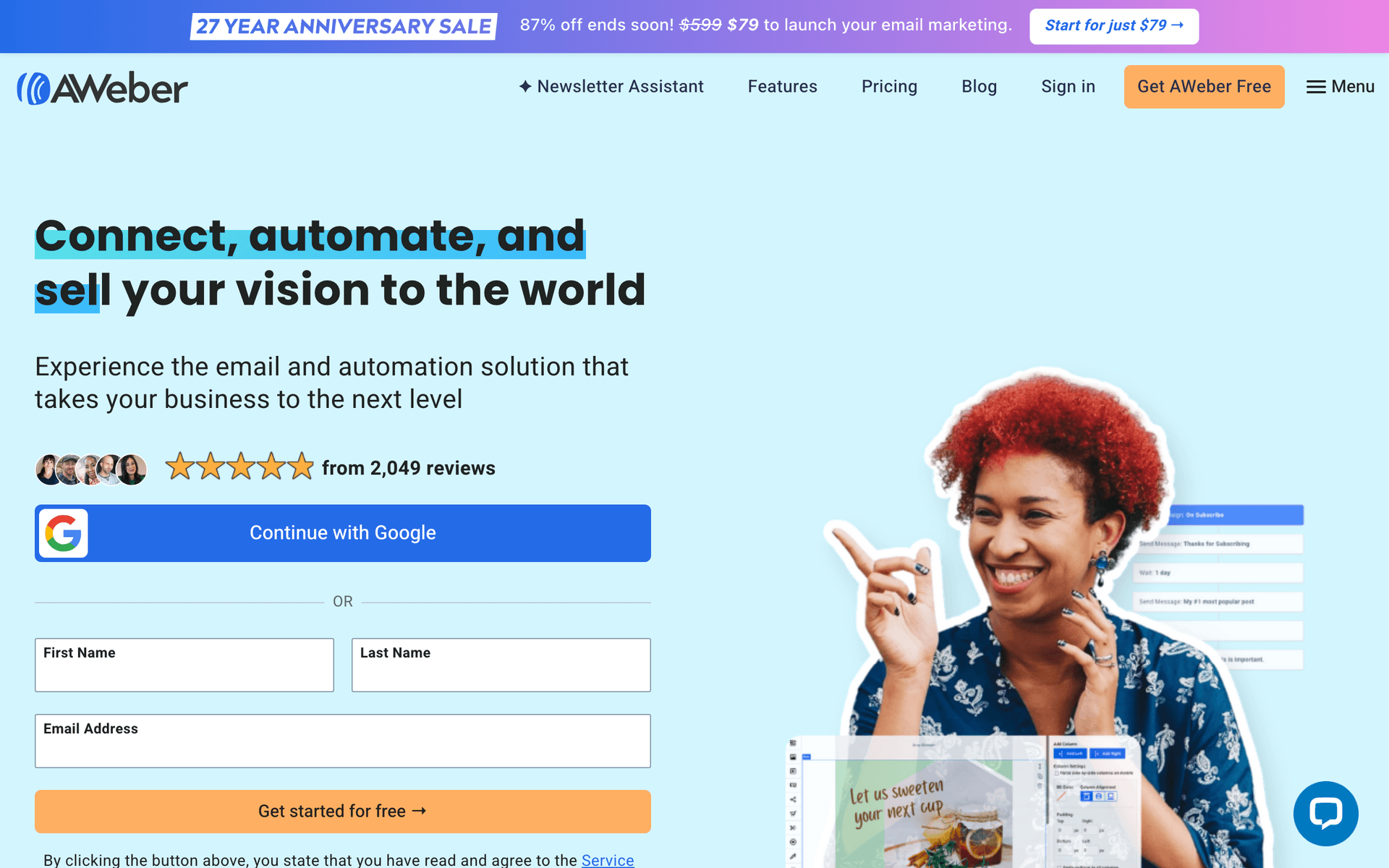
AWeber offers a 25% discount for nonprofits and a free tier for up to 500 subscribers. Phone support is valuable for organizations without technical staff. The platform is reliable and simple but lacks modern features for sophisticated fundraising campaigns.

Best for
Small nonprofits wanting reliable basics with phone support
Pricing
Free up to 500 subscribers, 25% nonprofit discount

Pros

  • 25% nonprofit discount
  • Phone support
  • Free tier
  • Reliable

Cons

  • Dated interface
  • Limited automation
  • Basic templates
  • Little innovation
#12
Moosend

Budget-friendly email marketing with decent automation features.

Visit

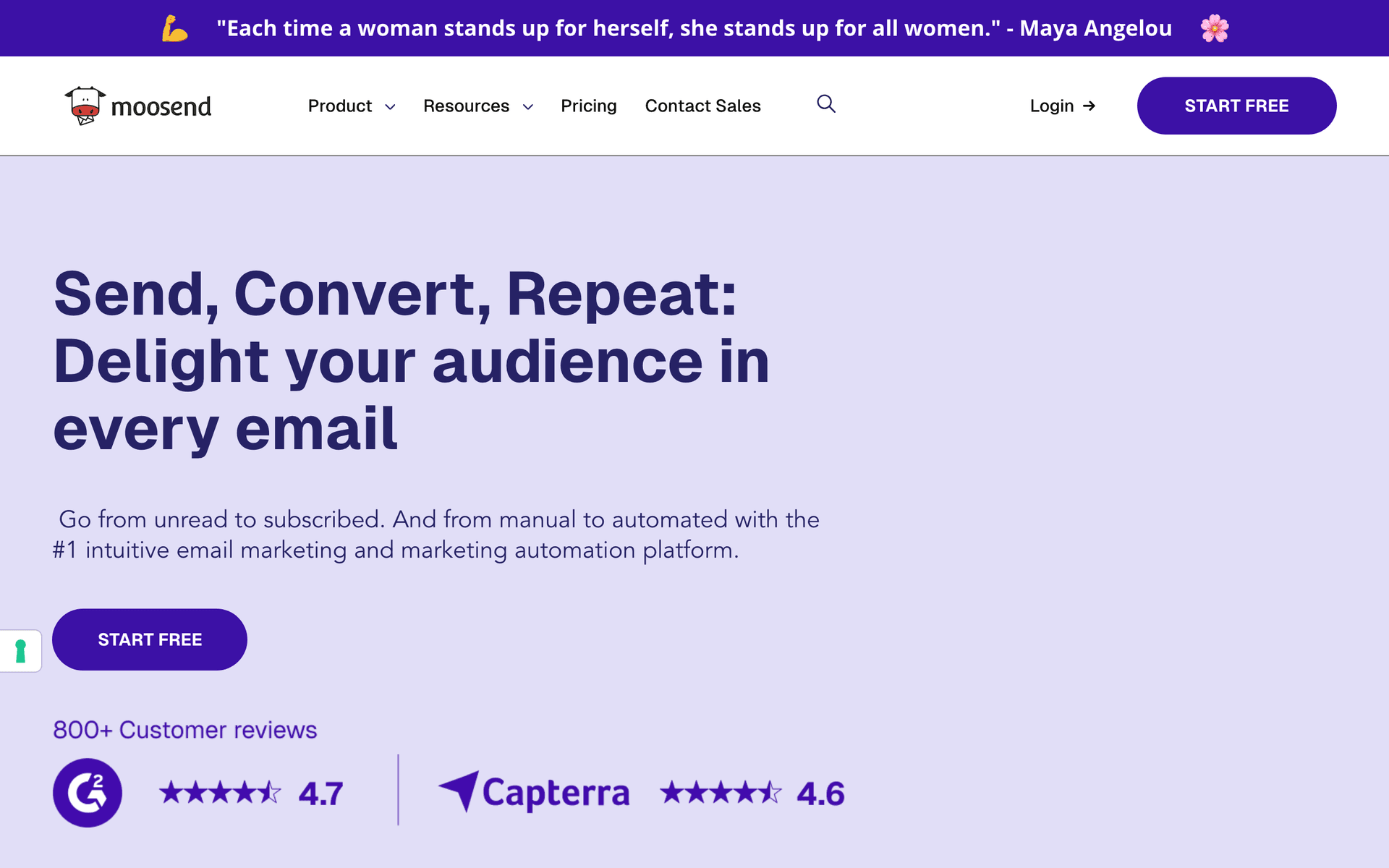
Moosend is the cheapest paid option at $9 per month. For nonprofits with extremely tight budgets that need more than a free tier, Moosend keeps costs minimal while providing automation and landing pages. No nonprofit discount available.

Best for
Very budget-constrained nonprofits
Pricing
From $9/month for 500 subscribers

Pros

  • Very affordable
  • Decent automation
  • Landing pages
  • Good value

Cons

  • No nonprofit discount
  • Less well-known
  • Limited integrations
  • Basic support
#13
Omnisend

E-commerce marketing platform combining email, SMS, and push notifications.

Visit

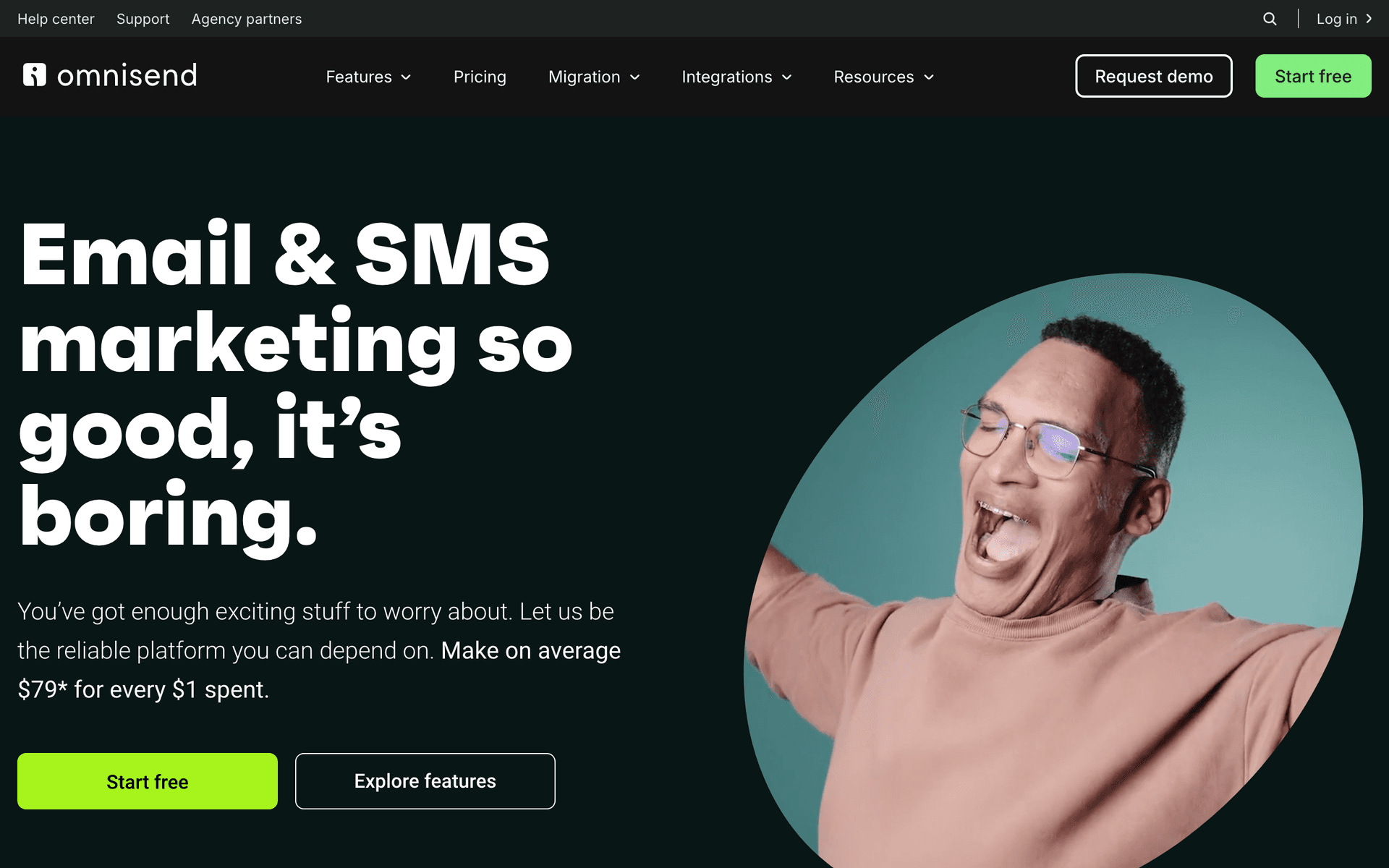
Omnisend is primarily for e-commerce but nonprofits with merchandise shops or product-based fundraising can benefit from its email, SMS, and push notification combination. Pre-built automation saves setup time. For nonprofits with a retail component, Omnisend serves double duty.

Best for
Nonprofits with merchandise shops or product-based fundraising
Pricing
Free up to 250 contacts, then from $16/month

Pros

  • Email, SMS, and push
  • Pre-built automation
  • Free tier
  • Good for merchandise

Cons

  • Not designed for nonprofits
  • Limited free tier
  • E-commerce focused
  • No nonprofit discount

Feature Comparison

FeatureSequenzyMailchimpConstant ContactBrevo
Donor welcome sequence
Yes
Yes
Yes
Yes
AI-powered sequences
Yes
No
No
No
Nonprofit discount
No
15%
20-30%
Free plan
Event management
No
No
Yes
No
Donation integrations
Via Stripe
Yes
Yes
No
Pay-per-email pricing
Yes
No
No
Yes
Free tier available
No
SMS marketing
No
No
No
Yes

Common Mistakes to Avoid

We see these mistakes over and over. Skip the learning curve and avoid these from day one.

Only emailing when you need money

Nonprofits that only send fundraising appeals train donors to feel like ATMs. Mix impact stories, event announcements, volunteer spotlights, and educational content with fundraising asks. The organizations with the best donor retention communicate consistently about their mission, not just their budget.

Sending generic thank-you receipts without personalization

A donation receipt that reads like a tax document kills the emotional high of giving. Your thank-you should be warm, specific about impact, and make the donor feel like a hero. 'Thank you for your $50 gift - that provides school supplies for 3 children' is dramatically more effective than 'We acknowledge receipt of your donation.'

Ignoring donor retention in favor of acquisition

The average nonprofit loses 60-70% of first-time donors. Acquiring new donors is 5-10x more expensive than retaining existing ones. A donor welcome sequence that builds connection in the first 30 days dramatically increases second-gift rates. Focus on retention first.

Using contact-based pricing with large supporter lists

Nonprofits often have thousands of supporters but only send campaigns periodically. Contact-based pricing charges you for every supporter whether you email them or not. Pay-per-email pricing means your 10,000-person list costs nothing between campaigns.

Burying the ask in long emails

Fundraising emails should lead with a story, show impact, and make one clear ask. Long emails with multiple asks and extensive organizational updates dilute the message. Every fundraising email should have one clear call to action that is easy to find and act on.

Email Sequences Every Nonprofit Needs

These are the essential automated email sequences that will help you grow your business and keep clients coming back.

New Donor Welcome

First donation received

Make new donors feel valued and increase the chance of a second gift.

Immediately
Thank you - your gift is already making a difference

Heartfelt thank you with a specific example of what their donation will accomplish. Include a receipt for tax purposes.

Day 3
Meet {{beneficiary}} - your donation is changing their life

Personal story of someone their donation helps. Emotional connection is the strongest driver of donor retention.

Day 7
Here is how we put every dollar to work

Transparency about how donations are used. Breakdown of program spending. Build trust through openness.

Day 14
3 ways to get more involved beyond giving

Invite them to volunteer, attend events, or share on social media. Deepen the relationship beyond transactions.

Year-End Fundraising

December 1st

Maximize year-end giving with a compelling multi-email campaign.

December 1
This year we achieved something incredible - thanks to you

Year-in-review highlighting major accomplishments. Set the stage for the ask by showing impact first.

December 10
Meet the people behind our mission

Staff and volunteer spotlight. Humanize your organization. Build emotional connection before the major ask.

December 20
Before the year ends - help us reach our goal

The main fundraising ask. Clear goal amount. Progress bar. Specific impact of each donation level.

December 30
Last chance for a 2026 tax-deductible gift

Final push with tax deadline urgency. Show remaining gap to goal. Last call for year-end donations.

Impact Report

Quarterly schedule

Keep donors engaged by showing the impact of their contributions.

Quarterly
Your impact this quarter - by the numbers

Key metrics and stories from the past quarter. Show exactly what donor contributions accomplished. Include photos and testimonials.

Lapsed Donor Re-Engagement

No donation in 12 months

Win back donors who have stopped giving.

12 months
We miss your support - here is what we have been up to

Update on recent accomplishments and upcoming goals. Remind them of the impact they made previously.

13 months
{{name}}, your support changed lives - can we count on you again?

Personal appeal with a specific, modest ask. Make it easy to say yes with a small suggested amount.

14 months
A message from {{beneficiary_name}}

Powerful testimonial or story from someone who benefits from the organization's work. Emotional appeal as a final effort.

Choosing the Right Platform for Your Nonprofit

The best tool depends on your budget, list size, and what you need beyond email.

If budget is your top priority, Brevo's free nonprofit plan (10,000 emails/month) or MailerLite's 30% discount with a free tier are the most affordable options. Kit's 10,000 free subscribers is also excellent for content-driven nonprofits.

If you have a large supporter list, Sequenzy's pay-per-email pricing is the most cost-effective. You are not charged for supporters sitting idle between campaigns. This alone can save hundreds per month compared to contact-based pricing.

If you host events, Constant Contact's built-in event management is unique and valuable. GetResponse offers webinar hosting at a 50% nonprofit discount for virtual events.

The Nonprofit Email Playbook

Three email strategies drive the most impact for nonprofits:

Donor welcome sequence retains first-time donors. The first 30 days after a donation determine whether someone becomes a repeat supporter. A four-email sequence with gratitude, impact stories, and engagement opportunities dramatically increases second-gift rates.

Regular impact reporting keeps supporters connected. Monthly or quarterly emails showing what donations accomplish build trust and sustain giving. Donors who see their impact give more often and in larger amounts.

Year-end campaign captures the largest giving period. Nearly one-third of annual giving happens in December. A structured four-email campaign starting December 1st maximizes year-end donations.

Donor Retention Is More Valuable Than Donor Acquisition

The average nonprofit loses 60-70% of first-time donors. Acquiring a new donor costs 5-10x more than retaining an existing one. Yet most nonprofits spend the majority of their marketing effort on acquisition.

Flip this ratio. Invest in a donor welcome sequence that builds connection in the first 30 days. Send quarterly impact reports that show donors their money matters. Create a lapsed donor re-engagement sequence that wins back supporters before they are gone for good.

Getting Started

  1. Set up an immediate thank-you email that goes out automatically after every donation
  2. Build a welcome sequence for new donors that deepens their connection to your mission
  3. Commit to monthly impact updates showing what donations accomplish
  4. Plan your year-end campaign well in advance with a clear goal and compelling story
  5. Segment by giving history so major donors and first-time givers receive appropriate communications

Use AI-generated sequences to create your fundraising campaigns quickly. The nonprofits that raise the most are not always the ones with the biggest budgets. They are the ones that communicate consistently, show impact, and make supporters feel valued.

How We Evaluated These Tools

Tools were evaluated based on nonprofit-specific needs - nonprofit discount availability, fundraising sequence automation, donor segmentation, volunteer coordination, impact reporting, and pricing models that work with large supporter lists and seasonal sending patterns. We contacted each platform to verify current nonprofit pricing.

Frequently Asked Questions

Ready to grow your nonprofit practice?

Start your free trial today. Set up your first email sequence in minutes with AI-powered content generation.

Related Industries

Sequenzy - Complete Pricing Guide

Pricing Model

Sequenzy uses email-volume-based pricing. You only pay for emails you send. Unlimited contacts on all plans — storing subscribers is always free.

All Pricing Tiers

  • 2.5k emails/month: Free (Free annually)
  • 15k emails/month: $19/month ($205/year annually)
  • 60k emails/month: $29/month ($313/year annually)
  • 120k emails/month: $49/month ($529/year annually)
  • 300k emails/month: $99/month ($1069/year annually)
  • 600k emails/month: $199/month ($2149/year annually)
  • 1.2M emails/month: $349/month ($3769/year annually)
  • Unlimited emails/month: Custom pricing (Custom annually)

Yearly billing: All plans offer a 10% discount when billed annually.

Free Plan Features (2,500 emails/month)

  • Visual automation builder
  • Transactional email API
  • Reply tracking & team inbox
  • Goal tracking & revenue attribution
  • Dynamic segments
  • Payment integrations
  • Full REST API access
  • Custom sending domain

Paid Plan Features (15k - 1.2M emails/month)

  • Visual automation builder
  • Transactional email API
  • Reply tracking & team inbox
  • Goal tracking & revenue attribution
  • Dynamic segments
  • Payment integrations (Stripe, Paddle, Lemon Squeezy)
  • Full REST API access
  • Custom sending domain

Enterprise Plan Features (Unlimited emails)

  • Visual automation builder
  • Transactional email API
  • Reply tracking & team inbox
  • Goal tracking & revenue attribution
  • Dynamic segments
  • Payment integrations
  • Full REST API access
  • Custom sending domain

Important Pricing Notes

  • You only pay for emails you send — unlimited contacts on all plans
  • No hidden fees - all features included in the price
  • No credit card required for free tier

Contact

  • Pricing Page: https://sequenzy.com/pricing
  • Sales: hello@sequenzy.com