
Email Marketing for DTC Brands: The Playbook
DTC email marketing is about building a relationship that justifies your price. Customers who feel connected to your brand are willing to pay more and buy more frequently. Email is the primary channel for building that connection at scale because you control the message, timing, and audience.
The DTC email revenue breakdown:
A well-optimized DTC email program typically generates 20-40% of total revenue through a combination of:
- Automated flows (40-60% of email revenue): Cart recovery, welcome series, post-purchase, win-back, and browse abandonment run on autopilot
- Campaigns (40-60% of email revenue): New launches, seasonal promotions, brand content, and collection spotlights sent to segmented audiences
The Lifecycle Marketing Advantage
DTC brands have a unique advantage over marketplace sellers and retailers: you know exactly who your customer is, what they bought, when they are likely to buy again, and what they browse on your site. Use that data to make every email feel personal, not like a mass blast.
Why Brand Story Matters in Email
DTC brands that invest in storytelling through email see higher customer lifetime values and lower churn. Your founding story, production process, and brand values create emotional attachment that survives price comparisons. A customer who bought your product because they believe in your mission is far more resilient to competitor discounts than one who bought because you had the lowest price.
What Makes DTC Email Different from Generic E-Commerce
DTC brands have the luxury of a direct customer relationship. You own the customer data, control the brand experience, and can build genuine connection through every touchpoint. The brands that win at DTC email marketing are the ones that make customers feel like they are part of something bigger than a transaction.
The Second Purchase Problem
Most DTC brands lose money on the first customer acquisition through paid ads. Profitability comes from the second, third, and fourth purchase. Email is the most cost-effective channel for driving repeat purchases because you have already paid to acquire the customer. A strong post-purchase sequence that adds value, requests reviews, and recommends complementary products directly addresses the repeat purchase challenge.
Building Community Through Email
DTC brands that build community through their email program see higher engagement and loyalty. Customer spotlights, UGC features, and exclusive behind-the-scenes content make subscribers feel like insiders. This community feeling drives both purchases and word-of-mouth referrals.
DTC Email Benchmarks by Flow
DTC brands should judge email by revenue per recipient and repeat purchase movement, not just opens. The best flows make paid acquisition more profitable by turning first-time buyers into customers who buy again.
| Email flow | Healthy open rate | Healthy click rate | Main revenue metric |
|---|---|---|---|
| Welcome journey | 38-58% | 8-18% | First purchase conversion |
| Cart recovery | 35-55% | 8-18% | Recovered checkout revenue |
| Post-purchase education | 42-62% | 7-15% | Review rate and cross-sell clicks |
| Replenishment or reorder | 45-65% | 10-22% | Repeat purchase rate |
| Win-back | 22-38% | 3-8% | Reactivated customer revenue |
DTC Lifecycle Table
The best DTC email programs map every customer stage to a different message. A new subscriber needs belief and product clarity; a past buyer needs a reason to come back.
| Customer stage | Best email angle | Offer or CTA |
|---|---|---|
| New subscriber | Brand story, hero product, social proof | First-purchase incentive |
| First-time buyer | Usage tips, founder note, review ask | Product education before cross-sell |
| Second-time buyer | Community content, VIP framing | Bundle or complementary product |
| VIP customer | Early access, loyalty recognition | Exclusive drop or private sale |
| Lapsed customer | What is new, product improvements | Win-back offer or restock reminder |
DTC Revenue Priority Table
Build email flows in the order that improves margin fastest. For most DTC brands, that means recovering paid traffic and driving the second order before spending time on broad newsletters.
| Priority | Flow | Trigger | Why it matters |
|---|---|---|---|
| 1 | Cart recovery | Cart abandoned | Recovers visitors already paid for through ads |
| 2 | Welcome journey | Email signup | Converts owned audience into first purchase |
| 3 | Post-purchase lifecycle | First order delivered | Creates reviews, trust, and second-order intent |
| 4 | Replenishment or cross-sell | Product-specific timing | Increases customer lifetime value |
| 5 | Win-back | 90-120 days without purchase | Re-engages customers before they fully churn |
Best Fit by DTC Revenue Motion
Best email marketing tool for DTC second-purchase campaigns
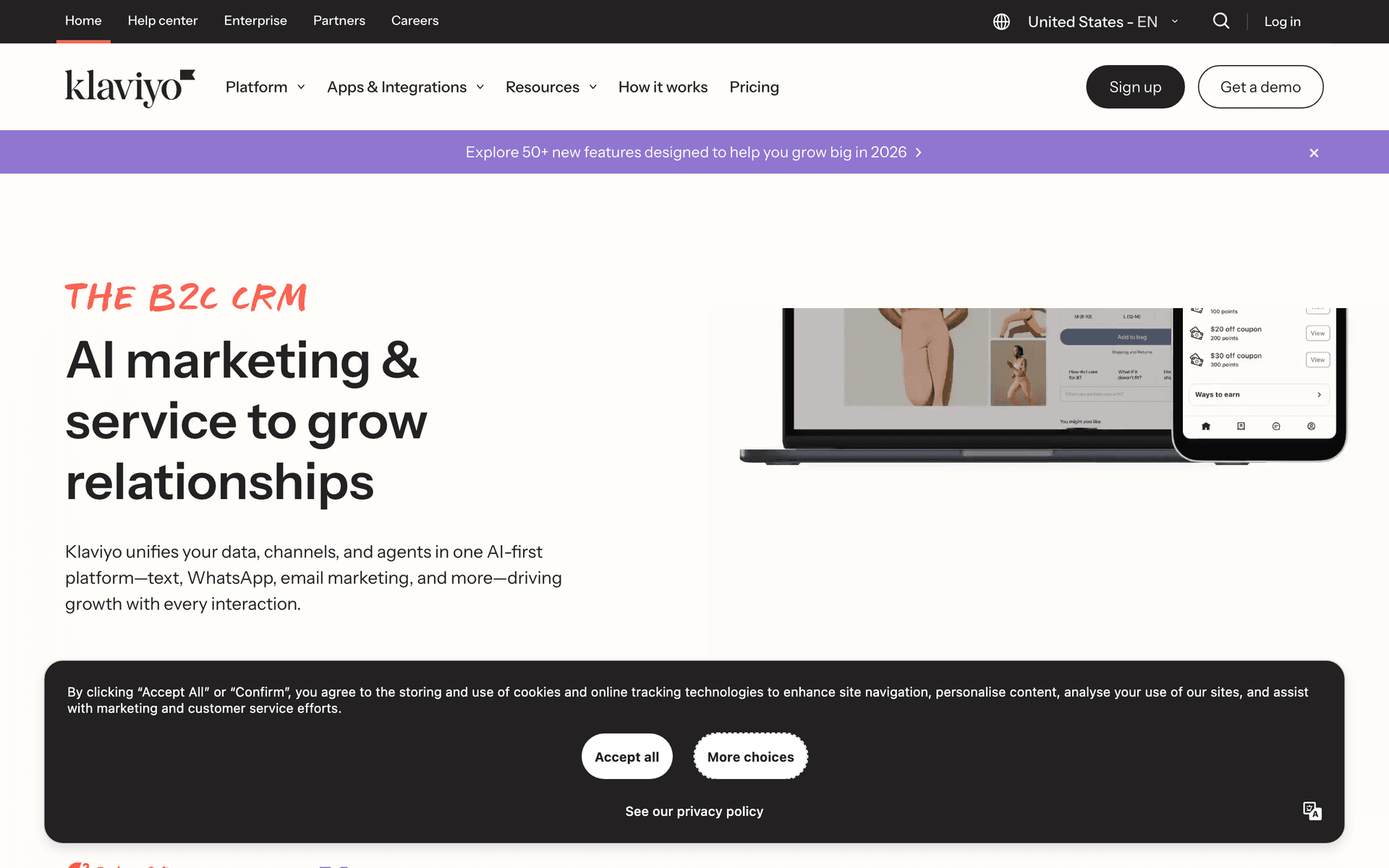
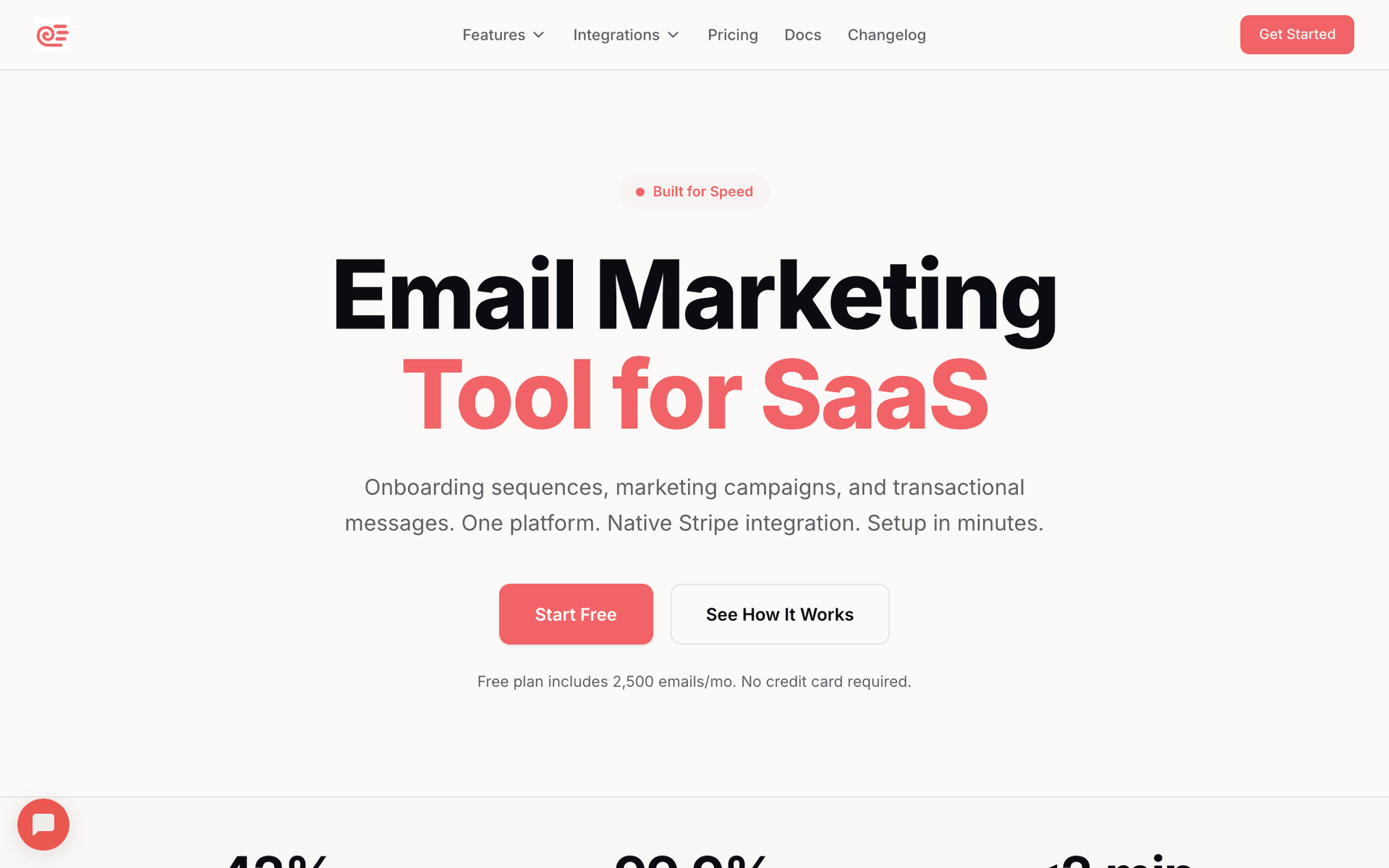
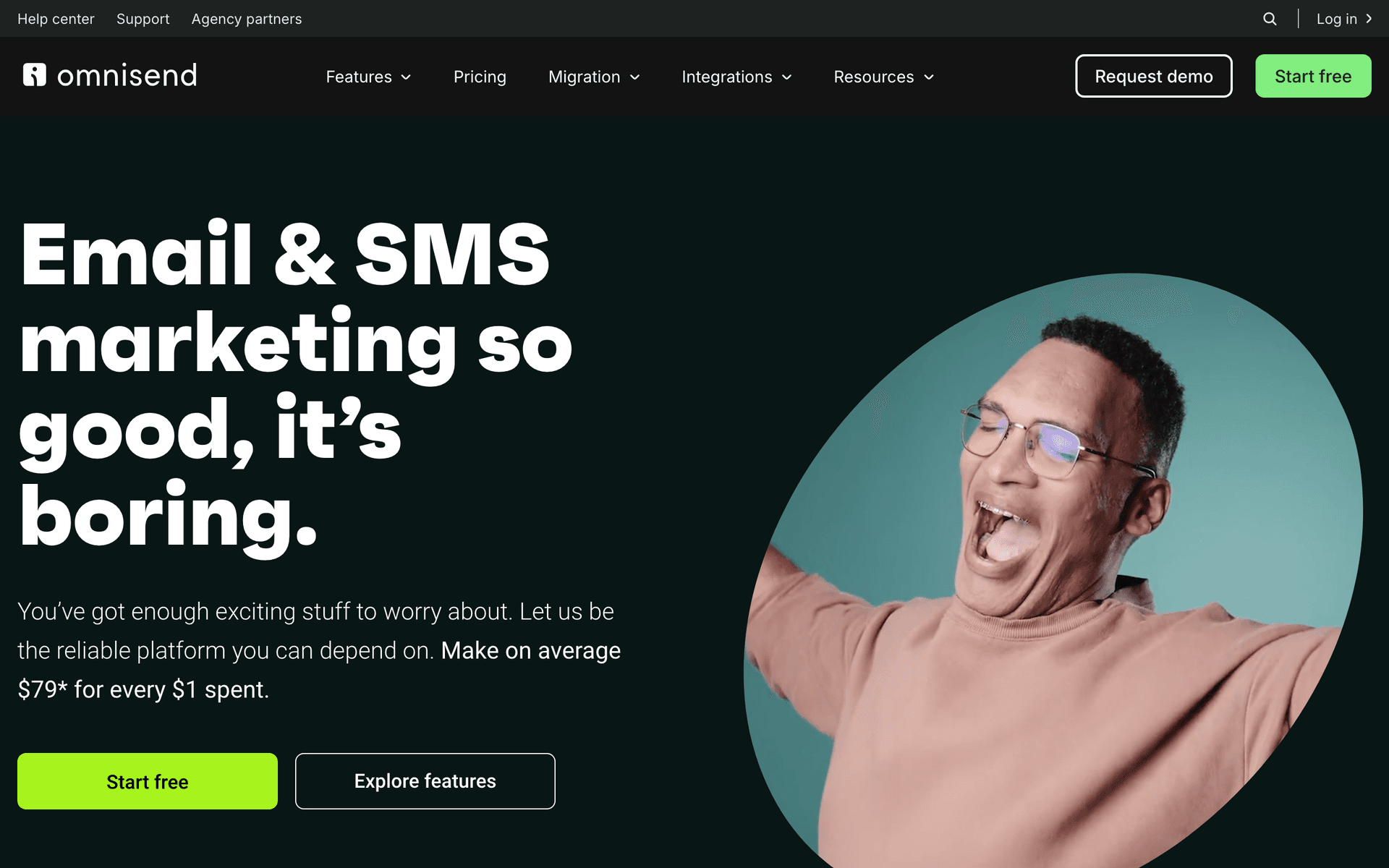
Choose Sequenzy, Klaviyo, or Omnisend when the priority is moving first-time buyers into a second order with education, social proof, and product-specific cross-sells. The second purchase is usually more valuable than another broad newsletter.
Best email marketing tool for DTC replenishment and reorder flows
Choose a platform that can trigger reminders from product category, expected usage window, and purchase history. Replenishment emails should arrive before the customer runs out, not on a generic monthly schedule.
Best email marketing tool for DTC brand storytelling
Choose MailerLite, Kit, or Sequenzy when the brand needs content-driven launches, founder notes, and community campaigns alongside revenue flows. DTC email has to create preference, not only recover carts.
Getting Started with DTC Email
Set up these automations in order of revenue impact:
- Cart recovery sequence to recapture abandoned purchases immediately
- Welcome journey that tells your brand story and converts new subscribers
- Post-purchase lifecycle to drive reviews, cross-sells, and the critical second order
- Win-back campaign to re-engage lapsed customers before they are lost
Once these four automations are running, layer in seasonal campaigns, new product launches, and content-driven brand emails to your segmented subscriber base.
Related Resources for DTC Email Teams
If you are building the flows from scratch, start with welcome series ecommerce templates, post-purchase follow-up templates, and win-back ecommerce templates. Those three assets cover the first purchase, the second purchase, and the lapsed-customer recovery path.
For strategy, pair this page with the DTC brand email playbook, ecommerce customer retention emails, and ecommerce newsletter ideas. DTC brands need both revenue automation and brand content; only sending discounts weakens the relationship you are trying to build.
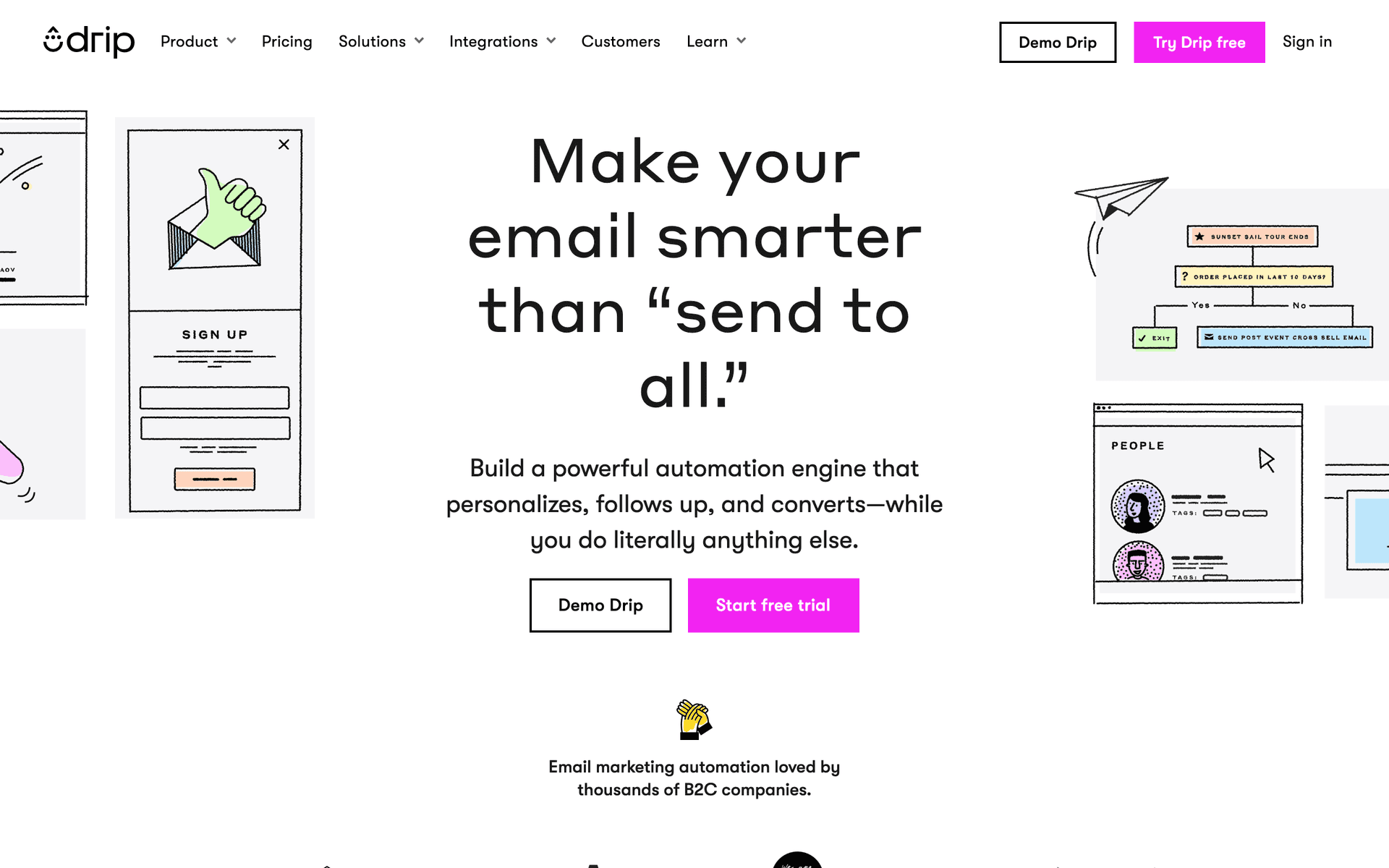
For platform decisions, compare Klaviyo, Drip, and Omnisend. If Klaviyo is too expensive for your current margin profile, review the best Klaviyo alternatives before moving your lifecycle flows.