How to Choose the Right Email Tool for Your Shopify Store
The most important factor is integration quality. A deep Shopify integration means customer data, order history, and product catalogs flow automatically into your email platform. This powers everything from cart recovery emails with actual product images to segmentation based on purchase behavior.
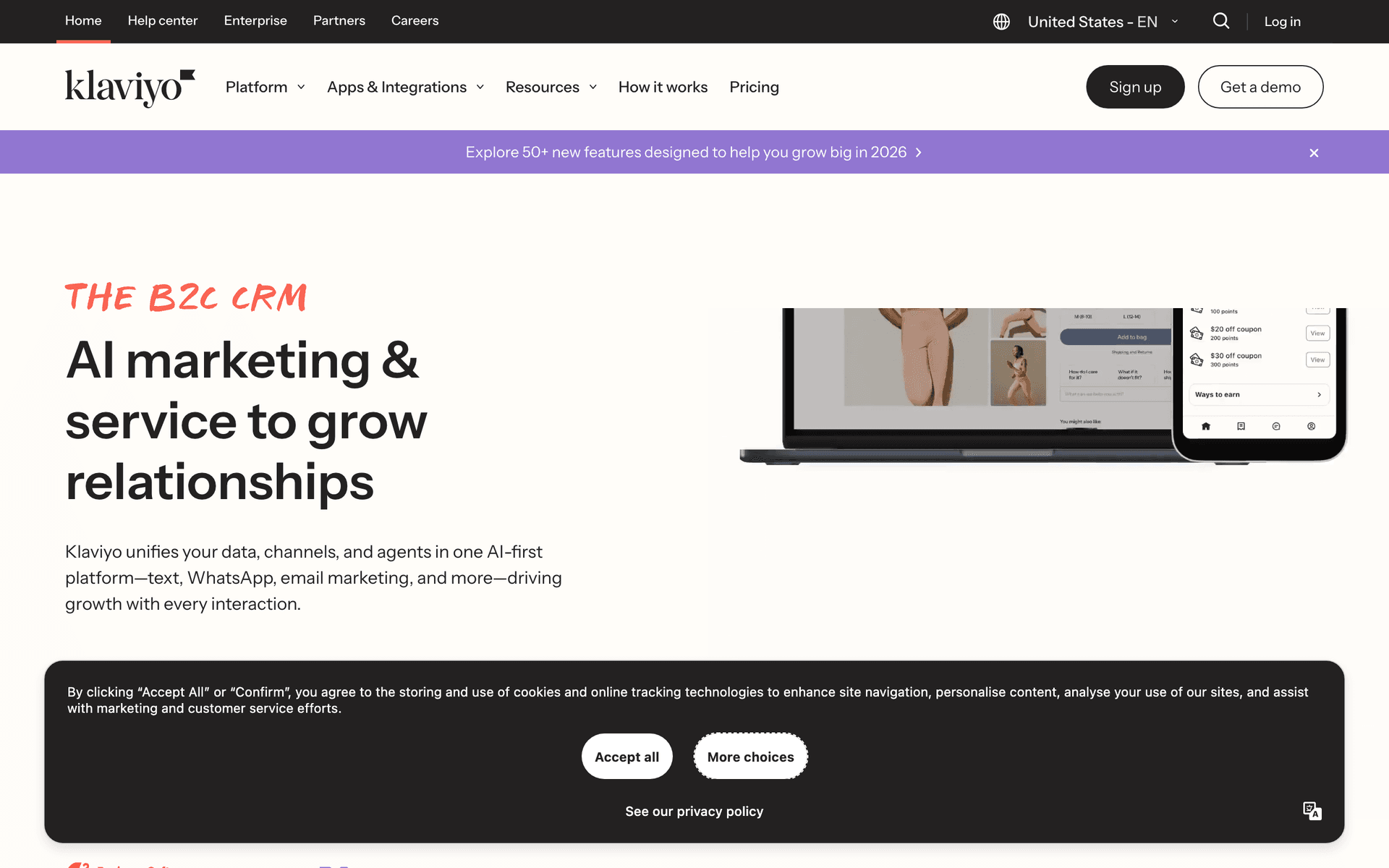
If you want the deepest integration and have the budget, Klaviyo is the established leader. The predictive analytics and product recommendation engine are genuinely useful for stores doing $10K+ per month.
If you want smart automation without overpaying, Sequenzy offers native Shopify integration with AI-powered sequences at a fraction of Klaviyo's cost. The free tier lets you start without any investment, and the pay-per-email model keeps costs low as your list grows.
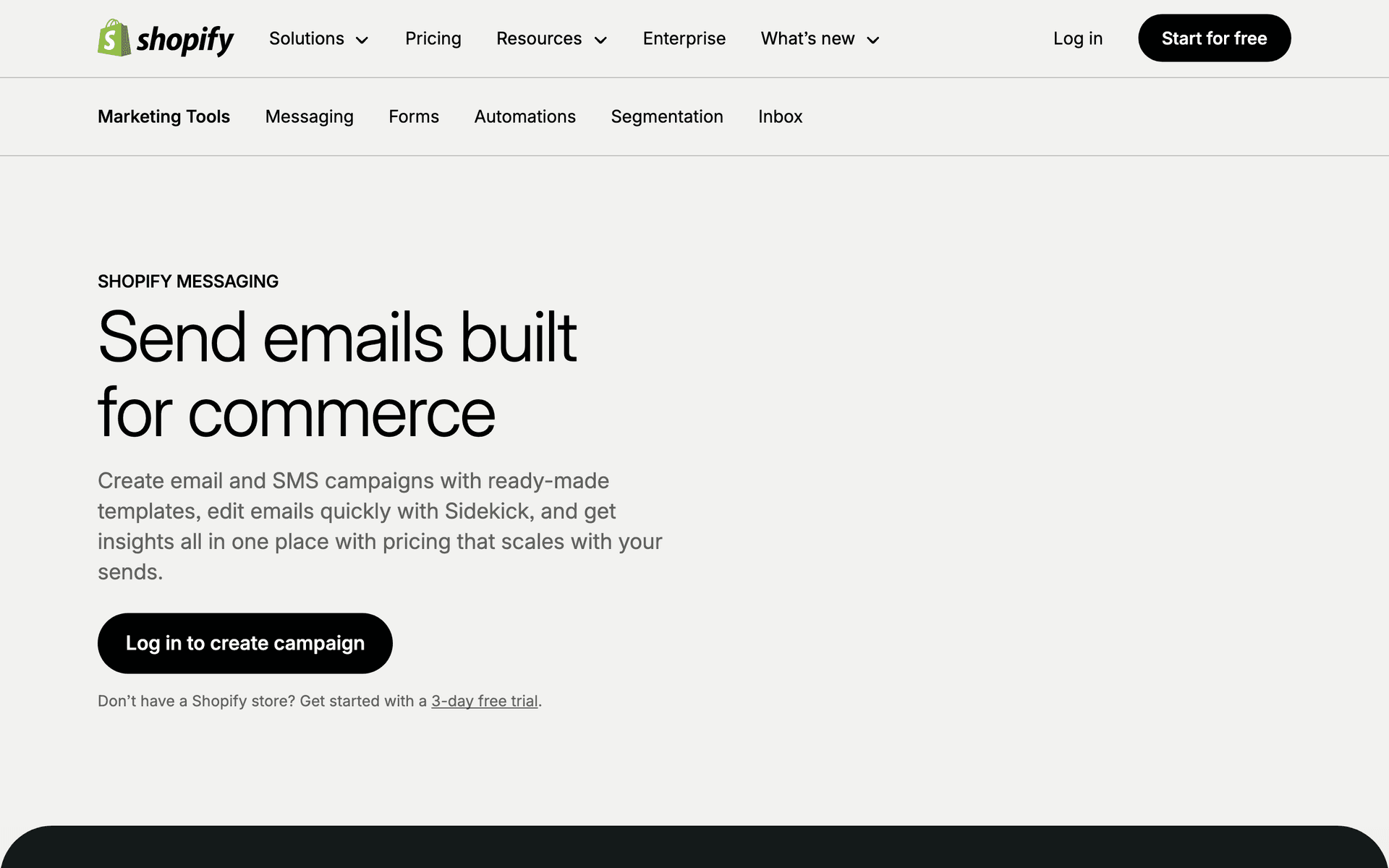
If you want the simplest setup, Seguno and Shopify Email both live inside your Shopify admin. Seguno has better automation. Shopify Email is free for your first 10,000 emails.
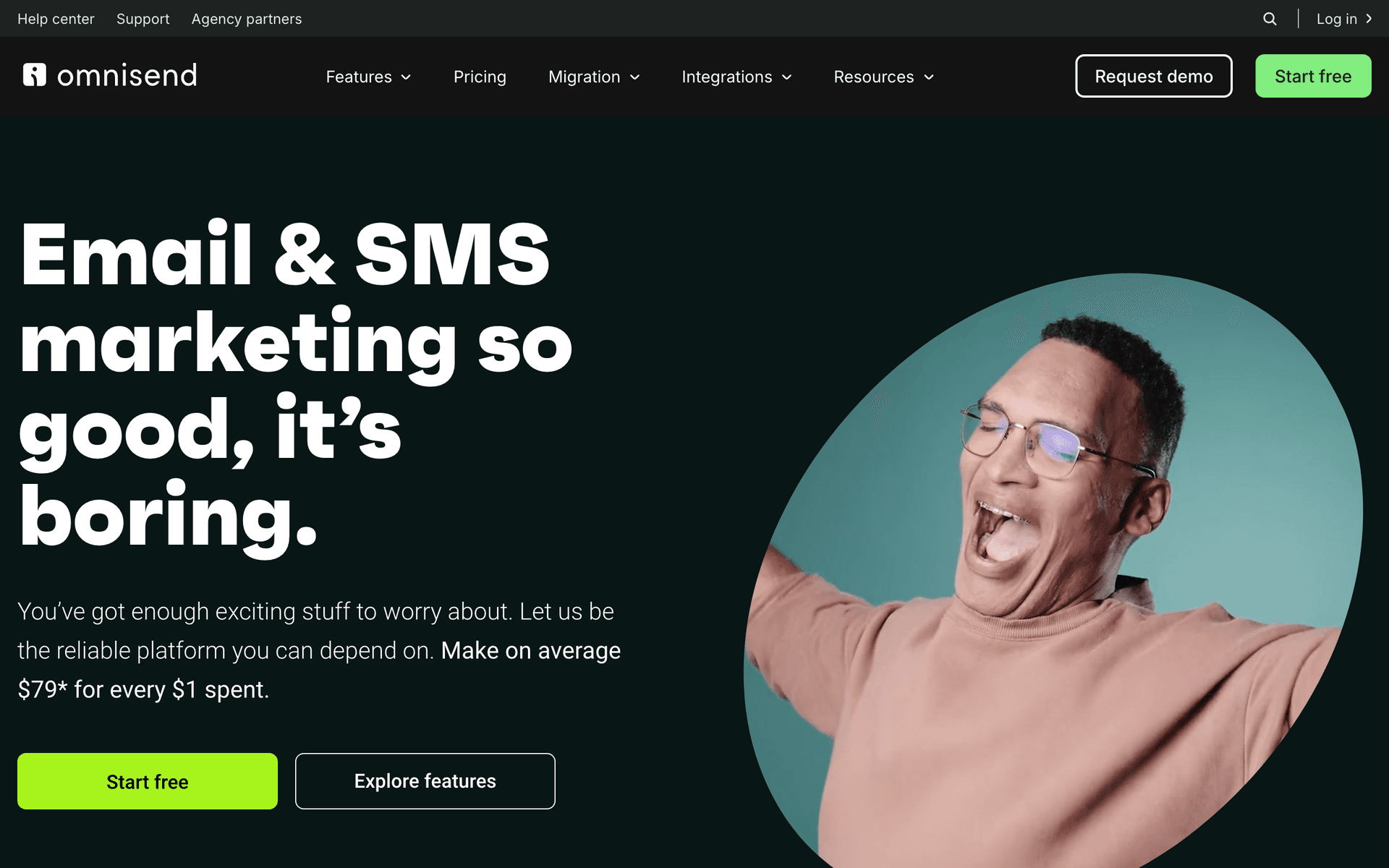
If you want everything in one place, Omnisend combines email, SMS, and push notifications with solid Shopify integration at competitive pricing.
The Three Automations Every Shopify Store Needs
Set these up before anything else:
1. Cart recovery (recovers 5-15% of lost revenue). Three emails: a reminder at 1 hour, social proof at 24 hours, and a small incentive at 48 hours. With Shopify integration, the cart contents appear in the email automatically.
2. Post-purchase follow-up (increases lifetime value). Product tips 3 days after delivery, a review request at day 10, and a cross-sell recommendation at day 21. All personalized based on what they actually ordered from your Shopify store.
3. Welcome series (converts subscribers to buyers). A 4-email sequence over 7 days that introduces your brand, shows bestsellers, and offers a first-purchase discount.
These three automations typically generate 20-40% of total email revenue for Shopify stores, and they run entirely on autopilot once set up.
Understanding Shopify Email Economics
Email marketing ROI for Shopify stores depends heavily on your pricing model. Here is the math that matters:
Contact-based pricing charges for every subscriber in your database, whether you email them or not. A store with 10,000 subscribers paying $150/month on Klaviyo is spending $1,800/year. If only 3,000 subscribers are active and engaged, you are paying for 7,000 people who never open your emails.
Per-email pricing charges based on actual sends. The same store sending 30,000 emails per month on Sequenzy would pay $29/month, or $348/year. The savings are dramatic for stores with large but partially engaged lists.
Building a Revenue-Focused Email Calendar
Beyond automations, plan your manual campaigns around these key moments:
Product launches - tease, launch, and follow up over 3-5 emails. Give your email list early access to build loyalty.
Seasonal sales - start campaigns 1-2 weeks before major sales events. Build anticipation rather than announcing discounts at the last minute.
Content and storytelling - mix product emails with brand stories, behind-the-scenes content, and customer spotlights. Pure promotional lists have higher unsubscribe rates.
Re-engagement - quarterly campaigns to win back lapsed buyers with new product showcases or exclusive returning-customer offers.
Measuring What Matters
Track these metrics monthly and adjust your strategy:
- Revenue per email - your most important metric. How much revenue does each email generate on average?
- Cart recovery rate - what percentage of abandoned carts do your recovery emails save?
- Repeat purchase rate from email - are your post-purchase sequences actually driving second orders?
- List growth rate - are you growing faster than you are losing subscribers?
- Revenue per subscriber - divide total email revenue by list size to understand subscriber value
The Shopify stores that win at email marketing are the ones that measure, test, and optimize continuously rather than setting up automations and forgetting about them.