The Indie Hacker Email Advantage
As an indie hacker, email is your unfair advantage over bigger competitors. You can send personal emails from the founder (because you ARE the founder). You can be transparent about revenue, challenges, and roadmap. You can build genuine relationships with early users through email that a 500-person company never could.
The key is choosing a tool that respects your constraints: limited budget, limited time, and no marketing team. Set up the critical automations (onboarding, dunning, welcome) and spend your manual effort on the emails that benefit from a personal touch.
The Launch Email Is Everything
For indie hackers, the product launch email to your waitlist is often your single highest-impact marketing moment. A well-crafted launch sequence - announcement, social proof follow-up, and deadline reminder - can generate your first 50-100 paying customers.
Building Your Pre-Launch List
Start building your email list months before launch. Every waitlist subscriber who receives your launch email is worth significantly more than a cold social media follower. Effective list-building tactics:
- Landing page with clear value proposition - What problem does your product solve?
- Build-in-public content - Share your journey with a signup CTA on every post
- Community engagement - Be helpful in indie hacker communities with a link in your profile
- Early access incentive - Offer beta access or launch pricing to email subscribers
Crafting the Launch Sequence
Your launch sequence should be 3 emails over 5 days:
- Launch announcement - Product is live, what it does, pricing, clear CTA
- Social proof (Day 2) - Early user quotes, first results, usage stats
- Deadline reminder (Day 5) - If you offered launch pricing, this is the urgency email
Automation Multiplies Solo Founder Time
The biggest ROI for indie hackers is not in campaigns - it is in automation. A dunning sequence that recovers 3 failed payments per month pays for your email tool many times over. An onboarding sequence that activates 10% more users compounds into significant revenue growth. Set up these automations once and they work while you build.
The Three Must-Have Automations
- Onboarding sequence - Guide new users to their first success in 3 emails
- Dunning recovery - Recover failed payments in 3 emails over 7 days
- Welcome email - Immediate confirmation with quick-start instructions
Measuring Automation ROI
Track these metrics for each automation:
- Onboarding: What percentage of users complete the key activation step within 7 days?
- Dunning: How many failed payments are recovered out of total failures?
- Welcome: What is the day-1 engagement rate for users who receive vs do not receive the welcome?
Choosing the Right Tool for Your Stage
Pre-Product (Audience Building)
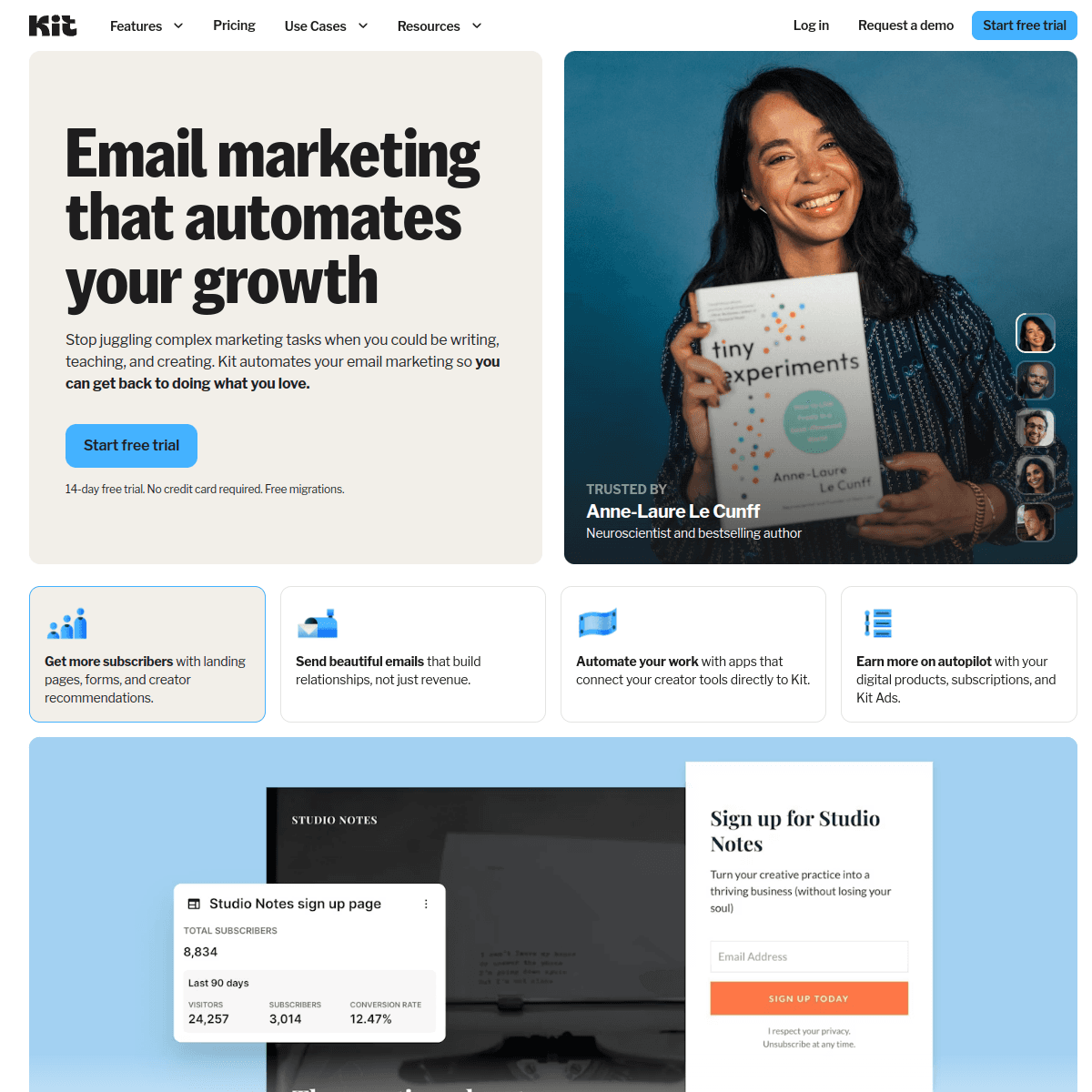
Buttondown, Kit, or Substack - focus on writing and building an audience
Pre-Revenue (Beta/Launch)
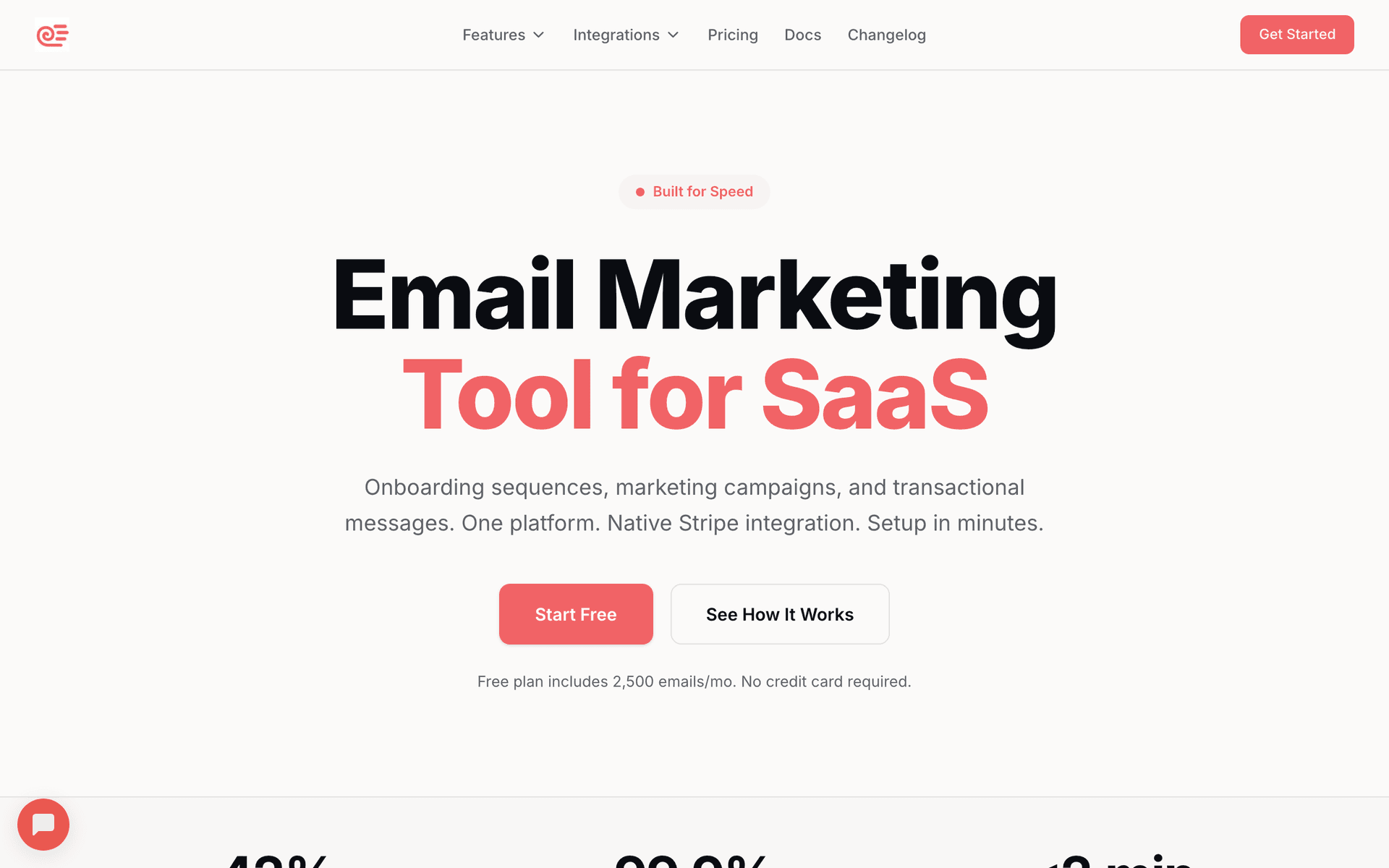
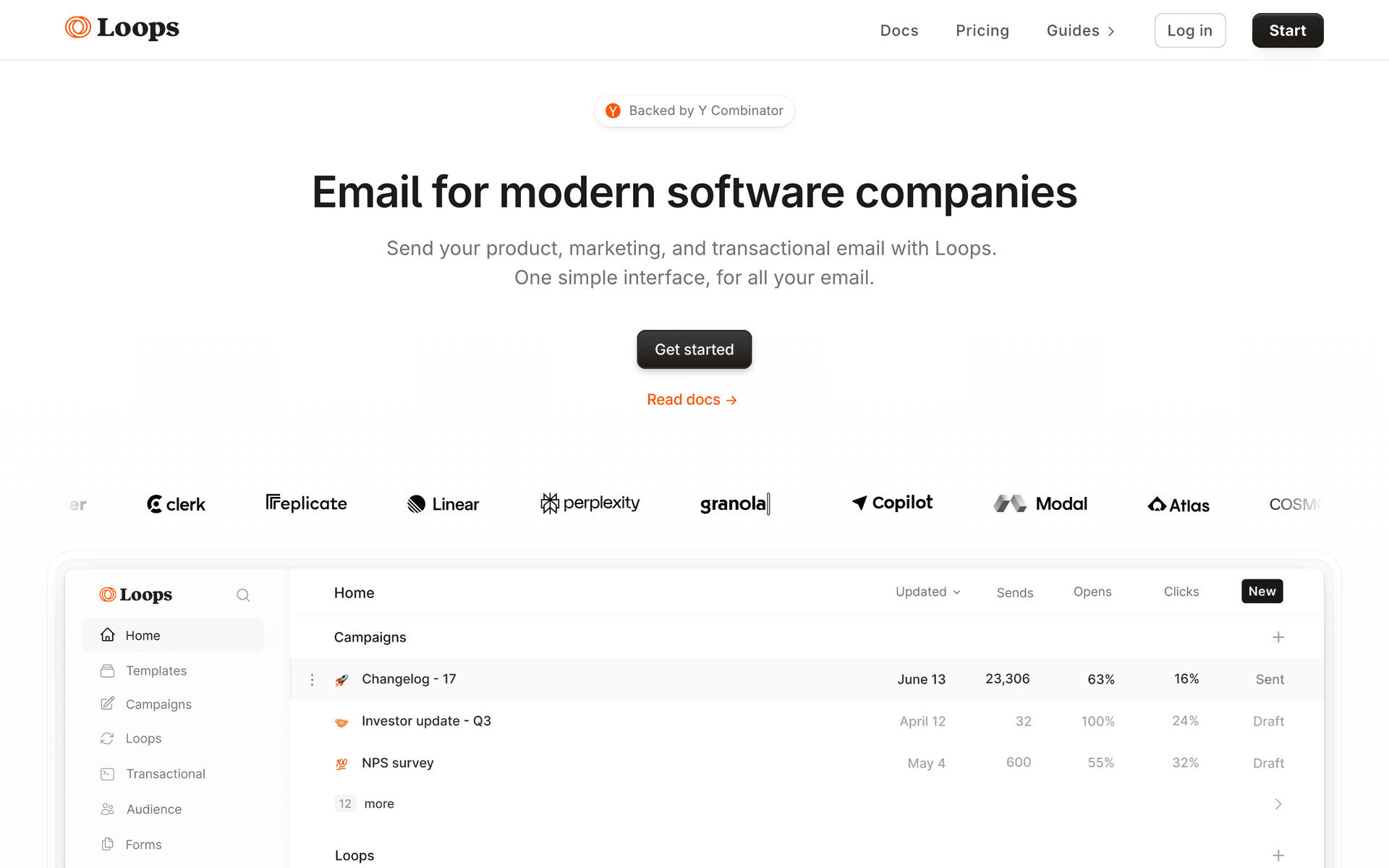
Sequenzy free tier or Loops free tier - set up onboarding and welcome automations
Early Revenue ($0-5K MRR)
Sequenzy paid plan - add dunning, payment integrations, and lifecycle automation
Growth ($5K+ MRR)
Sequenzy or Customer.io - sophisticated segmentation and multi-channel communication
The Personal Touch Strategy
Your emails should feel like they come from a real person, not a corporation. This means:
- Use your name, not your company name, as the sender
- Write in first person ("I built this because...")
- Reply to responses personally
- Share failures alongside successes
- Include your real email address and invite replies
This personal approach builds the kind of customer loyalty that sustains indie businesses through the inevitable ups and downs of solo founding.