Choosing the Right Platform for Your Startup Stage
The best email marketing tool depends on your stage, your technical resources, and your growth strategy. Do not over-invest early, and do not under-invest once you have product-market fit.
Pre-Revenue and Bootstrapped
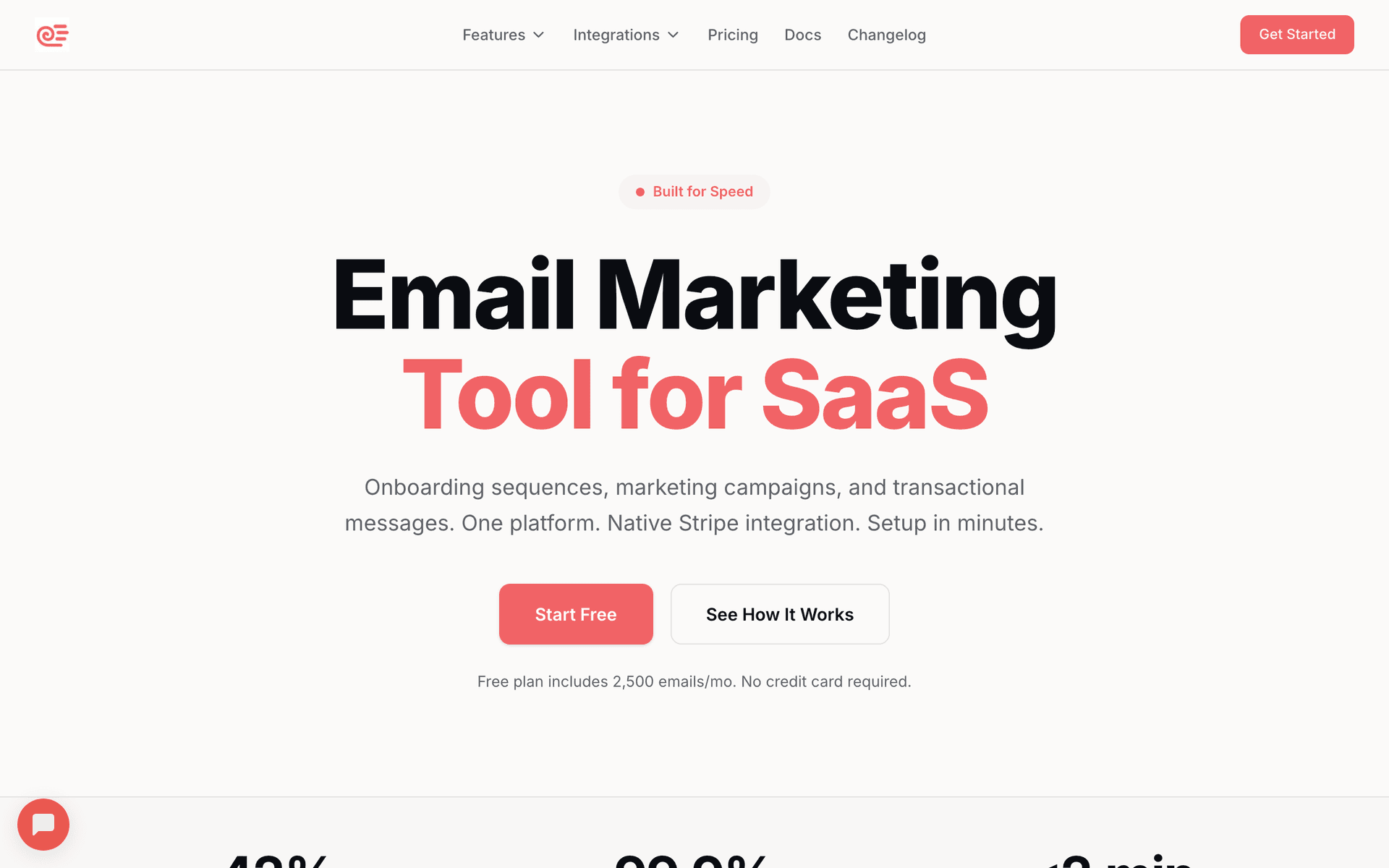
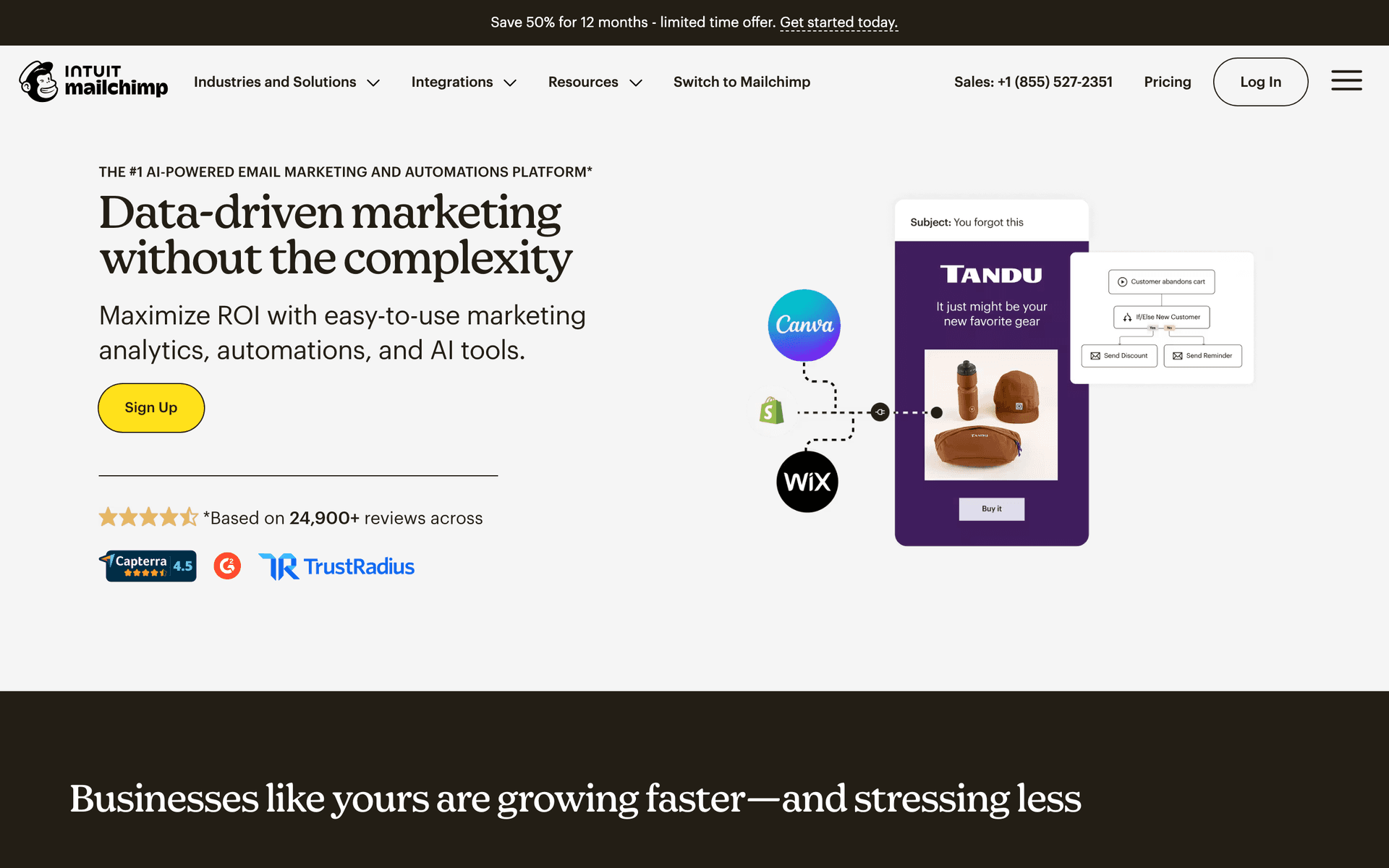
Start with free tiers. Kit offers 10,000 free subscribers, which is generous enough to last well past your first 1,000 users. Sequenzy gives 2,500 free emails per month with AI sequence generation included. MailerLite gives you 1,000 subscribers with most features. Mailchimp and AWeber have smaller free tiers but work for getting started. Switch to a paid tool when you need real automation or outgrow the free limits.
At this stage, your priority is validating that email drives product engagement. Set up a basic onboarding sequence, measure activation rates, and iterate. You do not need advanced tools yet.
Product-Led Growth Stage
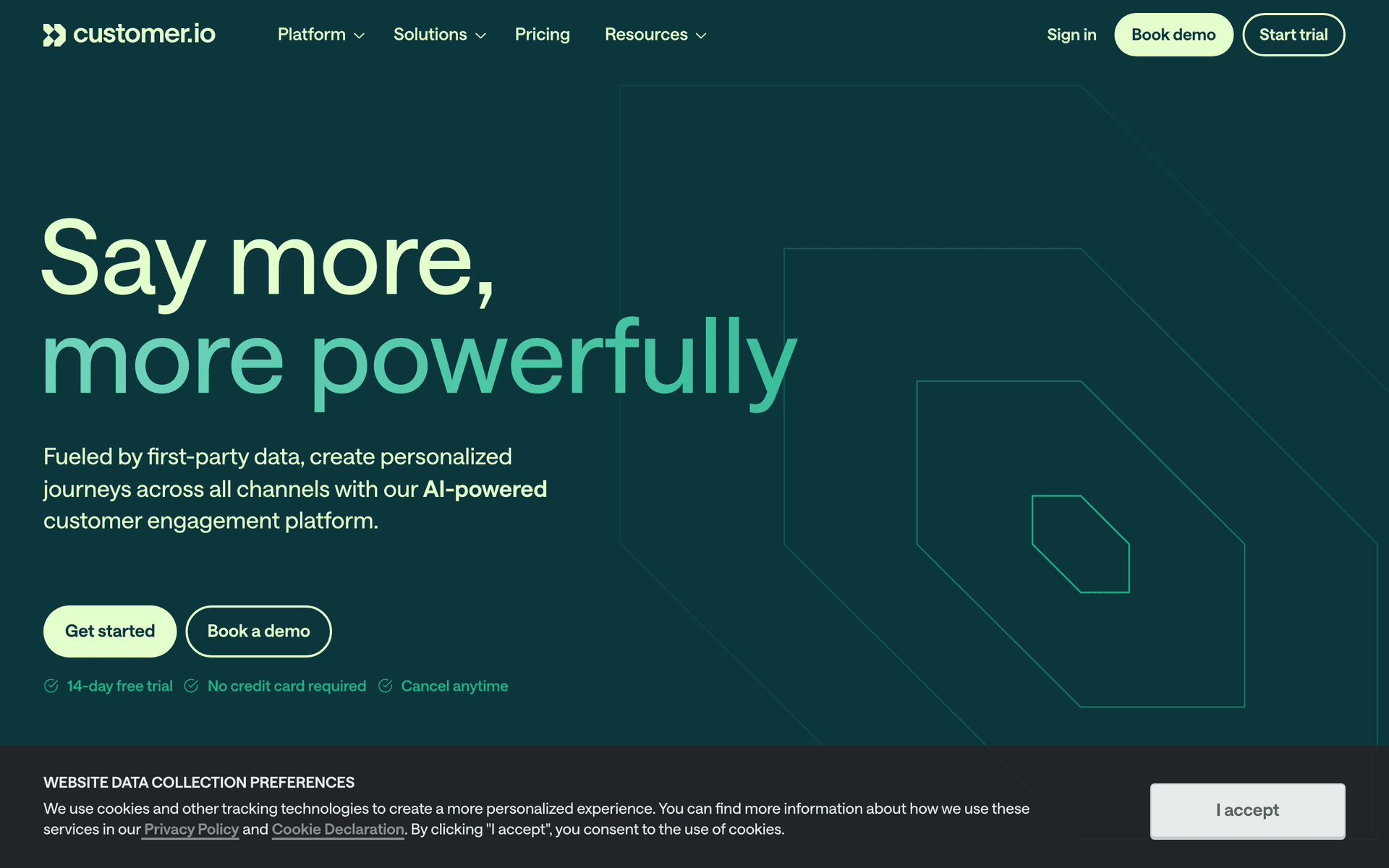
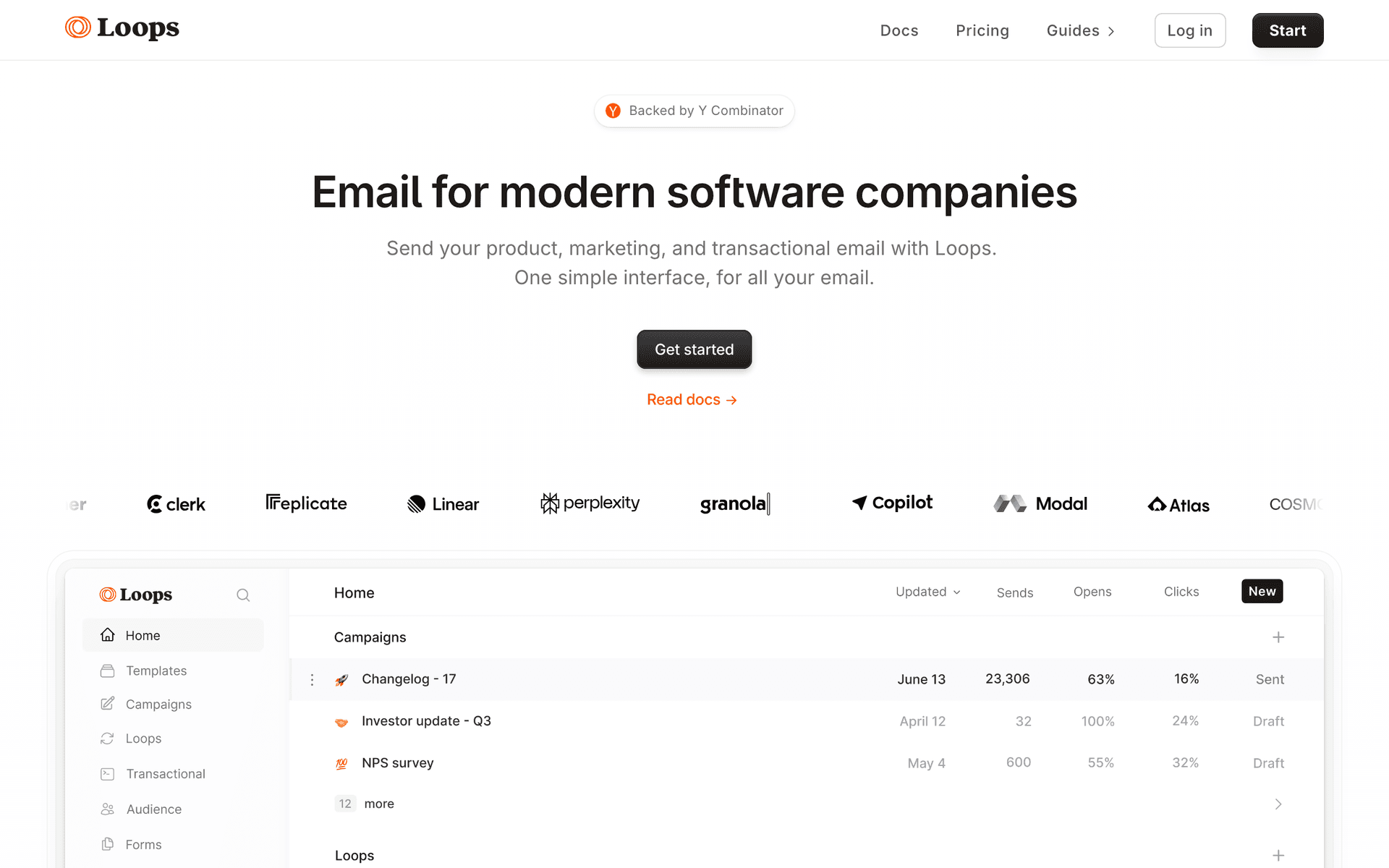
Once you have paying users, you need event-driven automation. Customer.io is the most powerful option but costs $100 per month minimum and requires developer time. Sequenzy offers AI-generated sequences with native Stripe integration at $29 per month. Loops is purpose-built for SaaS with a clean interface. Look for native Stripe or payment integration if you run a subscription model - automating dunning, upgrade, and cancellation emails based on payment events is critical.
At this stage, your priorities shift to trial conversion, churn prevention, and expansion revenue. Every automation you build compounds over time.
Content-Led and Community-Led Growth
If your growth strategy centers on content marketing, audience building, or community, Kit is hard to beat. The generous free tier, built-in landing pages, and creator-focused features support audience building from day one. Pair it with a transactional email service like Postmark or Resend for product-related emails.
The Startup Email Growth Stack
Three Automations That Drive the Most Impact
User onboarding is your highest-leverage sequence. Users who complete onboarding within the first week are significantly more likely to convert and retain. Guide them to their first success moment as fast as possible. A 4-5 email sequence over 5-7 days covers the critical window. Measure activation rate (percentage of users who complete a key action) as your north star metric for this sequence.
Trial conversion directly impacts revenue. A well-timed sequence that highlights value, addresses objections, and creates urgency before trial expiration can double your conversion rate. The key insight is that most trial users decide whether to convert in the first 3 days - your trial conversion sequence should front-load value demonstration, not wait until the last day to start selling.
Churn prevention protects revenue you have already earned. Automated re-engagement triggered by inactivity (no login for 7 days, usage drop, feature abandonment) catches users before they reach the cancellation page. A simple three-email sequence - friendly check-in, what you are missing, personal offer to help - recovers a meaningful percentage of at-risk users.
The Email-Product Feedback Loop
The best startup email strategies create a feedback loop between email and product. Here is how it works:
- Product events (signup, feature usage, payment) trigger email sequences
- Email sequences drive users back to the product (onboarding, feature discovery)
- Product usage data refines email targeting (segment by usage level, plan, engagement)
- Better targeting improves email performance, which drives more product engagement
This loop requires your email platform to connect to your product data. Sequenzy does this through Stripe integration and API events. Customer.io does it through a comprehensive event tracking system. Loops uses user properties and events. Whichever tool you choose, the connection between email and product data is what separates startup email marketing from generic newsletter sending.
Integration Recommendations for Startups
Essential Integrations
- Payment processor (Stripe): Trigger emails on subscription events - trial start, conversion, upgrade, downgrade, cancellation, failed payment
- Product analytics (Mixpanel, Amplitude, Segment): Sync user engagement data to your email platform for behavioral targeting
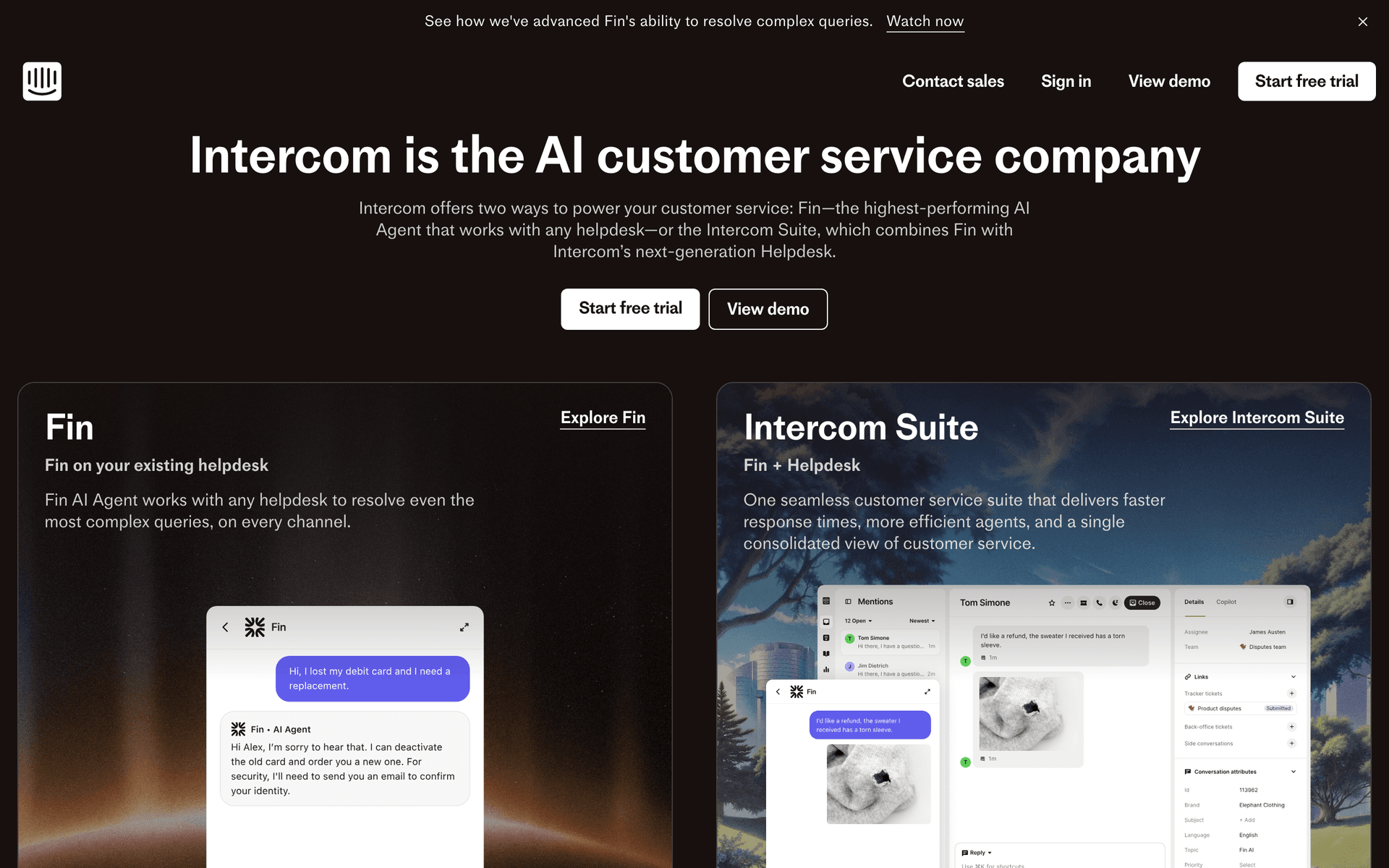
- Customer support (Intercom, Zendesk): Suppress marketing emails during active support conversations
- CRM (if B2B): Sync lead and deal data with your email platform
Common Startup Email Workflows
- Signup to activation: Welcome email, onboarding sequence, activation milestone celebration
- Trial to paid: Value demonstration, social proof, urgency, conversion CTA
- Paid to retained: Feature discovery, usage milestones, product updates, satisfaction checks
- At-risk to re-engaged: Inactivity detection, check-in, value reminder, personal outreach offer
- Churned to win-back: Feedback request, improvement updates, re-engagement offer
Getting Started
Start with these steps regardless of which platform you choose:
- Set up user onboarding first because it has the highest impact on activation and retention
- Add trial conversion emails if you offer a free trial, to maximize revenue from every signup
- Build churn prevention automation to catch disengaging users before they leave
- Create a product update cadence to keep active users informed and engaged
- Automate failed payment recovery with a 3-email dunning sequence as soon as you start charging
- Measure downstream metrics like activation, conversion, and retention - not just opens and clicks
The startups that win at email marketing are not the ones with the fanciest tools. They are the ones that set up the right automations early, connect email to product data, and iterate based on what the numbers actually tell them.