




Why people leave Mailgun
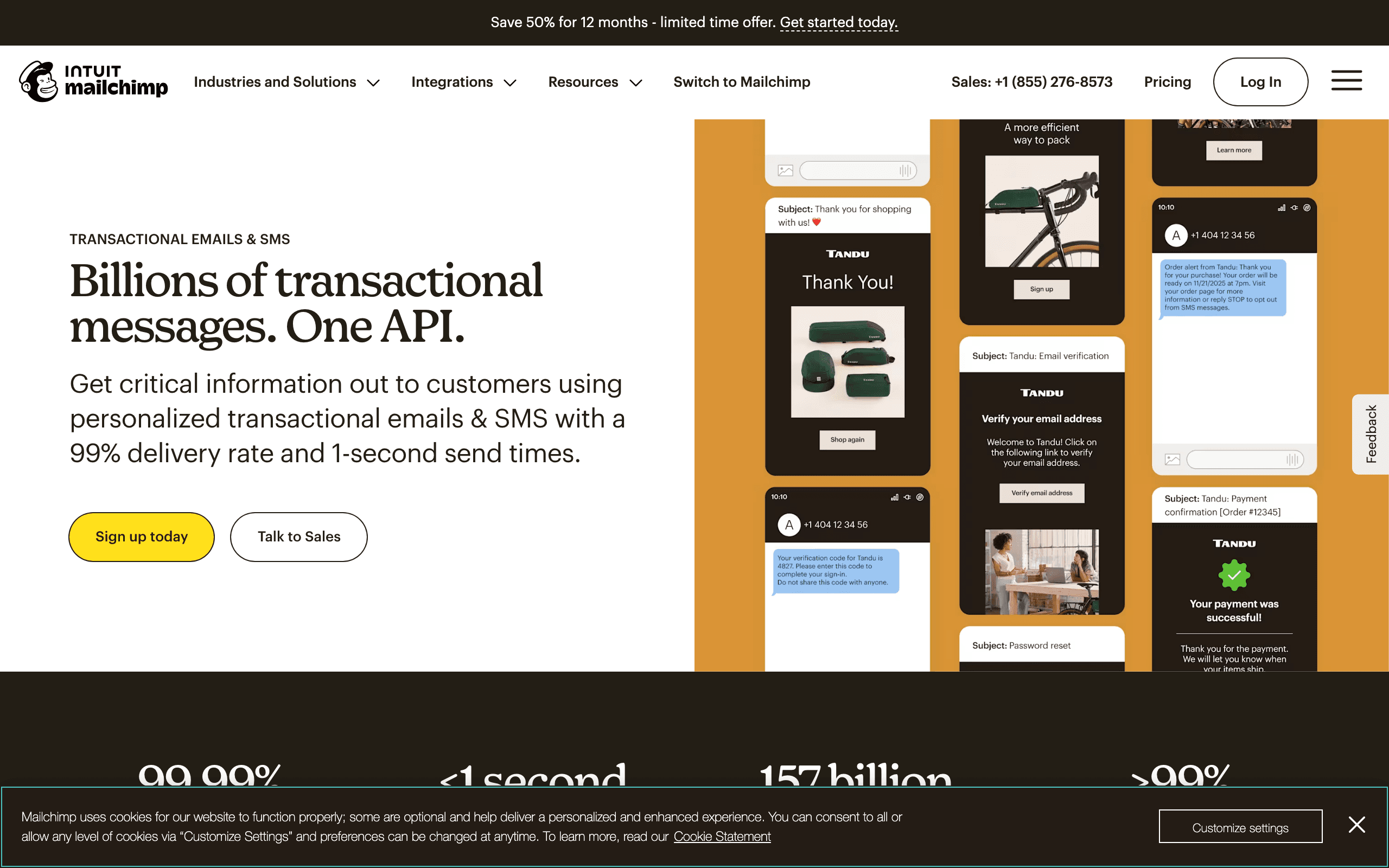
Mailgun has been a solid transactional email API for years. But recent changes have pushed many users to evaluate alternatives. To understand what modern email platforms offer, read our guide to best email marketing tools for SaaS. With over 1,400 reviews on Trustpilot, the feedback is polarized—some praise the reliability and scale, while others cite painfully slow support response times and frustrating account verification issues. The late 2025 price doubling on the Flex plan was the tipping point for many smaller teams who now pay twice as much for the same service.
The 2025 price increase
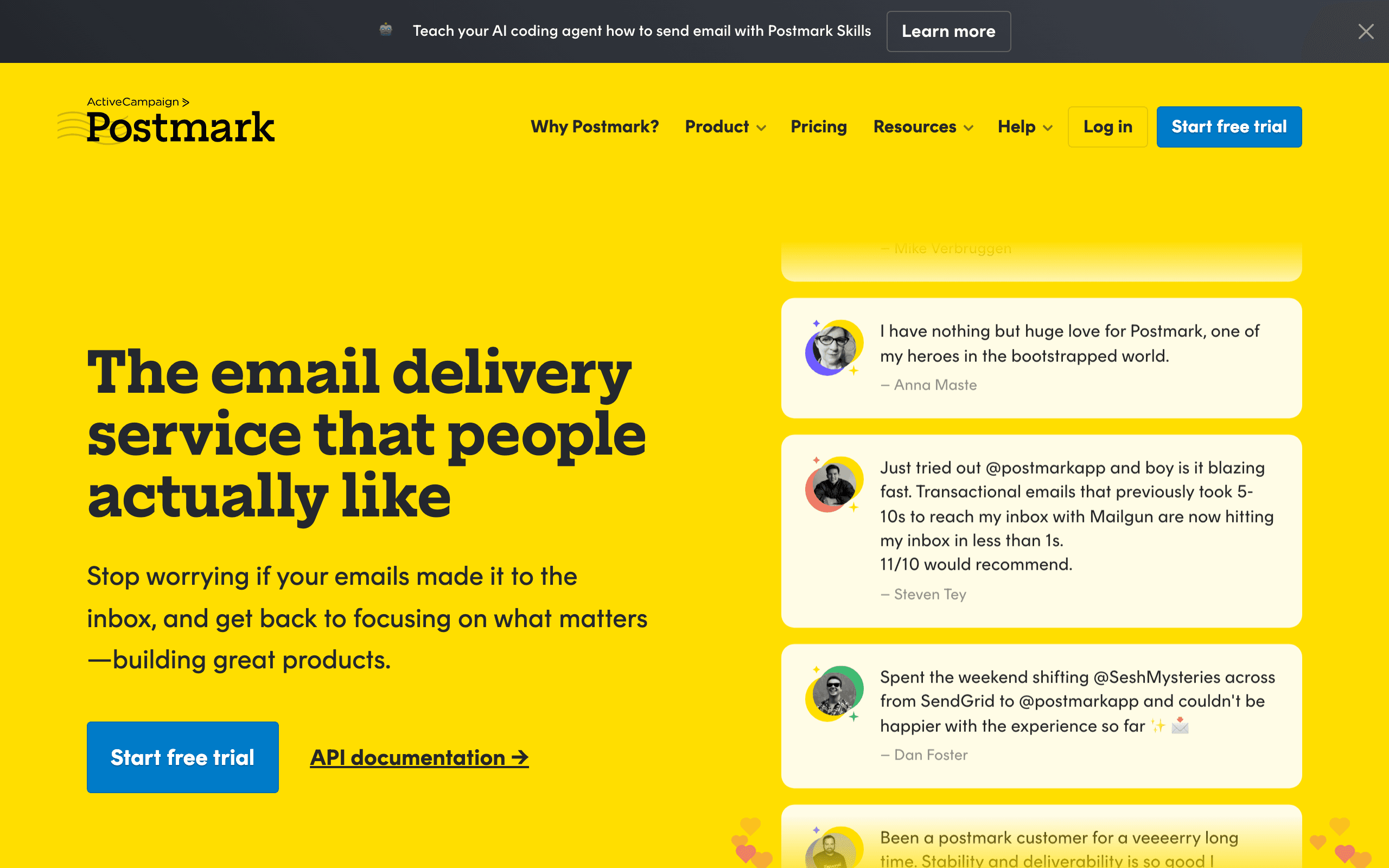
Mailgun doubled the Flex plan from $1 to $2 per 1,000 emails in late 2025. For small-volume users, this made alternatives like Postmark ($15/10k) or Resend ($20/50k) suddenly more attractive. The Foundation plan also starts at $35/mo now. Check our Mailgun comparison page for current pricing breakdown.
The Sinch question
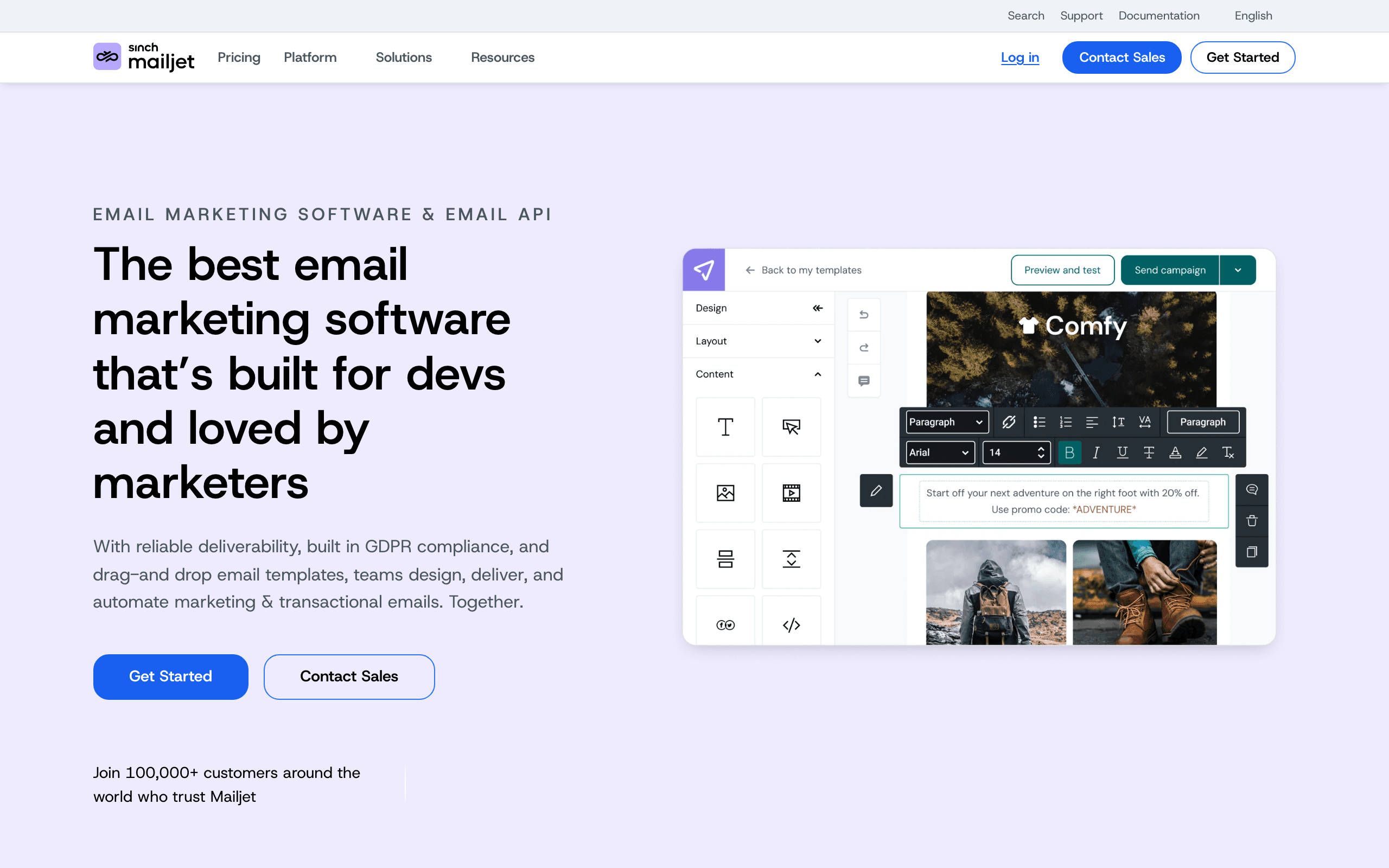
Sinch acquired Mailgun, and now owns both Mailgun and Mailjet. Some users worry about consolidation and future pricing. When one company owns multiple competitors, the incentive to compete on price disappears. If you're weighing your options, our email marketing platform comparison covers the full landscape.
Developer experience fell behind
When Resend launched with React Email and beautiful SDKs, it made Mailgun feel dated. The API works fine, but the developer experience isn't keeping pace with modern alternatives. If you're starting fresh, there are better options for transactional emails. See how modern platforms handle email editor design compared to Mailgun's template-less approach.
Transactional only
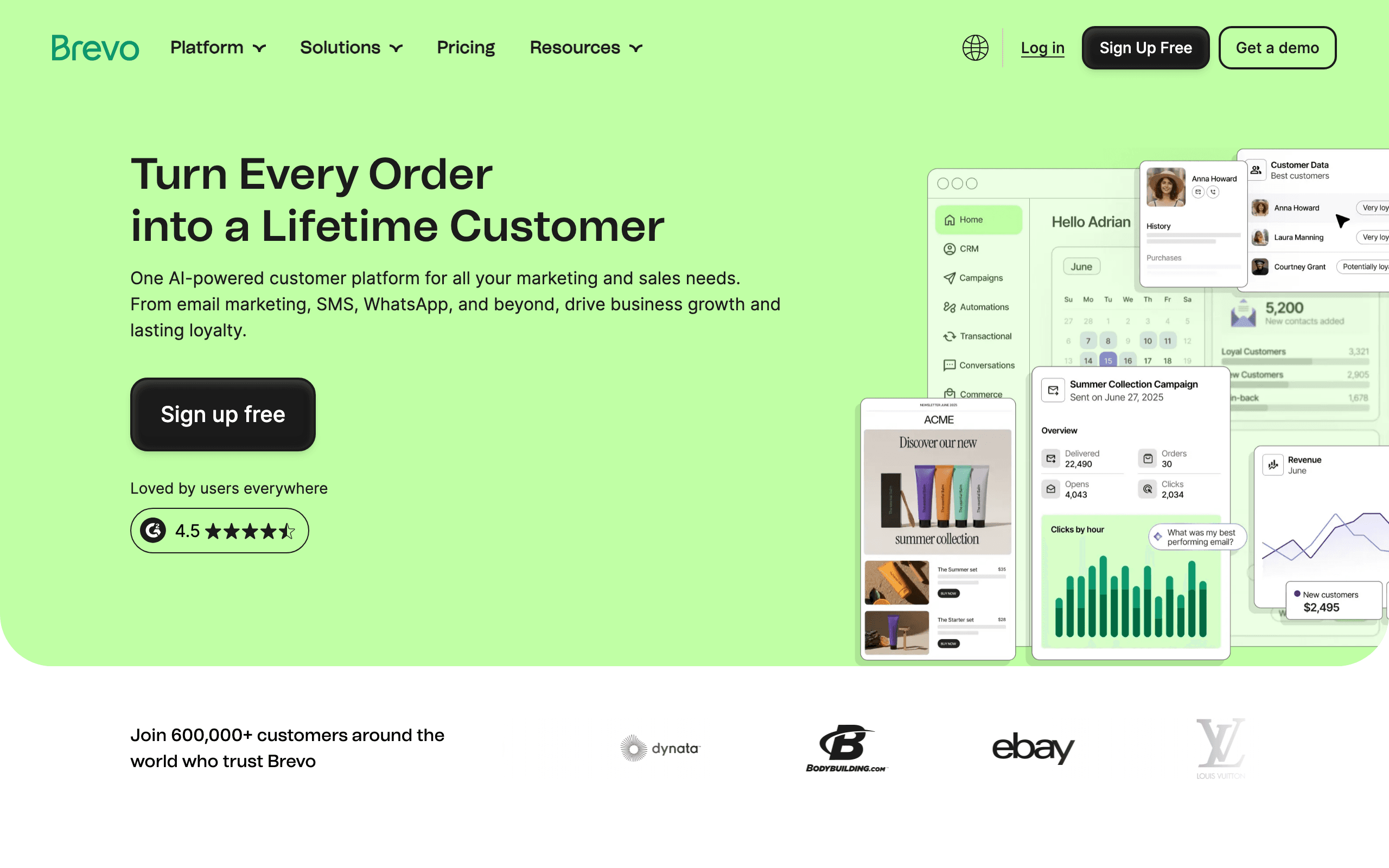
Mailgun doesn't do marketing. If you need campaigns, automation, or visual builders, you'll need a second tool. Platforms like Sequenzy or Brevo combine everything. For SaaS companies specifically, the combination of Stripe integration with marketing automation saves significant engineering time.
The alternatives, honestly
If you want modern DX: Resend
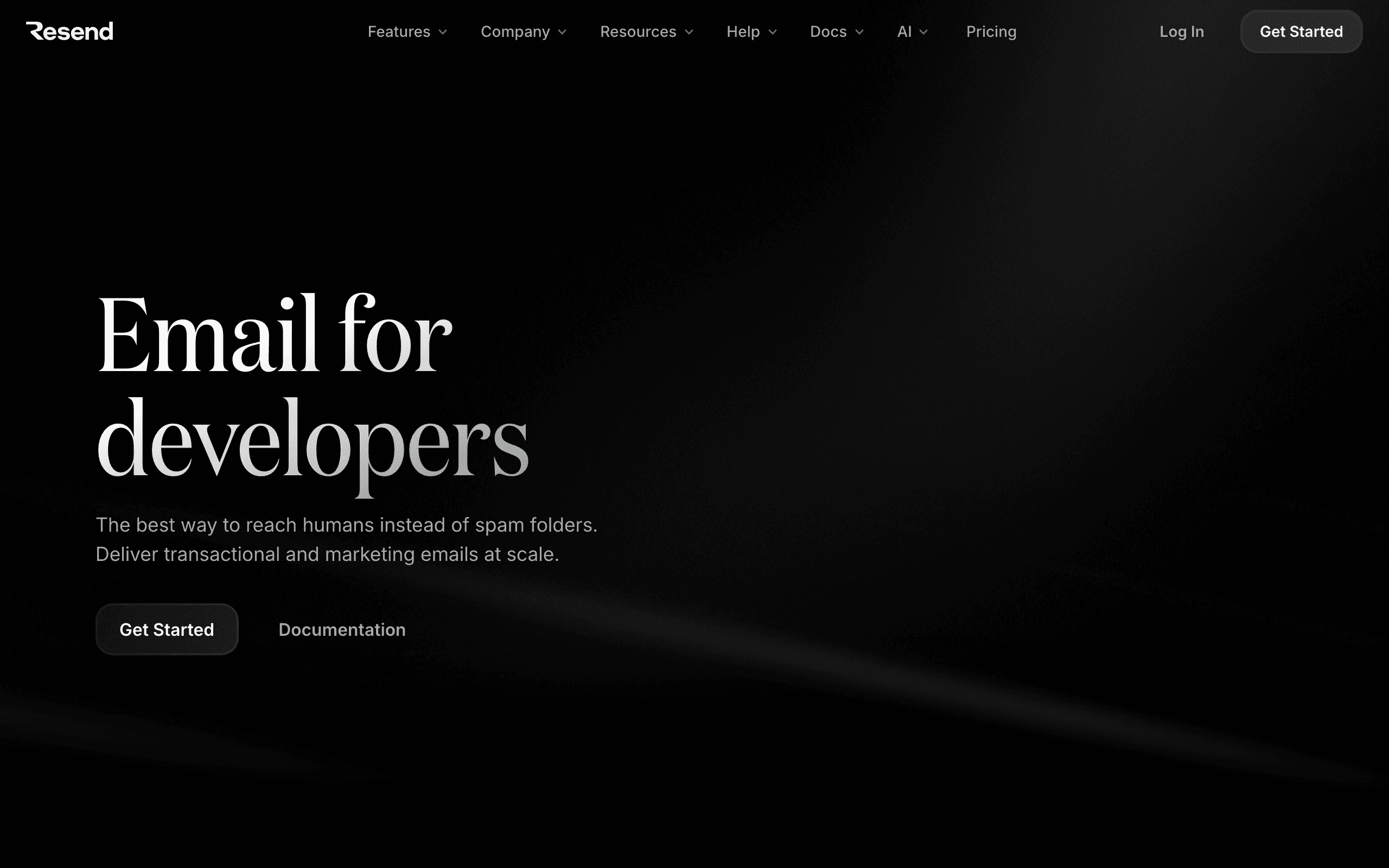
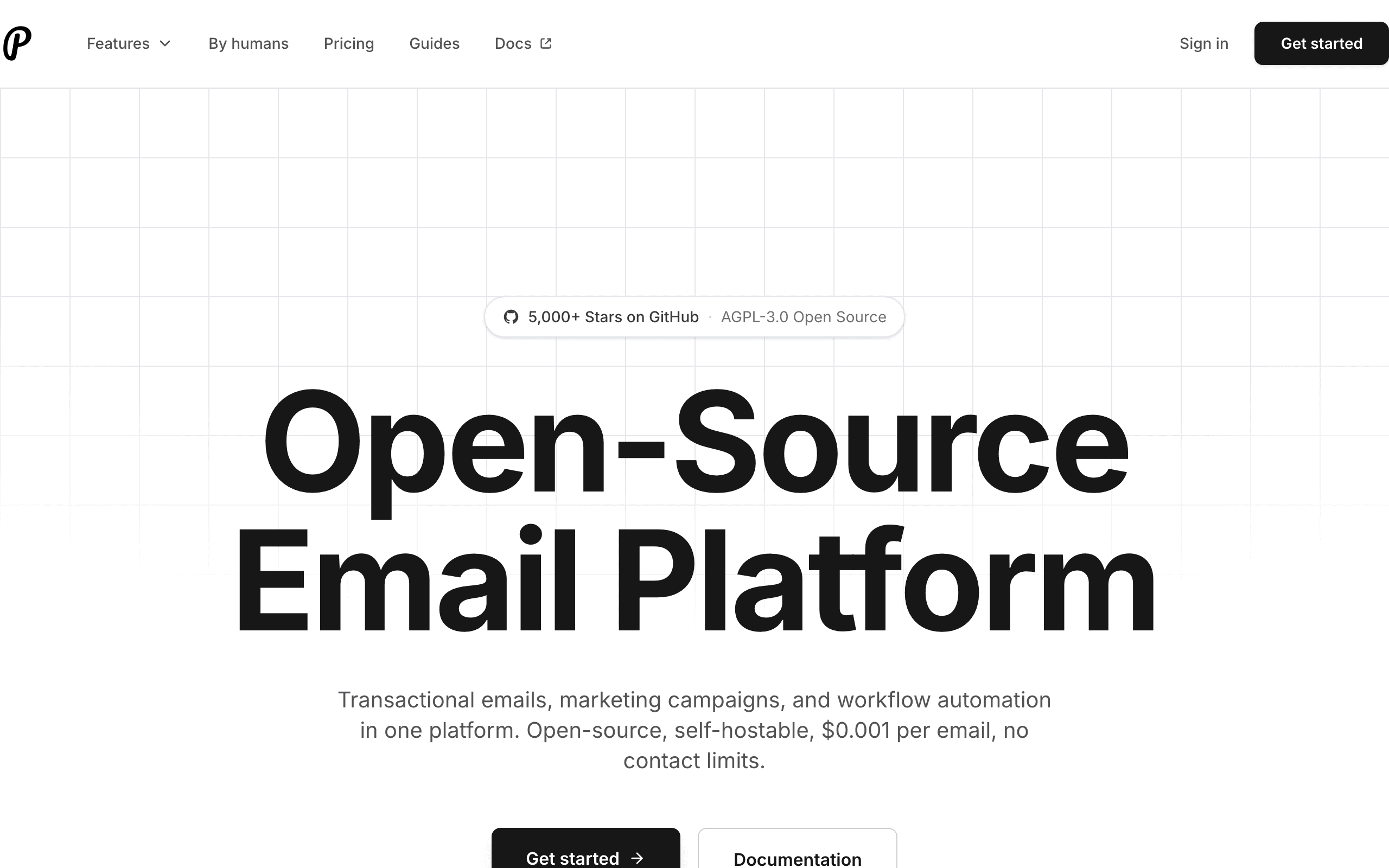
Resend is what Mailgun would be if built today. Beautiful API, React Email integration, modern SDKs for every language. The developer experience is unmatched. The catch: transactional only, no SMTP. But for modern apps, the API approach is usually better anyway. See our Resend comparison.
If you need marketing + transactional: Sequenzy
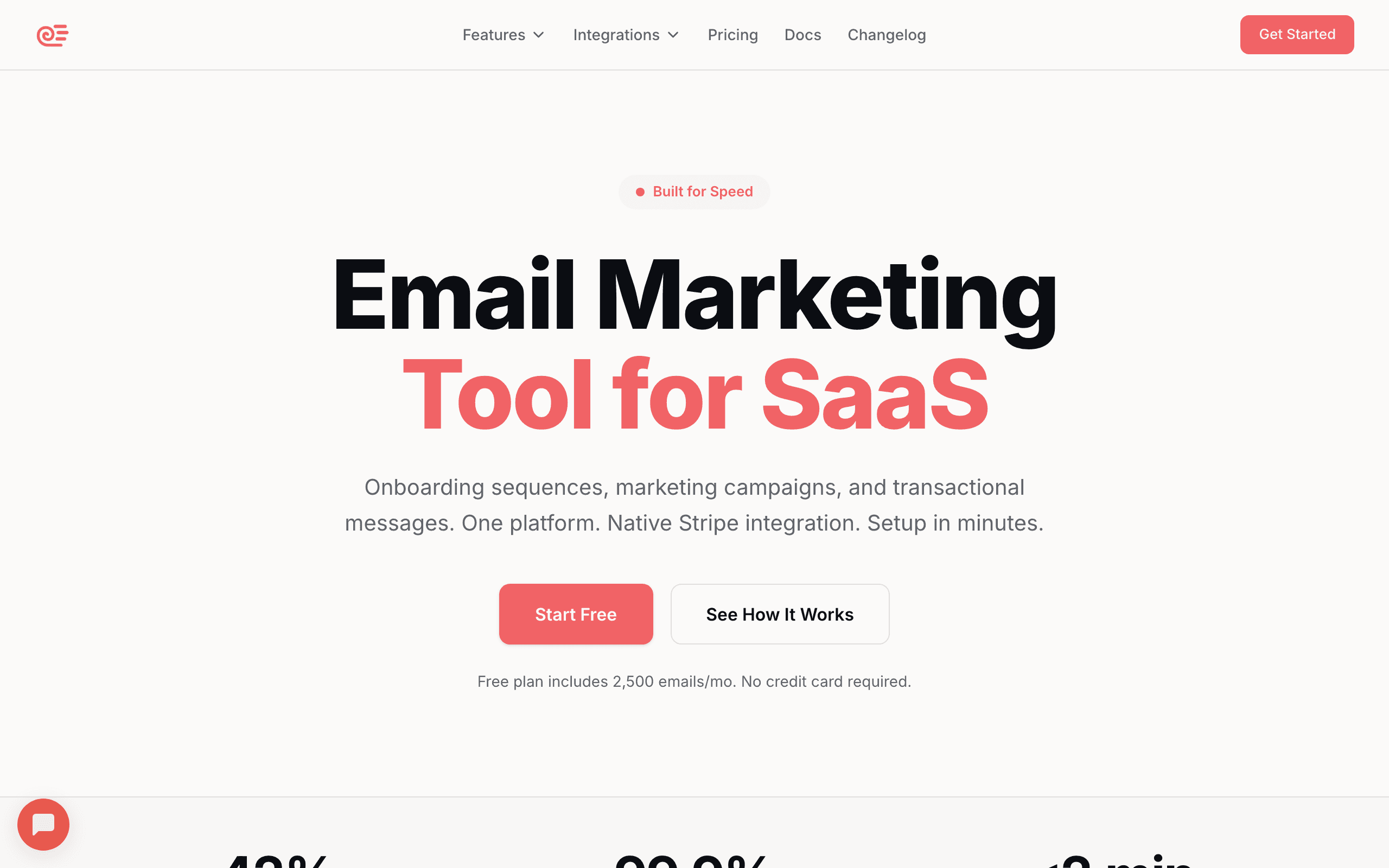
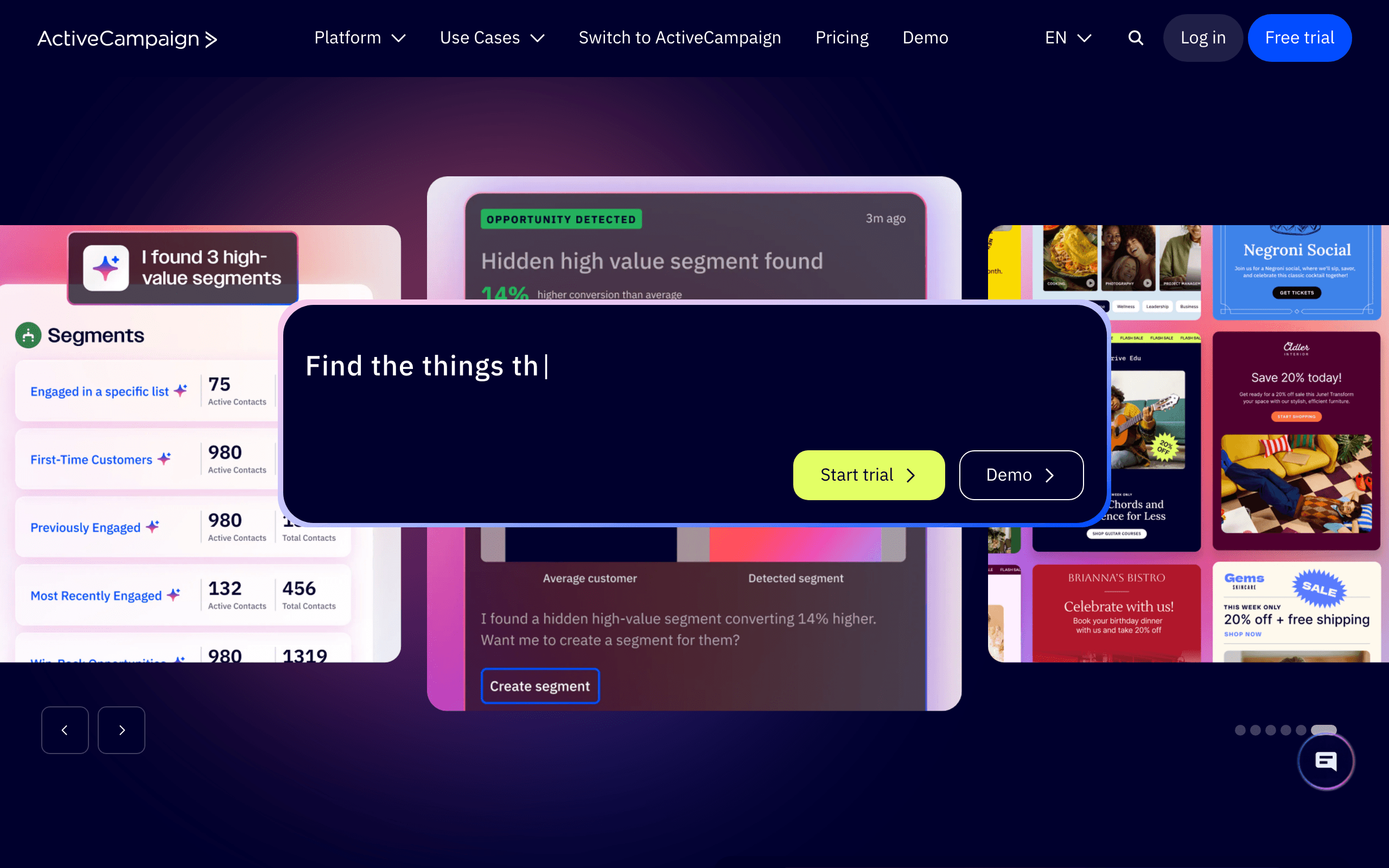
Sequenzy combines transactional and marketing with AI-powered sequences. Native Stripe integration syncs customer data automatically. It's $49/month for 120k emails (unlimited subscribers), including both marketing campaigns and transactional API.
No SMTP relay, but API-based integration is cleaner for most SaaS. The visual email editor means non-technical team members can build emails too. See our Mailgun comparison for details.
If you want high deliverability: Mailtrap
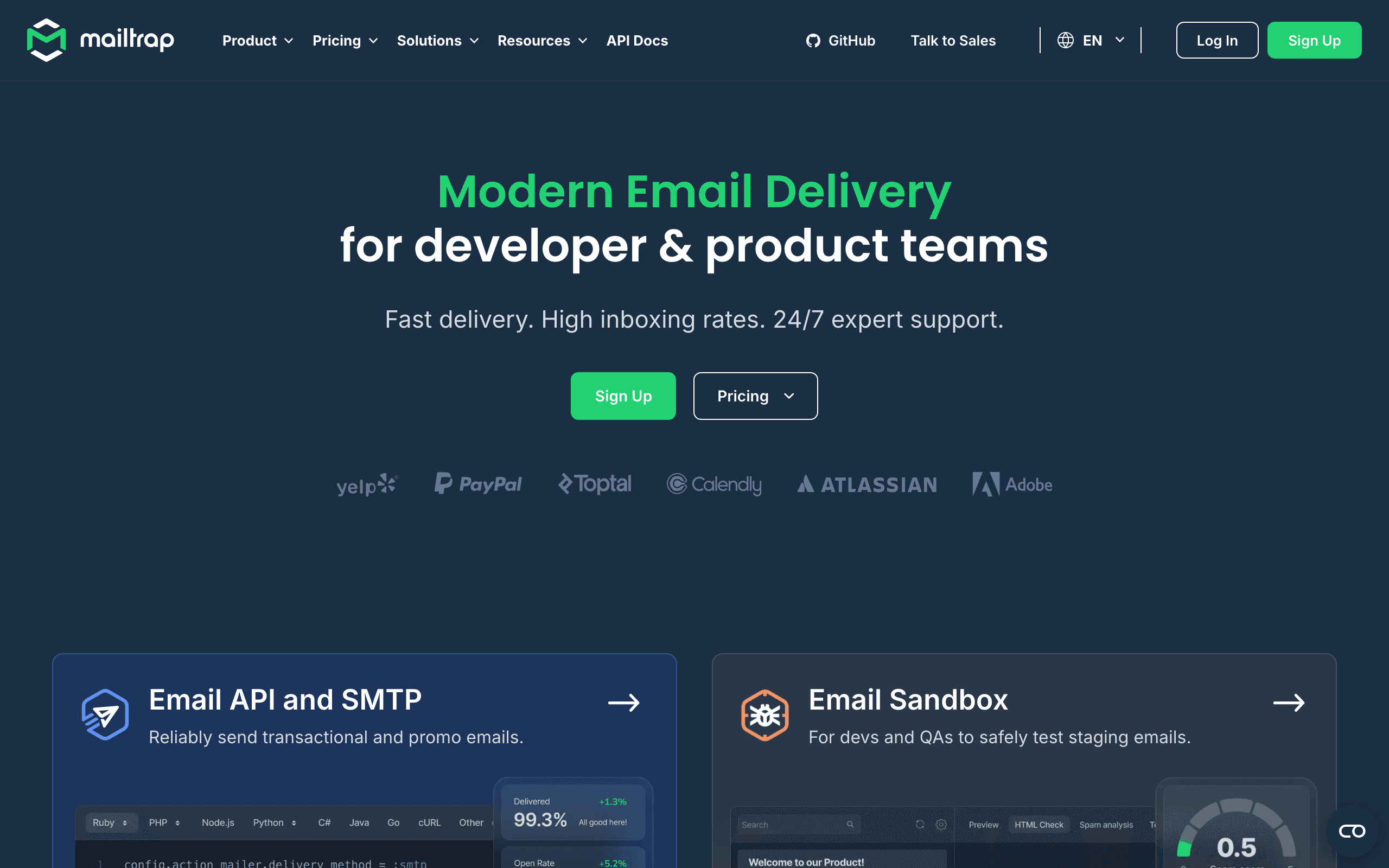
Mailtrap runs transactional and bulk emails on completely separate IP pools, so a campaign gone wrong won't drag down your password resets. It's a natural fit for teams switching from Mailgun: SMTP relay works as a drop-in replacement, 25+ code snippets get you sending fast, and you get per-mailbox-provider analytics that Mailgun doesn't offer.
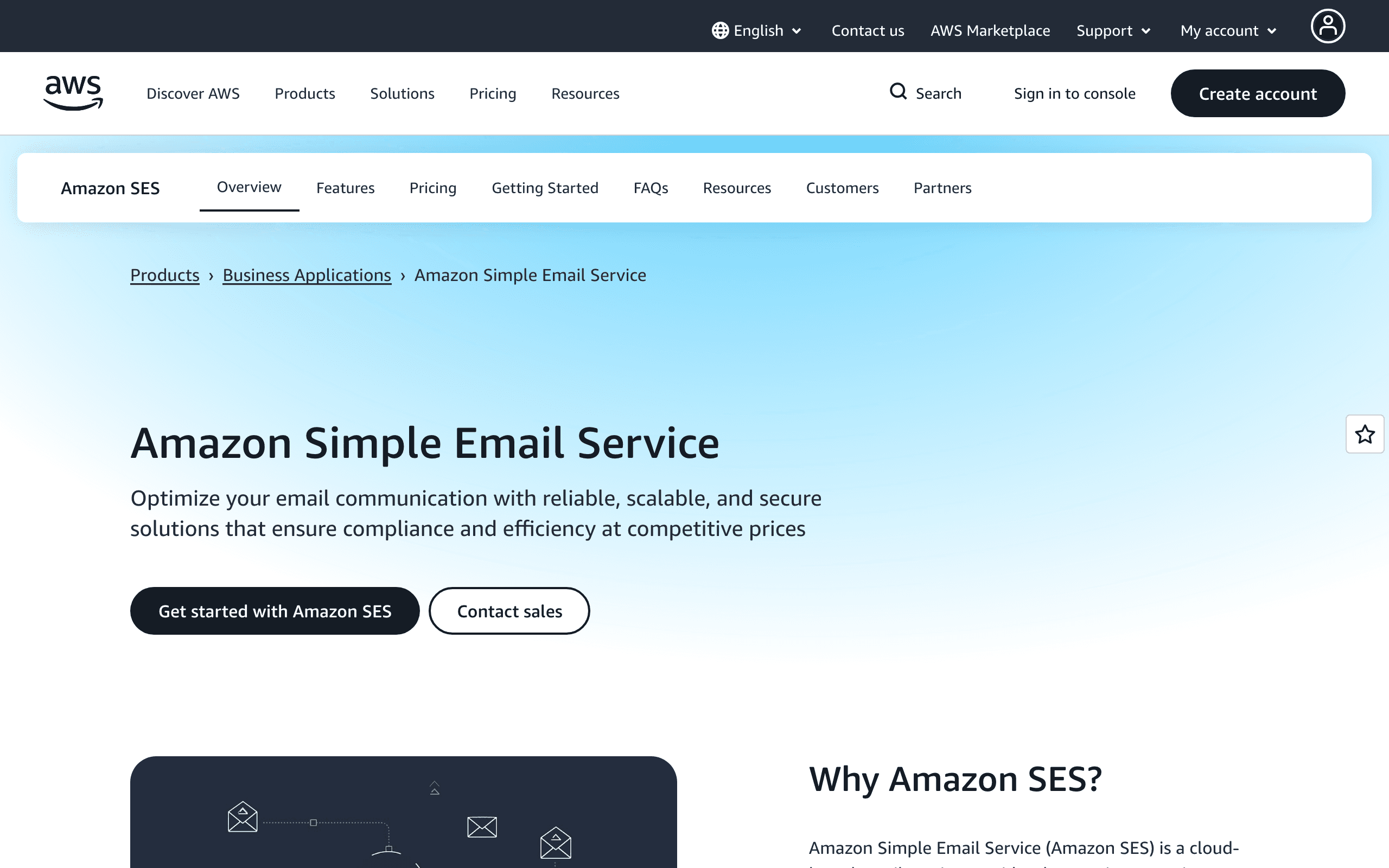
If cost is everything: Amazon SES
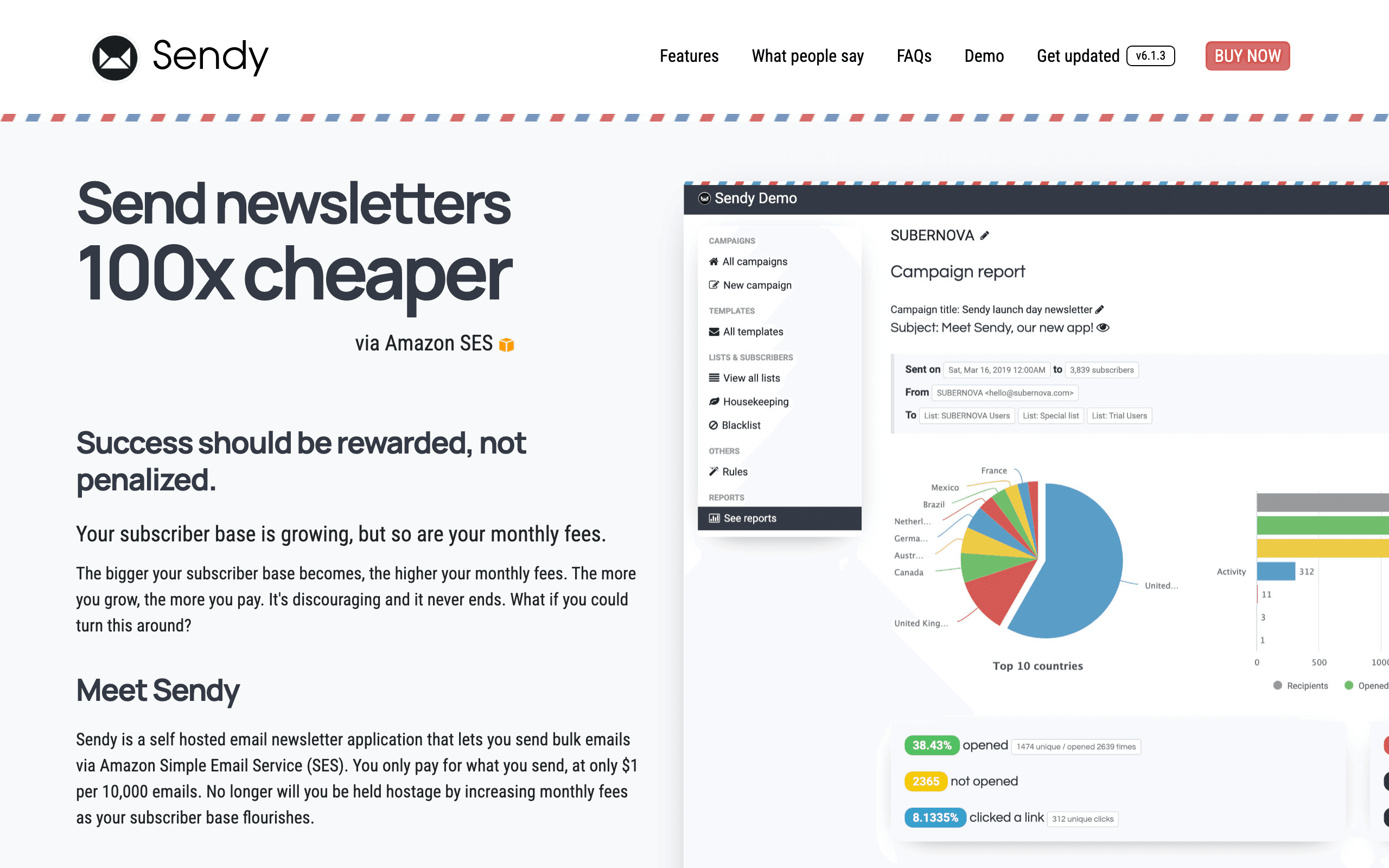
At $0.10 per 1,000 emails, nothing beats SES on raw cost. But you get zero help—no templates, no dashboard, no deliverability tools. Only choose this if you have engineering resources to build everything yourself. Check our Amazon SES comparison. Or consider Sendy as a self-hosted UI layer on top of SES.
If you want to stay in the family: SendGrid
SendGrid and Mailgun are now siblings under Sinch. SendGrid has marketing features Mailgun lacks. Similar API maturity, similar pricing. If you're leaving Mailgun but want something familiar, SendGrid is the obvious alternative. See our SendGrid comparison.
If you need SMTP relay specifically: SMTP2GO
For teams whose primary concern is reliable SMTP relay—the feature Mailgun is most known for—SMTP2GO is the most direct replacement. Swap credentials and you're done. Better support, simpler pricing, and none of the corporate acquisition drama.
If you want self-hosted control: Mailcoach
For teams who want provider independence, Mailcoach lets you use any email provider (including Mailgun) and switch freely. Built on Laravel, it's particularly appealing for PHP teams who want to own their email infrastructure.
The pricing comparison
At 50,000 emails/month:
Mailgun Scale: ~$100/month (after 2025 increase)
Mailtrap: $85/month (transactional + marketing, separate IP pools)
Resend: $20/month (transactional only, best DX)
Postmark: $50/month (best deliverability)
SendGrid Essentials: $19.95/month
Amazon SES: $5/month (DIY everything)
Sequenzy: $49/mo for 120k emails (marketing + transactional)
SMTP2GO: $25/month (SMTP relay focused)
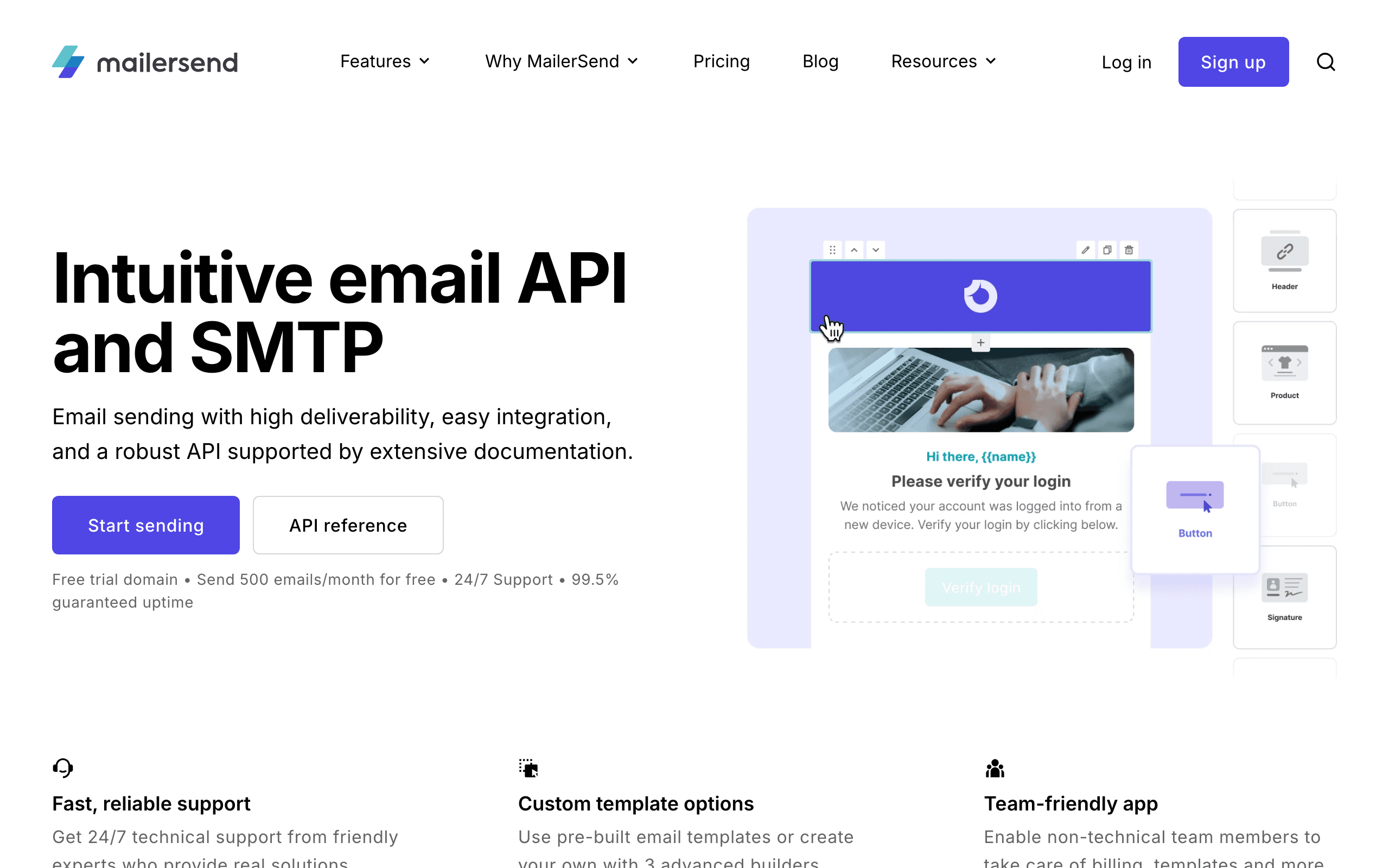
MailerSend: $25/month (clean transactional)
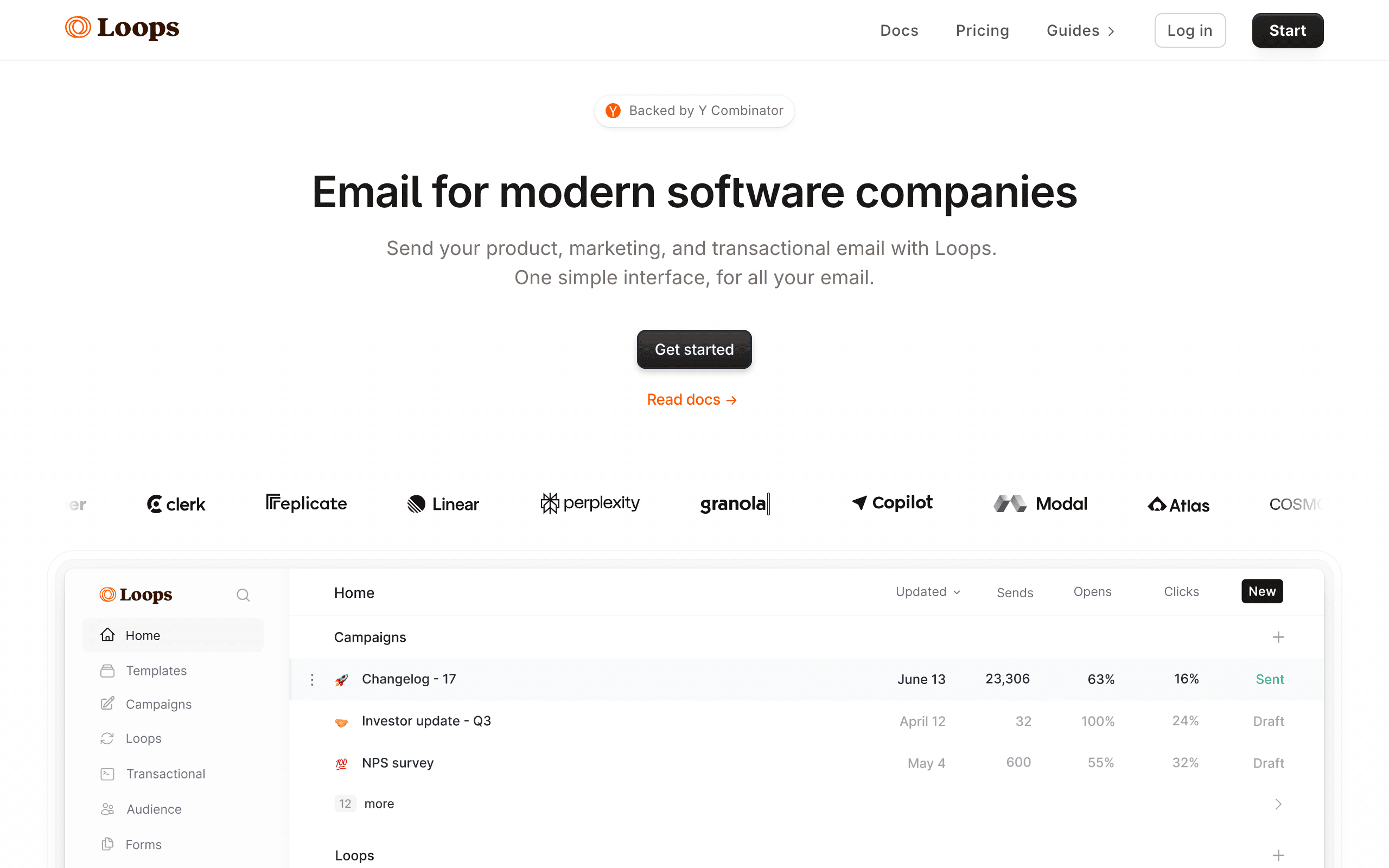
Note: Some prices are per email (Mailgun, Postmark) while others are per subscriber (Sequenzy, Loops). Compare based on your actual usage. See our pricing page and use our email warmup calculator if you're planning a migration.
When Mailgun is still the right choice
Mailgun wins if:
You've already built extensively around their API
You need SMTP relay for legacy systems
Inbound email parsing is critical for your app
You prefer pay-per-email pricing
Email validation API is important to you
Don't switch just because of the price increase. Migration has costs too. But if you're frustrated with the DX, need marketing features, or the new pricing doesn't work—the alternatives are genuinely better. Use our email warmup calculator to plan your transition and check your DMARC records before switching providers.